
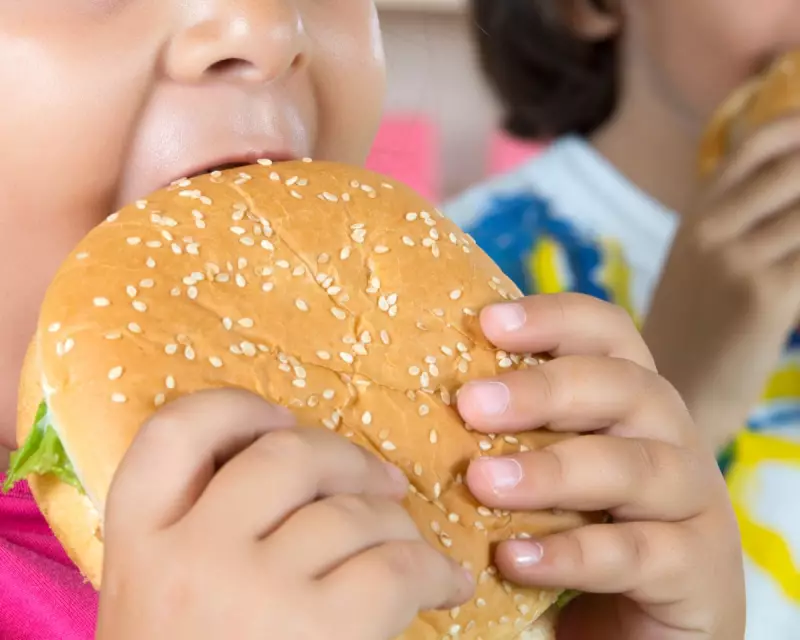
Parents across the globe are reporting a relentless struggle against the proliferation of junk food, with fast-food outlets and aggressive marketing creating a hostile environment for raising healthy children. A new investigation reveals the shared frustrations of families from Nepal to St Vincent, all fighting a food system that seems designed to undermine their efforts.
A Global Scourge Backed by Startling Data
The consumption of ultra-processed foods (UPFs) is a worldwide phenomenon. While they constitute over half the average diet in nations like the UK and US, these products are rapidly displacing fresh food on every continent. This month, the world's largest review on UPF health threats, published in the Lancet, issued a stark warning, stating these foods expose millions to long-term harm and demanding urgent action.
Earlier this year, Unicef revealed a historic tipping point: for the first time, more children globally are obese than underweight. The steepest rises are occurring in low- and middle-income countries, where junk food is overwhelming traditional diets. Experts like Professor Carlos Monteiro from the University of São Paulo argue that profit-driven corporations, not individual choice, are the primary drivers of this dangerous dietary shift.
Parental Battlegrounds: From School Gates to Supermarket Checkouts
For families, the fight is intensely personal and daily. In Nepal, Manita Pyakurel, who leads a healthy schools project, finds her expertise is no match for the environment. Her eight-year-old daughter is surrounded by bright packaging, school canteen juice, birthday chocolates, and a chip shop right outside the school gate. The 2022 Nepal Demographic and Health Survey found 69% of young children eat unhealthy foods, a statistic that mirrors Pyakurel's daily reality.
In St Vincent and the Grenadines, teacher Arlene Williams-Jack faces a dual crisis of climate change and nutrition. After Hurricane Beryl devastated local agriculture, fresh food became scarce and expensive. "Despite having a steady job I wince at food prices now," she says, forced to choose between food groups for her four children. School tuck shops offer little but UPFs, fuelling fears of rising type 2 diabetes and hypertension.
In Uganda, the allure of global brands is powerful. Patience Akumu from Kampala describes KFC as a symbol of sophistication, a reward for good grades and a birthday treat. Her daughter reports classmates packing fast food for school lunches, a norm Akumu battles with home-cooked, slow-boiled chicken and market vegetables.
The Overwhelming Tide of Marketing and Convenience
In India, Amoolya Rajappa describes a sense of helplessness. "Sometimes it feels like we have zero control over what we are putting on to our kid’s plate," she states. From indulgent grandparents to strategically placed sweets at supermarket checkouts, the pressure is constant. Even traditional snacks are now highly processed, and affordable healthy options are scarce.
The story is similar in Kenya, where Peter Muiruri's son was hooked after one taste of instant noodles from friends. Muiruri recounts finding smuggled packets in his shopping trolley, a small act of rebellion in a country where doctors link junk food directly to rising type 2 diabetes in young people. An eye doctor in Kenya reported that many young patients with eyesight issues are actually suffering from undiagnosed diabetes, with junk food at the centre of the decline.
The collective testimony from these five families paints a clear picture: parents are not failing. They are operating within a global food system that prioritises profit over health, making the simple act of feeding a child a daily battle against powerful commercial forces. The call for stronger policies, regulated marketing, and healthier school environments has never been more urgent.




