New York City Grapples with Cold Weather Fatalities Amid Extreme Conditions
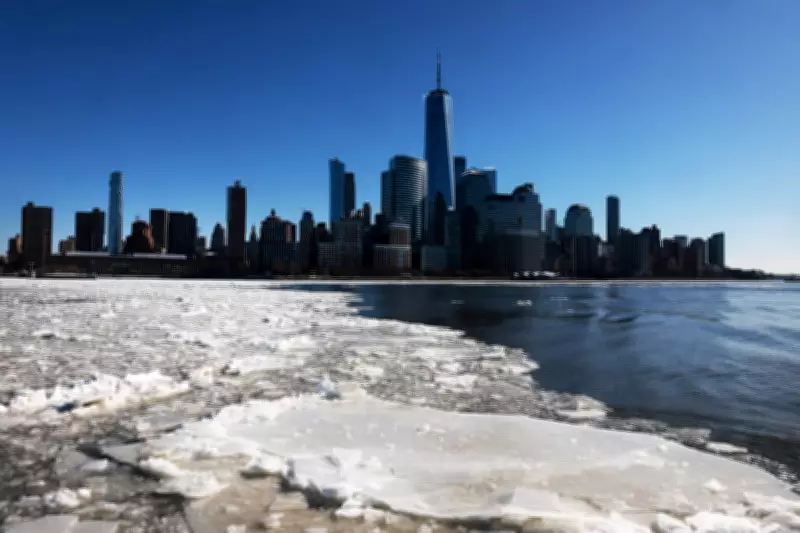
In a sobering development, New York City has reported a series of deaths attributed to the recent spell of bitterly cold weather, casting a harsh light on the challenges faced by urban populations during extreme winter conditions. The incidents, which occurred over the past week, have prompted urgent calls for enhanced public health measures and community support systems to protect the most vulnerable residents.
Understanding the Impact of Extreme Cold on Urban Dwellers
The fatalities, primarily involving homeless individuals and elderly citizens, highlight the disproportionate risks faced by marginalised groups when temperatures plummet. Experts point to a combination of factors, including inadequate shelter access, insufficient heating in some residential buildings, and limited outreach services, as contributing to this tragic outcome. This situation underscores the critical need for cities to develop robust cold weather action plans, particularly in the face of increasingly unpredictable climate patterns.
Local authorities have acknowledged the severity of the issue, with emergency services reporting a surge in cold-related incidents during the recent cold snap. The response has included the activation of additional warming centres and increased patrols by outreach teams, but critics argue that these measures may be insufficient without long-term strategies to address homelessness and housing insecurity.
Lessons for Urban Planning and Public Health Policy
This crisis serves as a stark reminder of the importance of integrating weather resilience into urban planning. Key considerations include:
- Ensuring reliable access to heated shelters for all residents, especially during extreme weather events
- Implementing early warning systems and public awareness campaigns about cold weather risks
- Strengthening social services to proactively identify and assist vulnerable individuals
- Investing in infrastructure upgrades to prevent heating failures in residential buildings
As New York City reflects on these tragic events, the broader implications for metropolitan areas worldwide become clear. Urban centres must prioritise the development of comprehensive cold weather preparedness frameworks that not only respond to immediate crises but also address underlying social and economic disparities. The recent deaths, while devastating, could catalyse much-needed reforms in public health policy and community support mechanisms, potentially saving lives in future winters.