
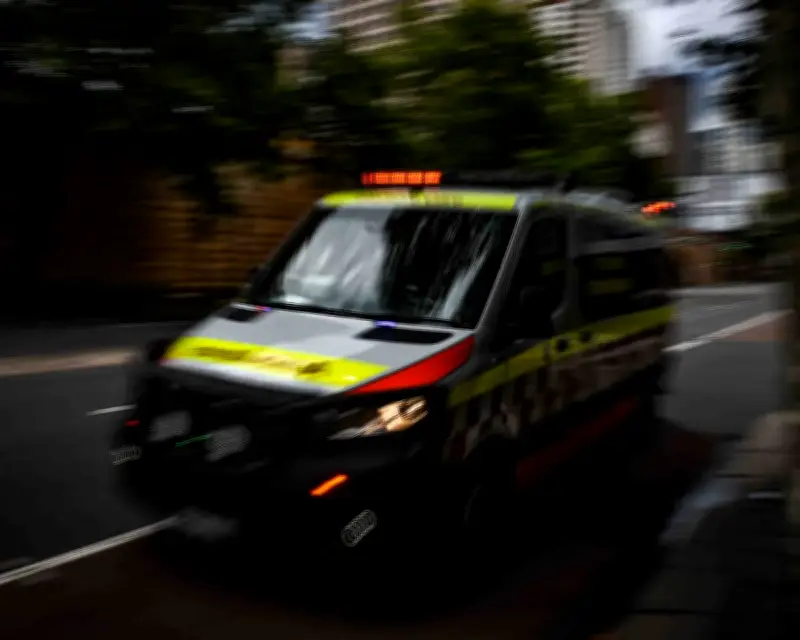
New South Wales will dispatch specialist nurses and paramedics instead of police to certain mental health emergencies, following sustained pressure after multiple fatalities involving police response. The reform, announced Thursday by Mental Health Minister Rose Jackson and Police Minister Yasmin Catley, includes a 24/7 mental health triage team for triple zero calls and a hub providing real-time clinical advice to NSW Ambulance first responders.
Funding and scope of the reform
The changes are backed by $270 million over ten years. Eight new mental health teams, each comprising a paramedic and a specialist mental health nurse, will provide health-led responses. However, these teams will operate only 12 hours a day and will not be statewide. Outside those hours, police or existing co-response models like Police Ambulance and Clinical Early Response (Pacer) will respond. Pacer has been criticized by advocates for not operating 24/7 or statewide.
Mental Health Minister Rose Jackson described the reform as “only the beginning,” noting it was shaped by the UK’s “right person, right care” model. “We’re committing $270m as a first step. But I recognise that mental health crises don’t happen within neat 12-hour windows,” she said.
Background of pressure for change
Police and government faced mounting calls for reform after deaths of individuals in mental health distress, including 42-year-old Jesse Deacon, who lived with schizophrenia and was fatally shot by police at his home in July 2023 after being reported self-harming. His mother, Judy Deacon, 82, became a prominent advocate for change, calling for mental health experts to triage triple zero calls. She welcomed the reform as an important first step that might have saved her son’s life. “I think the outcome might have been different. Me and other victims’ families will be closely watching and making sure it will end up making a difference,” she said.
Police role and training
Police will continue to lead response in situations posing a safety risk, such as when someone is armed with a knife. Grace Cameron-Lee, senior solicitor in the police accountability practice at Redfern Legal Centre, welcomed the change but stressed that NSW police training and operational changes prioritizing de-escalation “remains critical.” Police Minister Yasmin Catley noted that police are trained in mental health but “are not mental health clinicians, and that has to be recognised.”
Expert reactions and calls for further investment
Dr. Pramudie Gunaratne, chief executive of the Australian Society of Psychiatrists, welcomed the reform as “a stronger front door into the mental health system.” However, she cautioned that “a front door is only useful if there’s a house behind it” and urged more funding for community mental health support. “Without enough community mental health services, people will still find themselves stuck in the cycle of crisis, emergency response and discharge, instead of receiving the sustained care they need to recover,” she said.
Jackson has been under pressure to release analysis of the mental health system expected to outline resource gaps. She said she plans to release the report publicly but did not provide a timeline. “There are gaps in the system, particularly in community mental health care. And yes, this is about a different response for crisis and emergency … It’s obviously preferable if we can invest earlier so that we don’t get to that crisis point,” she said.




