
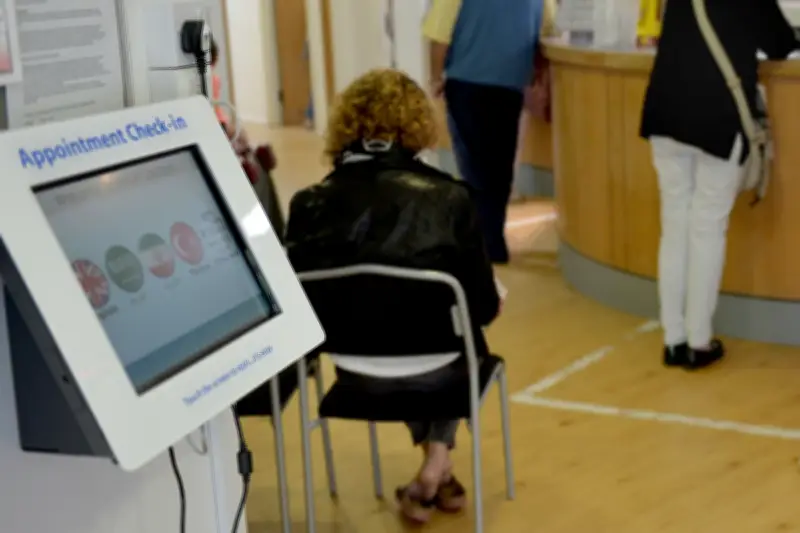
The West North London Integrated Care Board (ICB) has outlined plans to increase the use of AI in healthcare, with AI-based care expected to account for up to 30% of healthcare contacts by year five. The proposal, part of the board's response to the government's 10-Year Plan, has raised concerns among patient campaigners about the impact on patient care, privacy, and data security.
ICB's Digital-First Strategy
Brenda Allan, a patient campaigner, highlighted that the ICB, formed from a merger of north and northwest ICBs in April this year, is responsible for the healthcare of about 4.5 million people across 13 councils in north and west London. Its budget is £12 billion, mostly spent on hospitals and crisis services.
According to Allan, the ICB's remit includes focusing on prevention and early intervention, neighbourhood working, tackling health inequality, cutting operational budget costs by 50%, and focusing on IT, AI, and Digital First patient pathways. However, she noted that funding for these initiatives appears to come from within existing budgets, which have already been reduced with staff cuts and hospital budget cuts.
Concerns Over Staffing and Waiting Lists
Allan argued that these budget constraints could limit the ICB's ability to reduce already long waiting lists, leaving more patients dependent for longer on their GPs. She acknowledged that neighbourhoods are core to the delivery plans, aiming to increase collaboration between GPs, social care, mental health, and district nursing.
However, she expressed concern that this collaboration has been steadily eroded by serious reductions in district nurses, mental health services, social services, and GP numbers. According to Allan, staff struggle to work together when overloaded, and the shift from analogue to digital is expected to take up the slack.
AI in Healthcare: Risks and Benefits
While Allan acknowledged that technology can dramatically help improve many aspects of healthcare and administration, she emphasized that healthcare is an art and a science, dependent on sustained, trusting relationships and time. She noted that continuity of care has been proven to reduce deaths, illness, hospitalisation, A&E attendance, and encourage patients to follow advice.
Allan cautioned against what she described as the seductive nature of AI, stating that governments believe the hype and spend NHS funds on loss leader offers of imported technology with often poor functionality, loss of control and regulation, data security risks, and rigid contract lock-ins. She suggested that instead, the NHS should invest in British expertise and homegrown technology, noting that many trusts have already ditched US Tech referral and waiting list tools citing better UK alternatives.
Patients' Priorities
Allan highlighted that patients want more good doctors and nurses, care continuity, help preventing illness, and good care when ill. They also want to know that their records are shared only with their medical teams and bona fide researchers.
Brenda Allan is a patient campaigner. The ICB's plans for AI-based care are part of the broader government strategy, but the concerns raised by patient advocates like Allan suggest that the implementation of these technologies will require careful consideration of patient needs and data security.