
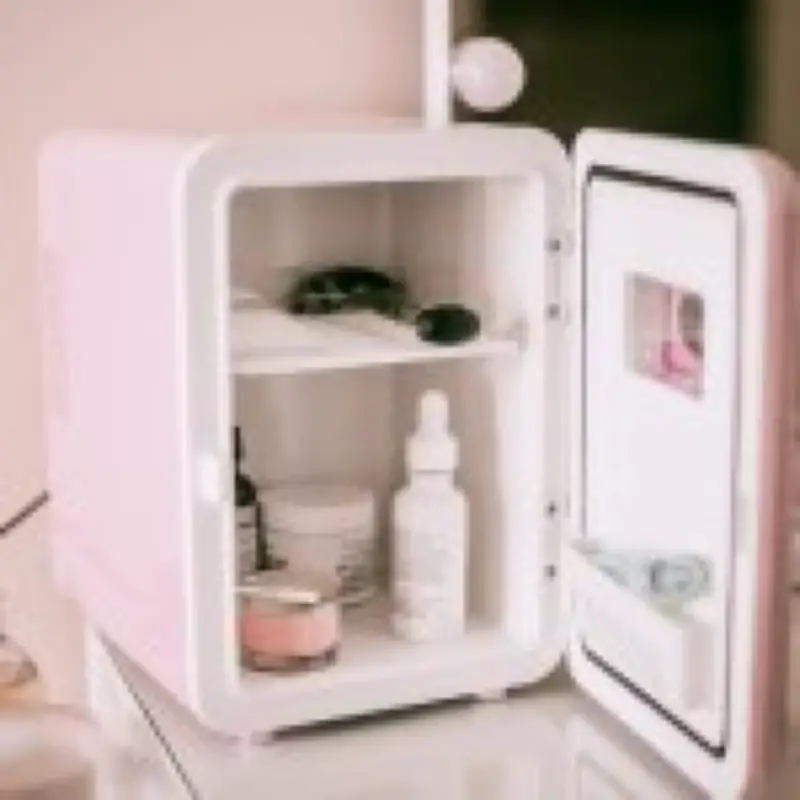
Mini fridges are officially back — but not for the chocolate bars and Fanta that defined them in the mid-2000s. Today, the trend is being driven by something far more clinical: weight-loss injections.
According to a 2026 study from University College London, 1.6 million Brits have used GLP-1 injections over the past year, with more people paying privately than receiving them on the NHS. Because these medications require cold storage, mini fridges have become an essential accessory for thousands of patients across the country.
Why Mini Fridges Are Making a Comeback
Between 2005 and 2008, a mini fridge was the ultimate teenage bedroom status symbol. Pink was particularly coveted, and a well-stocked fridge meant instant cool points at sleepovers. Now, the appliance is experiencing a renaissance — but its contents have changed dramatically.
Instead of snacks and fizzy drinks, these fridges are overwhelmingly being used to store injectable weight-loss medications. The Wegovy pill may have just been approved, but injection remains popular, and the medicine's temperature sensitivity makes a dedicated fridge a practical necessity.
The Scale of GLP-1 Use in the UK
The University College London study found that over the last year, 1.6 million Brits have turned to GLP-1 injections. It also highlighted a shift towards private prescriptions, with more people paying out of pocket rather than using NHS services.
With the UK's recent spate of hot weather, keeping these injections within the recommended temperature range has become even more important. The NHS prescribes the drugs with clear storage instructions, and patients are increasingly turning to mini fridges to comply.
Demand Soars for Cooling Appliance Retailers
Statistics published in The Guardian show just how sharp the surge in demand has been. Sub-Zero & Wolf, a luxury cooling appliance company based in Essex, has seen demand for mini fridges increase tenfold since 2024.
According to the company's marketing manager, clients typically invest in the fridges to store face creams, gut health shots and injectables. At Sub-Zero & Wolf, prices start at £5,000 — but there are far cheaper alternatives available. Mini fridges are currently on sale at Wilko for £47, Debenhams for £59, and Currys for £79.
Social Media Is Driving the Trend
TikTok has become a hub for mini fridge content, with users showing off fridges stocked with GLP-1 injections and beauty products. One poster, Diana (@luxfashionmakeupvsg), shared a fridge she purposefully bought for her medication, captioning it “My GLP-1 mini fridge” and tagging it with #glp1community.
Meanwhile, a separate trend is emerging among millennial mothers who are keeping mini fridges for their daughters — but with far more wholesome contents. Julianna Claire films herself restocking her daughter's pink fridge with Babybels inside colourful pink cubes, mini pizzas, and peanut butter and jam sandwiches. Another mother replenishes hers with strawberries chopped into heart shapes, sweets, and mini cucumbers.
What the Experts Say About Medicinal Storage
Dr Suzanne Wylie, GP and medical adviser for IQDoctor, explains why proper storage is critical. She tells Metro: “Before first use, these medications should be kept in a refrigerator at between 2°C and 8°C. Exposure to temperatures outside this range, particularly excessive heat or freezing, can affect the active ingredient and reduce how well the medication works.”
Dr Wylie adds: “Once a pen is in use, the storage advice varies slightly depending on the product, so patients should always follow the manufacturer's guidance as well as any advice from their pharmacist or prescribing clinician.”
Not Every Mini Fridge Is Suitable
Dr Wylie also warns that not all mini fridges are appropriate for medication storage. She says: “Some cosmetic fridges or inexpensive portable units have fluctuating temperatures or may not reliably stay within the recommended range, which could compromise the medication.”
She advises monitoring the temperature carefully and never storing medication in the freezer compartment or directly against the cooling element. “If there's any doubt about whether a medication has been stored correctly, patients should speak to their pharmacist or GPs, as they can advise whether it's still suitable to use or whether a replacement may be needed.”
As the mini fridge trend continues to grow, the message from medical professionals is clear: while these convenient appliances may look good on social media, they must also be up to the job of keeping temperature-sensitive medication safe and effective.




