
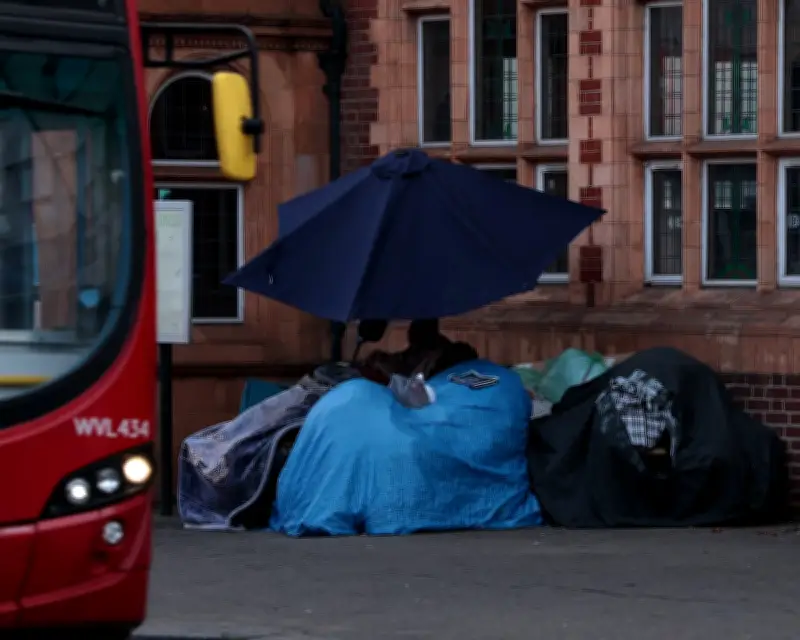
A new study has found that London's rough sleepers face severe health risks during heatwaves, with temperatures inside sleeping bags reaching up to 50°C (122°F). The research, conducted by University College London and the Museum of London, highlights the urgent need for targeted support during extreme weather events.
Study reveals extreme temperatures
The study measured temperatures inside sleeping bags used by rough sleepers in London during a July heatwave. It found that internal temperatures could exceed 50°C, far above the safe threshold for human exposure. According to Dr. Emma Davies, lead author of the study, “The combination of direct sunlight and lack of ventilation can turn sleeping bags into dangerous heat traps.”
Health impacts on rough sleepers
Rough sleepers are particularly vulnerable to heat-related illnesses such as heatstroke, dehydration, and cardiovascular strain. The study estimates that during a typical London heatwave, the risk of death among rough sleepers increases by 20% compared to the general population. Councillor Sarah Johnson, chair of the London Homelessness Taskforce, stated, “We must ensure that our emergency response includes cooling centers and hydration stations for those on the streets.”
Existing measures and gaps
While London boroughs have activated severe weather protocols for cold snaps, heatwave responses remain inconsistent. Only 12 of 32 boroughs currently have dedicated heatwave plans for rough sleepers. The study calls for a standardized approach, including distributing insulated water bottles, providing shaded areas, and training outreach workers to recognize heat-related symptoms.
Call for policy change
Campaign groups are urging the Mayor of London to allocate additional funding for heatwave shelters. A spokesperson for Shelter said, “Every rough sleeper death is preventable. We need year-round extreme weather planning, not just winter measures.” The study recommends that all boroughs adopt a heatwave protocol by 2027.




