
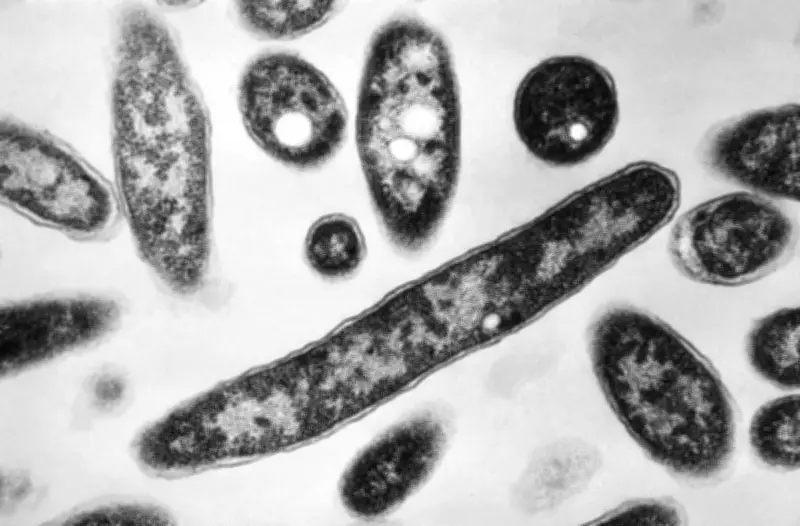
At least 28 people have been sickened in a legionnaires' disease outbreak on Manhattan's Upper East Side, prompting health officials to test water from nearly 160 building cooling towers as they work to contain the spread. The outbreak highlights the growing threat of the bacteria in a warming climate, officials say.
Outbreak Details and Response
New York City Health Commissioner Dr. Alister Martin said the city has taken an "aggressive" approach, signing orders for at least 19 buildings to drain, clean, and disinfect cooling towers. These towers, part of large buildings' heating and cooling systems, are suspected sources of the Legionella pneumophila bacterium. The affected area spans three well-heeled zip codes on the Upper East Side, a wealthy neighborhood between Central Park and the East River.
Martin emphasized that while the chances of developing legionnaires' disease are "extremely, extremely rare," climate change is worsening exposure. "This is now a subtropical climate," he said. "It is absolutely true that climate change is worsening our exposure and increasing the propensity for legionnaires' disease clusters like we’re seeing today."
Legionnaires' Disease: Symptoms and Risks
Legionnaires' disease is a severe form of pneumonia caused by the Legionella pneumophila bacterium, which thrives in warm water environments. Most people exposed to the bacteria do not get sick, but inhaling contaminated water vapor or mist can lead to illness. Symptoms include cough, fever, headaches, muscle aches, and shortness of breath. Although the disease affects fewer than three people per 100,000, up to 10% of diagnosed cases are fatal, according to health officials.
The bacteria were first identified in 1976 after an outbreak among American Legion veterans in Philadelphia. Since then, outbreaks have occurred globally, from New York to Melbourne, Italy to New Hampshire. Urban conditions like aging infrastructure, poor maintenance, and populations with chronic conditions can spur outbreaks.
Disproportionate Impact on Vulnerable Communities
Despite the current outbreak in an affluent area, legionnaires' disease disproportionately affects low-income communities and Black Americans. Marquis Harrison, chair of a Manhattan community board in Harlem, expressed frustration at a March meeting: "I started to believe that Legionella only knew Black and brown neighborhoods. We only saw it in the South Bronx and in Harlem, and only communities of color."
Past outbreaks in New York have borne this out. In 2025, a Harlem outbreak sickened 50 people, according to Houston-based food safety attorney Jory Lange, who represented victims. "Every summer we’re getting calls from people in New York who unfortunately are contracting this disease," he said.
Challenges in Identifying the Source
Health officials face significant challenges in pinpointing the exact source of the outbreak. Epidemiologists must culture water samples to determine if Legionella bacteria detected by PCR tests are alive. They then sequence the genomes of those cultures and compare them with sputum samples from patients. However, doctors often diagnose legionnaires' with a urine test, which may not yield sputum samples for comparison. The health department estimates it could take another month before findings are released. In many smaller outbreaks, the source is never found, according to the CDC.
Commissioner Martin said New Yorkers will soon learn the names of buildings ordered to clean their cooling towers, but the list will not identify the building at the center of the outbreak.
Climate Change as a Driving Factor
The effects of climate change are expected to continue creating favorable conditions for Legionella. The bacteria thrive in warm water, and outbreaks have been traced to hot tubs, water jet cutters, floor scrubbers, and fountains. One study found truck drivers were at higher risk due to their use of "non-genuine windshield cleaner" in vehicles.
Dr. René Najera, director of public health at the College of Physicians of Philadelphia, noted, "The bacteria don't care. If they see a warm spot with water they're going to thrive and multiply." He added, "I don’t know if we’re past the point of no return on climate change, but certainly, it’s not helping."
Advice for Residents
Dr. Benjamin Wyler, an emergency medicine physician at Mount Sinai Health System, advised New Yorkers not to live in fear but to seek care if they develop symptoms like fever, cough, or gastrointestinal issues. "If you’re developing symptoms like a febrile illness and cough, or malaise, gastrointestinal issues, you should maybe have a lower threshold to seek care," he said.
George Yates, a Harlem resident who contracted legionnaires' in 2018 while driving for a ride-share company, echoed that sentiment. He was hospitalized for five days but recovered. "You’re walking down the street minding your own business, breathing in the air, and the air may be contaminated from a cooling tower you can’t even see," he said.




