
Kent Meningitis Outbreak Triggers Sharp Rise in Routine Teen Vaccinations Across England
In the wake of a tragic meningitis B outbreak at the University of Kent in Canterbury, which resulted in two teenage fatalities and 18 hospitalizations, there has been a significant and widespread increase in demand for routine vaccinations among adolescents across England. Health authorities report that this surge, driven by heightened parental awareness and concern, represents a critical response to the outbreak, with immunisation rates for year 9 pupils previously languishing at only 72%, far below the recommended 95% threshold.
Surge in Vaccination Demand and Regional Impacts
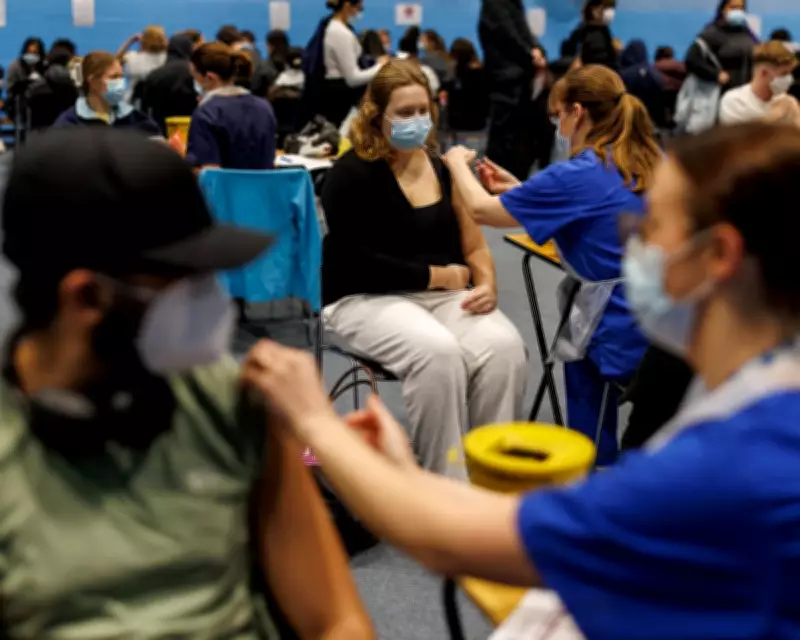
School immunisation services and pharmacies nationwide are experiencing unprecedented demand for routine jabs, particularly for the MenACWY vaccine, which protects against four strains of meningitis, and the Td/IPV vaccine for diphtheria, polio, and tetanus. Over the past fortnight, thousands of teenagers have either booked or received these vaccinations, marking a notable shift in public health engagement.
Key regions reporting substantial increases include:
- Greater Manchester: Parental consents for vaccinations have risen by 40% compared to an average week, according to NHS Greater Manchester.
- Hertfordshire and East of England: The Hertfordshire Community NHS trust administered routine vaccinations to 1,750 teenagers in just two days, with over 2,000 calls from concerned residents.
- Berkshire: Berkshire Healthcare NHS foundation trust noted a surge in demand, with parental consent rates climbing from 90% to nearly 92%, and 560 bookings confirmed for upcoming clinics.
- Other Areas: Increased activity has also been observed in Bath and North East Somerset, Swindon, Wiltshire, and Surrey, where health providers are managing higher volumes of inquiries and appointments.
Expert Insights and Health Authority Responses
Health experts and officials have highlighted this trend as a positive, albeit unintended, consequence of the outbreak. Olivier Picard, chair of the National Pharmacy Association, stated, "We've seen a significant uptick in demand for MenACWY among teenagers who missed their initial NHS vaccine. This outbreak has prompted more patients and parents to review their vaccine records and catch up on missed doses."
Professor Victoria Tzortziou Brown, chair of the Royal College of GPs, added, "While the meningitis outbreak has been shocking, it's reassuring to see more families taking up routine vaccinations. General practice teams are working diligently to ensure all eligible children can access these vital vaccines."
Saul Faust, a professor of paediatric immunology at the University of Southampton, remarked, "It's sad that a serious outbreak was needed to remind people of the importance of vaccines, but it's great that rates are improving. Our challenge now is to sustain these higher rates without relying on disease outbreaks."
Government and NHS Encouragement
In response to the surge, NHS England's director of vaccination, Michelle Kane, urged families to consent to the MenACWY vaccine for year 9 pupils, emphasizing its role in preventing meningitis and sepsis. Health Secretary Wes Streeting expressed condolences for the lives lost in Canterbury and welcomed the increased uptake, noting that nearly 11,000 meningitis B vaccines have been provided in the area. He stated, "For too long, we've seen declining vaccination rates. I hope more people heed the warnings and protect their children from serious diseases."
This development underscores the critical importance of routine immunisations in safeguarding public health, particularly among adolescents, and highlights how public health crises can drive positive behavioral changes in vaccination uptake.




