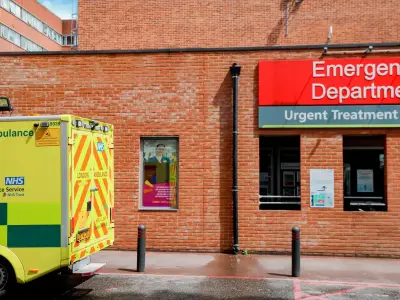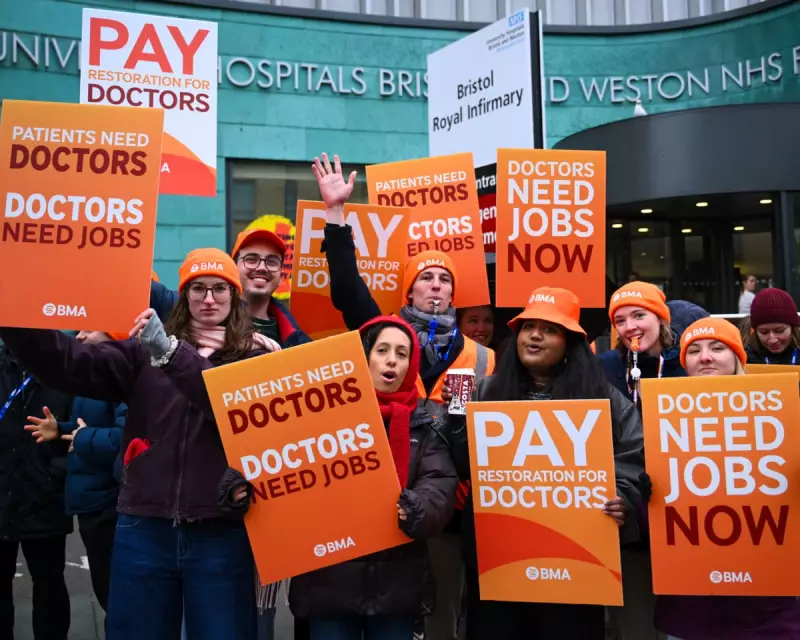
Junior doctors in England have begun a major five-day strike, with picket lines forming outside hospitals including Bristol Royal Infirmary on 17 December. The industrial action, the latest in a long-running dispute over pay and conditions, is set to stretch NHS services during a seasonal flu surge.
The Core of the Dispute: Pay, Debt, and Training Bottlenecks
In a series of letters to the Guardian, healthcare professionals and observers outlined the deep-seated issues fuelling the conflict. Karen Ford, a retired public health adviser, argued the strikes will persist due to fundamental workforce planning failures, not doctor stubbornness. She highlighted that roughly 30,000 doctors recently competed for only 10,000 specialty training posts, leaving thousands unable to advance their careers.
The financial burden on medics is also severe. Medical students now graduate with debts approaching £100,000, which can balloon to around £120,000 due to interest during their early NHS years, where hourly pay can be as low as £17. While the government has promised an extra 1,000 training posts from 2026, critics say this is insufficient and fails to address immediate crises.
A Growing Rift: Consultants Withdraw Support
The strike action is straining relationships within the medical profession itself. An NHS consultant from the north-east, who wished to remain anonymous, expressed dismay at the latest walkout. They revealed that while consultants initially provided supportive cover during strikes, goodwill is rapidly eroding.
"Many of the consultants I work with no longer feel able to support industrial action," they wrote, noting colleagues have used terms like "foolish" and "unprofessional" to describe the decision to strike again. The consultant warned that the loss of support from senior colleagues could prove more damaging long-term than any political leverage gained.
Political Offers and Medical Student Morale
The political response has drawn sharp criticism. A final-year medical student from the University of Manchester accused Labour's Keir Starmer and Wes Streeting of failing to make a good faith offer. They criticised the rebranding of existing non-training posts as new opportunities and the "carrot" of prioritising UK graduates—a policy announced in July but presented as a new concession.
The student also condemned government rhetoric, citing Streeting's "moaning minnies" comment and references to "juvenile delinquency" as breaking any semblance of respectful negotiation. This sentiment is echoed by Dr Mussaddaq Iqbal, a retired doctor, who called for honesty from ministers. He contrasted a new MP's salary of £93,904 with a junior doctor's pay, and highlighted the disruptive nature of rotational training.
Dr Jack Fletcher of the British Medical Association (BMA) was noted for avoiding calls to prioritise UK graduates, a sentiment John Sowerby, a junior doctor, urged the profession to reject. Sowerby warned against scapegoating overseas doctors and instead pointed to decades of underinvestment as the root cause.
Not all public sympathy lies with the strikers. Gill Kelly questioned the timing during an NHS flu crisis, noting many public sector workers receive minimal pay rises and stating the action was "sickening".
The Stakes for the NHS
Each round of strikes is estimated to cost the NHS—and by extension taxpayers—hundreds of millions of pounds. While evidence from previous actions found no rise in patient mortality, thanks to emergency cover, the cumulative impact on morale, finances, and professional cohesion is significant.
The consensus from within the medical community is clear: until the government addresses training capacity, fair pay restoration, and long-term retention in a credible, honest plan, this damaging dispute will continue out of necessity, not choice.