
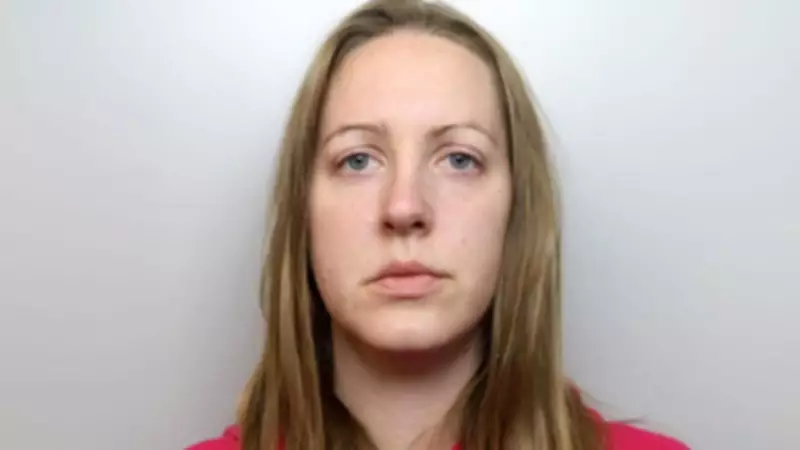
Formal Inquest Proceedings Begin for Lucy Letby's Victims
Inquests into the deaths of five babies murdered by former neonatal nurse Lucy Letby have been officially opened and adjourned during a brief hearing in Warrington. The proceedings mark a significant step in the ongoing legal examination of one of Britain's most disturbing healthcare scandals.
Details of the Coronial Hearings
The twenty-minute hearing before Senior Coroner for Cheshire Jacqueline Devonish addressed the cases of Baby C, Baby E, Baby I, Baby O and Baby P. All five infants died at the Countess of Chester Hospital between 2015 and 2016 while Letby was employed in the neonatal unit.
During the session, a concise summary of circumstances surrounding each death was presented to the court. Coroner Devonish confirmed she was satisfied that formal inquests were necessary for each child and provisionally scheduled full hearings for September, contingent upon the outcome of the ongoing Thirlwall Inquiry.
Connection to Broader Investigations
The inquests have been suspended until a review date on 5th May, aligning with the suspension of Baby D's inquest which was originally opened in January 2016. This coordinated approach ensures all proceedings remain synchronized with the wider public inquiry into how Letby was able to commit her crimes undetected.
Notably, an inquest into Baby A's death concluded in October 2016 with a narrative verdict that could not determine whether the cause was natural or unnatural. This historical case highlights the complexity medical investigators have faced throughout this prolonged tragedy.
Legal Context and Ongoing Developments
Lucy Letby, aged 36 and originally from Hereford, is currently serving multiple whole-life sentences for murdering seven babies and attempting to kill seven others, though she maintains her innocence. Prosecutors recently confirmed she will face no further criminal charges after reviewing evidence related to nine additional children, including two fatalities.
Despite two failed attempts to appeal her 2024 convictions, the Criminal Cases Review Commission is currently examining evidence submitted by medical experts on Letby's behalf. This evidence suggests poor clinical care and natural causes, rather than criminal acts, might explain the infant deaths.
The forthcoming Thirlwall Inquiry report, expected after Easter, will investigate systemic failures that allowed Letby's crimes to occur. This public examination represents a crucial component in understanding the full scope of this healthcare catastrophe and implementing safeguards for future neonatal care.




