
Palli Mahalaxmi, a 50-year-old woman in the village of Busabhadra in Andhra Pradesh, died from heatstroke in May after working in temperatures above 40°C. She was digging a water reservoir under a scorching sun with no shade. Her death is one of thousands occurring as India's climate crisis intensifies, yet official figures show only 460 heat-related deaths in 2024 and just 84 in 2025, according to India's government statistics. Experts say the true toll is dangerously undercounted.
Heatwaves Push Limits of Human Survivability
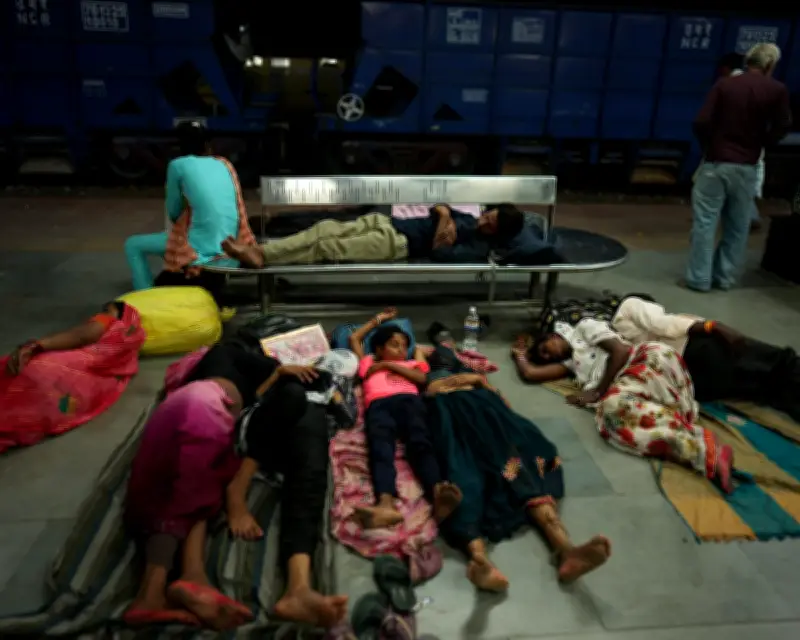
This year, temperatures have reached as high as 48°C in some towns. On one day in April, the world's 50 hottest cities were all in India. Ninety percent of India's workforce operates in the informal sector, with minimal protection from heat. Millions of farmers, construction laborers, street vendors, and security guards work outdoors in temperatures regularly exceeding 44°C during summer. Women often spend hours in boiling hot kitchens. Heat exposure continues into the night, especially in big cities where temperatures no longer fall significantly, leading to sleep loss and reduced recovery time. Untreated heatstroke has an 80% mortality rate.
Official Data Concealed, Researchers Allege
A new report by researchers at the University of California, Berkeley estimates that a single day of extreme heat could cause approximately 3,400 excess deaths nationally, and a five-day heatwave could kill nearly 30,000. However, lead author Ashok Gadgil said their research was impeded by the Indian government's deliberate attempt to conceal data. For over a year, Gadgil and his co-author sought official country-wide death data during heatwaves but were systematically blocked. They relied on a small pool of public data from 10 Indian cities. Gadgil noted that deaths in remote rural areas, where people are poorer and have less access to healthcare, could be higher than their estimates. He faced backlash in India, with some senior figures claiming the report stirred panic. “At least accurately measure the problem and then everyone can be alert, early warning systems can be put in place and lives will be saved,” he said.
Heat Deaths Misclassified in Rural Areas
Doctors across India report that heat deaths are widely recorded under other causes, particularly in rural areas where medical help is scarce. In Ranganathapuram, a remote tribal village in Andhra Pradesh, 39-year-old Nadupooru Krishnarao died in late May after collecting firewood in 45°C heat. His official cause of death was left blank on his certificate. His wife, Rekha Naduputri, said, “The heat took him from me.” Parvati Purilla, who worked alongside Mahalaxmi, recalled, “The heat was terrible and that makes the work very difficult. When you drink water, you just sweat it out immediately. Sometimes we got dizzy – but what choice do we have?”
Urban Heat Crisis in Delhi
In Delhi, a recent report warned of an “escalating urban heat crisis,” with 76% of areas persistently heat stressed. In 2025, “feels like” temperatures passed 52°C. Official heat death figures are murky, but one 24-year-old man died after spending over 20 hours on a crowded train from West Bengal to Delhi. He was admitted to Ram Manohar Lohia hospital with a body temperature of 41°C and died four days later from lung and renal failure. Dr. Amlendu Yadav, head of the hospital's heatstroke unit, said heat deaths are certainly undercounted. During heatwaves, the number of patients brought to the hospital already dead rose by three to five times. Many victims were destitute or homeless. “Their postmortem reports are submitted directly to the ministry of health, so I do not know the final conclusions. But I do suspect that many of those additional deaths are related to heat,” he said.
Calls for Action and Better Data
This year, heatwaves were finally recognized as a national disaster by India's finance ministry. However, the health ministry's heat action plan addresses “health risks” but not mortality. Experts and doctors emphasize that accurate mapping of heat mortality could lead to crucial interventions and early warning systems. Yadav warned, “Considering the pace of climate change, and the heatwaves we are seeing in Europe and even parts of the US, India could face an epidemic of heatstroke if we do not prepare ourselves in time.”




