
In April, tech entrepreneur Bryan Johnson posted about his girlfriend's "vaginal microbiome report," claiming it was in the "top 1% of vaginas." While the vaginal microbiome is a legitimate area of study, most clinicians do not routinely recommend this test. As medical technology advances and becomes more marketable, the line between helpful screening and unnecessary testing has blurred.
What Is Medical Screening?
Screening is medical testing that looks for conditions before symptoms appear. The best screenings find treatable conditions early, allowing clinicians to reverse or cure them, preventing premature disability or death. Good screenings are also affordable and safe. Blood sugar tests and blood pressure checks are prime examples. They detect diabetes and high blood pressure, which have long asymptomatic periods and cause damage to blood vessels in the eyes, kidneys, brain, and heart. Early treatment can stop progression, while delayed diagnosis can shorten lives by decades and lead to blindness, kidney disease, strokes, and heart attacks. These screenings are cheap, easy, and interventions like diet, exercise, and safe medications are far more beneficial than harmful.
Is More Screening Better?
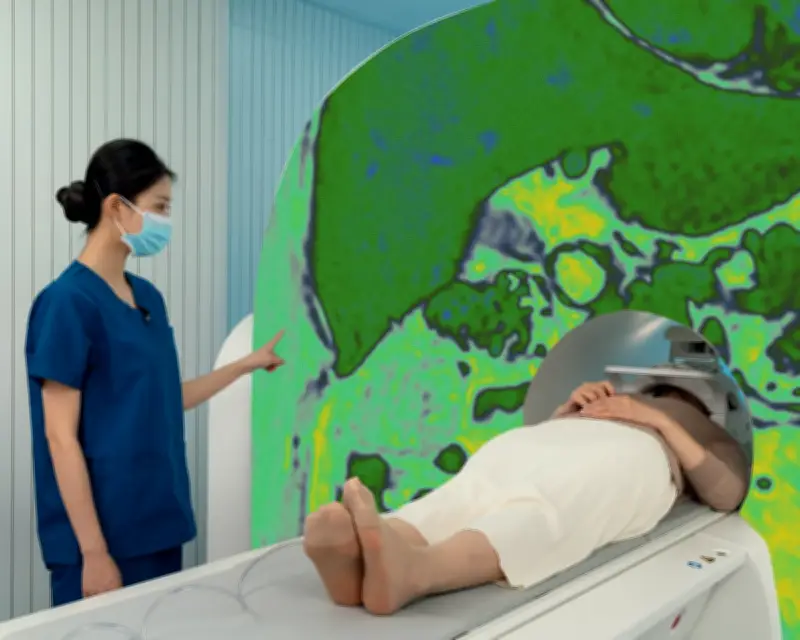
Experts warn against "overscreening"—overzealous testing that finds untreatable or insignificant issues, leading to costly and potentially harmful follow-ups. A prime example is full-body MRI scans, popularized by techno-optimists and celebrities, sold as a way to catch "silent killers" like aneurysms and tumors early. However, MRI technology detects atypical anatomy but often cannot determine its significance. A review of whole-body MRI studies found that 95% of participants had abnormal findings, about a third required further investigation, and fewer than 0.5% had findings suspicious for cancer. "Humans are full of abnormality, particularly as they age," says Gilbert Welch, a researcher of overdiagnosis at Brigham and Women's Hospital in Boston. Many findings are irrelevant, but clinicians often act on all of them.
What Are the Harms of Overscreening?
Incidentalomas—tiny cysts, nodules, or anatomical quirks—are unlikely to cause harm but trigger cascades of additional testing, biopsies, and specialist appointments, costing time and money and risking discomfort and complications. Even established tests can be overused. For decades, experts have debated the best frequency for screening mammograms. Long-term data suggest that more frequent mammography substantially increases breast cancer diagnoses, especially early-stage disease, but leads to much smaller reductions in advanced cancer, and effects on overall mortality are uncertain. A large share of detected cancers may never progress. For older patients, more frequent screening may increase unnecessary invasive procedures. Overscreening also creates worry and a sense of ill health, says Suzanne O'Sullivan, a neurologist at London's National Hospital for Neurology and Neurosurgery. Before a screening, you feel healthy; after an uncertain finding, "I won't feel healthy any longer," she says.
For those with certain family and medical histories, experts recommend earlier and more frequent tests—for example, earlier colonoscopies for those with a close relative with colorectal cancer. O'Sullivan believes elaborate screening might be more useful when disease progression is better understood. In the meantime, "someone's making an awful lot of money pretending to keep people healthy," she says.
What Should You Do Before Signing Up for the Latest Trending Test?
Most primary care clinicians are well-versed on appropriate screenings at different life stages and use evidence-based guidance. They can also help before you buy a direct-to-consumer (DTC) test. The FDA does not review all DTC tests, and independent evaluations of accuracy are hard to find. Ask the seller: Does this test reduce deaths or disability, or just increase diagnoses? How often does it produce false positives or overdiagnosis? Is the treatment safer than leaving the condition alone? Ultimately, says Welch, the path to health involves "things your grandmother might have told you: eat your fruits and vegetables, go play outside," and find meaningful activity and connection. "We're teaching the next generation the path to health is by collecting data on yourself," he says, but "you can't test yourself to health."




