
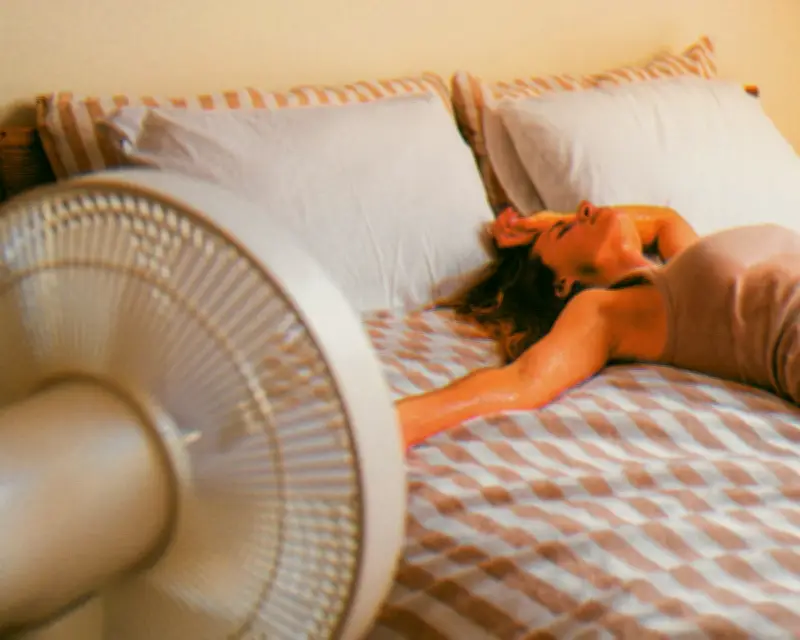
How heat disrupts sleep: physical and mental effects
Hot weather can make sleep feel impossible, and worrying about it only worsens the problem. According to Dr. Shelby Harris, founder and director of NY Sleep and Psychology, “When people cannot sleep because they are too hot, it often becomes both a physical and a mental challenge.” She notes that individuals may start watching the clock, worrying about the next day, or trying to force sleep, which backfires. “If several hot nights occur in a row, the accumulated sleep loss can also affect mood, making people more irritable, emotionally reactive and less able to cope with everyday stressors,” Harris adds.
Dr. Yi Cai, a sleep expert and director of sleep surgery at New York-Presbyterian/Columbia University Irving Medical Center, explains the physiological response: “The body is constantly trying to keep its core temperature stable. In hot weather, it does this by sending more blood to the skin and producing sweat, which cools the body as it evaporates. But when it’s very hot, especially if it’s also humid, those cooling systems become less effective.” Core body temperature naturally drops 2-3 degrees at night to trigger melatonin production, but in heat, this process is hindered.
Breaking the frustration cycle
Janet Kennedy, PhD, a sleep psychologist and founder of NYC Sleep Doctor, highlights the mental toll: “When someone is hot and struggling to sleep, frustration sets in and makes the problem worse.” Tossing and turning activates the sympathetic nervous system, releasing adrenaline that heightens discomfort. Harris advises, “If you cannot fall asleep because you are too hot, do not stay in bed becoming increasingly frustrated. Get up, cool yourself down, and return to bed once you feel sleepy again.”
Preparing your bedroom for cooler sleep
To create a sleep-friendly environment, Kennedy recommends keeping the bedroom as cool as possible by closing blinds during hot days to block sunlight. Cai suggests sleeping in the coolest part of the home, often a lower floor, with curtains drawn. If nighttime temperatures drop, open windows to let in cooler air. “Avoid adding unnecessary heat sources like bright lights or electronics before bed,” Cai says.
Bedding choices matter: use light, breathable fabrics like cotton sheets or linen, which are cooling and temperature-regulating. Avoid heavy materials like flannel or tight-weave cotton sateen. Opt for loose-fitting pajamas or as little clothing as comfortable, per Cai.
Cooling techniques and devices
Traditional tricks can help: a cool, damp towel on the neck or wrists, or placing a pillowcase in the freezer for about 20 minutes. Cai notes these are temporary fixes and not substitutes for a genuinely cool environment. Air conditioning is effective; for fans, placing a bowl of ice in front can provide local cooling but won't cool an entire room.
Avoid alcohol, caffeine, and heavy meals before bed
Kennedy advises limiting alcohol and caffeine, which compromise deep sleep and trigger night waking. Heavy meals can contribute to dehydration, says Cai. Stay hydrated but taper before bed to avoid nighttime bathroom trips. Harris recommends avoiding vigorous exercise close to bedtime, as it can increase body temperature.
Vulnerable groups: older adults, children, and pets
Older adults are especially vulnerable because temperature regulation becomes less efficient with age. Infants, young children, and pets also struggle to communicate overheating. Cai advises dressing babies in light clothing, keeping them in cool rooms, and walking pets during cooler hours. Watch for heatstroke symptoms: confusion, difficulty waking, absence of sweating despite heat, or very high body temperature—seek emergency care immediately.
What if nothing works?
Kennedy emphasizes not fighting uncontrollable factors: “Getting angry, frustrated or desperate will raise your body temperature and make it harder to sleep.” Trust that sleep will eventually come, and avoid anxiety spirals.




