
England is experiencing its hottest day of the summer so far, with the Met Office predicting 35°C in the South East – a temperature that would exceed those forecast for the Greek holiday islands of Mykonos, Rhodes and Santorini. Most of central and southern England will see upper 20s to low 30s, before a brief cooldown begins.
The high temperatures have prompted health officials to issue alerts for nearly the entire nation. Only the North East is free of a heat health warning, which cautions that the prolonged hot spell could cause a “rise in deaths”. The UK Health Security Agency (UKHSA) has upgraded London, the South East, the East of England and the East Midlands to an amber alert, active until Wednesday.
Amber and yellow alerts: what they mean
Amber alerts, the second-highest tier, indicate that the health and social care sector will likely face “significant” strain, with hospitals and care homes at risk of overheating. The warnings also highlight the potential for electricity blackouts if power demand “exceeds capacity”, as well as an increased incidence of drowning and cold-water shock as people flock to open water to cool down.
Yellow heat health alerts cover the North West, Yorkshire and Humber, the West Midlands and the South West, signalling that vulnerable people may feel the effects of the heat. These alerts remain lower in severity than amber but still require vigilance.
Peak heat today, gradual easing
Met Office forecaster Marco Petagna said Monday would be the “peak of the heat”. He told reporters that temperatures would ease slightly on Tuesday, with 28 to 30°C expected in the South East and East Anglia. “Not as extreme as tomorrow, but still well above average,” he added. Wednesday should see highs of 26 to 27°C in the South East, followed by a continued downward trend.
Petagna explained that the North and West will remain cooler throughout, with temperatures in the high teens to low 20s. “Certainly central and South East England [will see] hot weather returning briefly, and a lot of sunshine to come in the South East as well,” he said.
Rain to break the spell
The dry, sunny weather will be interrupted tomorrow, as the Met Office forecasts rain across every part of Scotland, Wales and Northern Ireland from the early hours. Scotland and Northern Ireland are expected to receive the heaviest rainfall, potentially triggering weather warnings. In England, only isolated areas will see wet conditions, with the north possibly receiving up to 2mm of rain on Thursday morning.
The Met Office’s Monday forecast warns of “outbreaks of heavy rain in the north today with a risk of thunder” and “scattered showers in the south with the odd thunderstorm”. The weather will be “very warm and humid” and windy in the north. The outlook adds that the north will see rain or showers over the coming days, while the south may become drier from Thursday.
Driest July in nearly two centuries
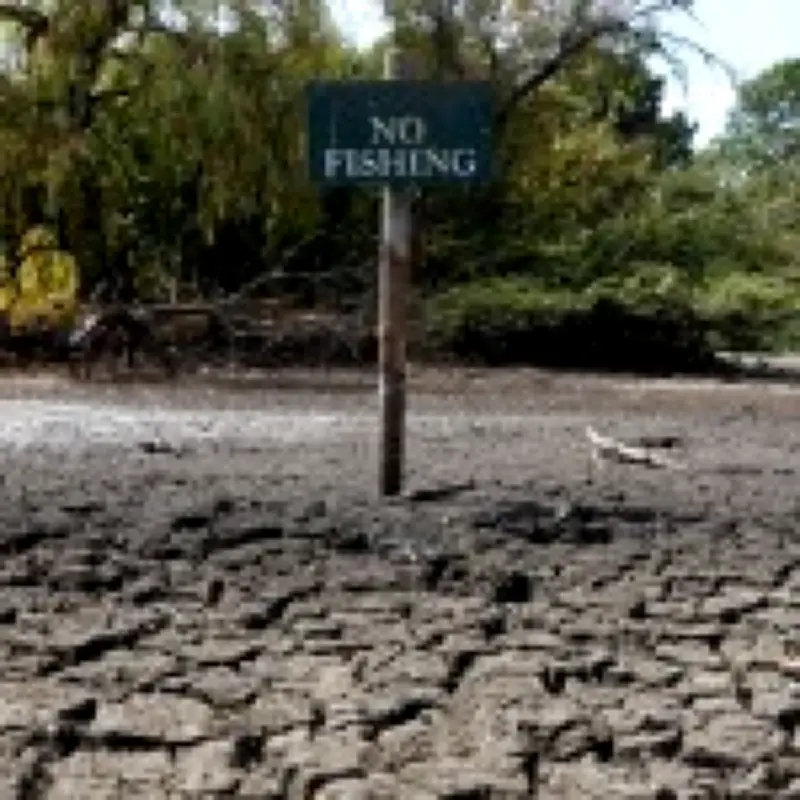
The rain is long overdue. Last month was the driest July in the UK for 190 years, according to the Met Office. England received just 5.6mm of rainfall, less than half of the previous record low of 13.4mm set in 1911. More than half of England and all of Wales are now officially in drought. The prolonged dry spell, caused by three successive heatwaves, has left the countryside tinder-dry. Wildfires have flared in several regions, and the parched conditions have revealed the outlines of centuries-old gardens that had not been seen in decades. England recorded barely a thimble of rain, making rainfall levels historically low.
Stay safe in the heat
Polly Ashmore of the UKHSA emphasized the need for people, especially the elderly and those with underlying conditions, to prepare for a few more days of high temperatures. “Simple steps such as staying hydrated, avoiding the sun during the hottest part of the day, and keeping your home cool are some of the key ways to help keep yourself and others safe during periods of hot weather,” she said.
The amber alert remains in place until Wednesday, and with temperatures expected to stay well above average for much of the week, health officials are urging everyone to look out for the most vulnerable in their communities.




