
Alaska's battle against a relentless overdose crisis is under severe threat from looming federal budget cuts, according to law enforcement and public health experts. The state, which has failed to see a sustained decline in drug-related deaths, faces a potential double blow: reduced funding for intercepting deadly narcotics and restricted access to life-saving addiction treatment.
Law Enforcement Warns of "Devastating" Impact from HIDTA Cuts
At the heart of the concern is a proposed 35% cut – over $100 million – to Alaska's High Intensity Drug Trafficking Area (HIDTA) programme. This federal initiative, established in 1988, provides critical resources to local and tribal agencies in key drug trafficking regions. For Anchorage Police Chief Sean Case, the timing could not be worse. "I think the stakes are a lot higher right now just because of the high number of overdoses that we're having," Case stated, advocating instead for increased funding.
Alaska's unique geography makes interdiction exceptionally challenging. With an area more than twice the size of Texas, the state troopers' drug unit has only 27 officers dedicated to the task. Some remote regions have no police coverage at all. Most illicit drugs, particularly potent synthetics like fentanyl, enter via mail, with Anchorage as the primary port of entry.
Chief Case credits HIDTA coordination for recent successes. "Over the last two years, we've had the highest success rate of drug interdiction than we've ever had before," he said, explaining that the programme enables cross-agency investigations targeting cartels, rather than just low-level offenders. Without it, he fears a surge in fentanyl flow and more deaths, particularly in vulnerable rural villages. "I'll even probably go so far as to say devastated," Case warned.
Medicaid Work Requirements Threaten Treatment Access
Parallel threats come from changes to Medicaid, which provides healthcare to over 211,000 Alaskans – more than a quarter of the state's population. The so-called "big, beautiful bill," which passed with a tie-breaking vote from Alaska Senator Lisa Murkowski, projects cuts of $911 billion to Medicaid over the next decade. It also introduces an 80-hour monthly work requirement for recipients.
Richard Frank, a senior fellow at the Brookings Institute, warns this will likely disconnect many people with substance use disorders from treatment. "The work requirements seem likely to knock a lot of people with substance use problems off the rolls," Frank explained. While exemptions exist for addiction, he notes "hassle factors" like complex paperwork are significant barriers for this vulnerable group.
These cuts jeopardise Alaska's hard-won progress in expanding treatment. Facilities like the Anchorage Recovery Centre and True North Recovery, which rely heavily on Medicaid reimbursements, are rapidly adding inpatient beds – a crucial resource in a vast, cold state where outpatient care is often inaccessible.
Parents Turned Activists Fear a Step Backwards
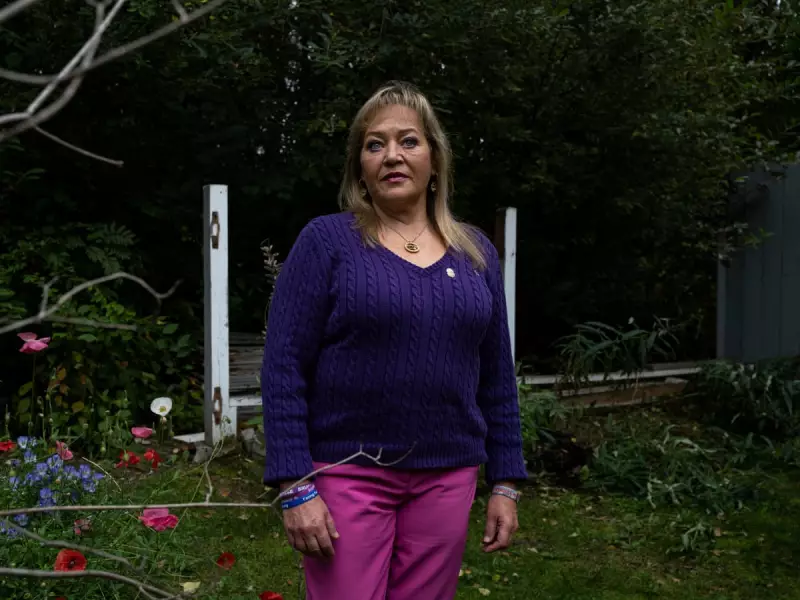
The human cost of the crisis is embodied by advocates like Sandy Snodgrass, who lost her son Bruce to fentanyl poisoning in 2021. She has since become an outspoken campaigner for overdose prevention and even authored "Bruce's Law," recently signed to increase fentanyl awareness. Snodgrass, who has received HIDTA funding for her work, believes Alaska needs more support, not less. "It's just going to take a lot of work from law enforcement," she said, noting that fatalities are "not getting any better yet."
Karl Soderstrom, founder of True North Recovery, is pragmatically preparing for the Medicaid changes. With 90% of his revenue coming from Medicaid, he is creating an internal workforce development programme to help clients meet potential work requirements. "I'm trying not to over-catastrophize some of these changes, but rather be prepared for adjustments as they come," Soderstrom said. However, Frank cautions such measures address only one of the new hurdles patients will face.
Alaska's senators have been urged to fight the HIDTA cuts. Senator Dan Sullivan's office stated he "fought hard" to maintain its current structure. The fate of the funding remains uncertain, leaving Alaska's frontline responders and grieving families to hope their fragile progress isn't undone.




