
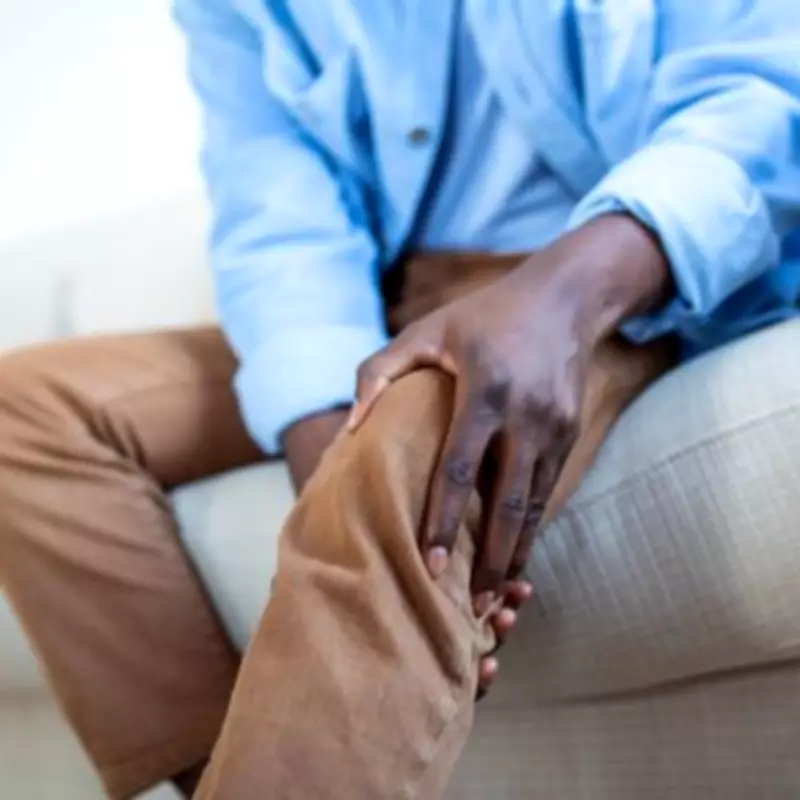
The Department for Work and Pensions (DWP) has released a comprehensive list of 87 musculoskeletal conditions that could qualify individuals for Personal Independence Payment (PIP), a benefit worth up to £778 every four weeks. Recent figures indicate that over 3.9 million people across England and Wales are failing to claim this financial support, often unaware that their condition makes them eligible.
What is PIP?
Personal Independence Payment is designed to help adults with long-term health conditions or disabilities cover the extra costs they face. The benefit is tax-free and available regardless of employment status. Claimants can receive between £30.30 and £194.60 per week, translating to £121.20 to £778.40 per four-week payment period, depending on the severity of their condition.
Musculoskeletal Conditions and PIP
According to DWP data, over 1.2 million adults were receiving PIP for musculoskeletal conditions as of January 2026. The list includes common ailments such as osteoarthritis, rheumatoid arthritis, fibromyalgia, and chronic fatigue syndrome, as well as rarer disorders like Marfan's syndrome and osteogenesis imperfecta. To qualify, the condition must significantly impact daily living or mobility.
Full List of 87 Conditions
The DWP has categorized the conditions into groups. Below is the complete list:
Osteoarthritis
- Osteoarthritis
- Osteoarthritis of Hip
- Osteoarthritis of Knee
- Osteoarthritis of other single joint
- Primary generalised Osteoarthritis
Chronic Pain Syndromes
- Chronic pain syndrome
- Chronic fatigue syndrome (CFS)
- Fibromyalgia
- Pain syndromes - Chronic - Other / type not known
Inflammatory Arthritis
- Ankylosing spondylitis
- Arthritis - Psoriatic
- Arthritis - Reactive
- Inflammatory arthritis - Other / type not known
- Juvenile chronic arthritis (Still's disease)
- Rheumatoid arthritis
Crystal Deposition Disorders
- Crystal deposition disorders - Other / type not known
- Gout
- Pseudogout
Osteonecrosis and Osteochondritis
- Osteochondritis
- Osteonecrosis
Metabolic and Endocrine Disorders
- Osteomalacia
- Osteoporosis
- Other metabolic and endocrine disorders of musculoskeletal system
- Paget's disease
- Rickets
Genetic Disorders, Dysplasias and Malformations
- Achondroplasia
- Epiphyseal dysplasia - multiple
- Genetic disorders, dysplasias and malformations - Other / type not known
- Hereditary multiple exostosis (diaphyseal aclasis)
- Hypermobility syndrome
- Marfan's syndrome
- Osteogenesis imperfecta
Benign Tumours of Bone
- Tumours of bone - benign
Fracture Complications
- Compartment syndrome (Volkmann's ischaemia)
- Fracture complications - Other / type not known
- Sudek's atrophy
Other Generalised Musculoskeletal Conditions
- Generalised musculoskeletal disease - Other / type not known
Shoulder Disorders
- Adhesive capsulitis (frozen shoulder)
- Rotator cuff disorder
- Shoulder disorders - Other / type not known
- Shoulder instability
Elbow Disorders
- Elbow disorders - Other / type not known
- Golfers elbow (medial epicondylitis)
- Tennis elbow (lateral epicondylitis)
Wrist and Hand Disorders
- Carpal tunnel syndrome
- Dupuytren's contracture
- Tendon lesions
- Tenosynovitis
- Wrist and hand disorders - Other / type not known
Neck Disorders
- Cervical disc lesion
- Cervical spondylosis
- Neck disorders - Other / type not known
- Whiplash injury
Back Pain
- Non specific back pain
- Back pain - Non specific (mechanical)
- Specific back pain
- Back pain - Specific - Other / type not known
- Kyphosis
- Lumbar disc lesion
- Lumbar spondylosis (OA spine)
- Schuermann's disease
- Scoliosis
- Spinal stenosis
- Spondylolisthesis
Hip Disorders
- Dislocation of the hip - congenital
- Hip disorders - Other / type not known
- Perthes disease
- Slipped upper femoral epiphysis
Knee Disorders
- Bursitis
- Chondromalacia patellae
- Knee disorders - Other / type not known
- Ligamentous instability of knee
- Meniscal lesions
- Osgood schlatters disease
- Osteochondritis dissecans
- Patellar dislocation - Recurrent
Ankle and Foot Disorders
- Ankle and foot disorders - Other / type not known
- Club foot (talipes)
- Fore foot pain (Metatarsalgia)
- Hallux valgus /rigidus
Amputations
- Amputation - Lower limb(s)
- Amputation - Upper limb(s)
- Amputations - Upper & Lower limb/s
Injuries/Fracture/Dislocation
- Abdomen - Injuries/Fracture/Dislocation of
- Lower limb - Injuries/Fracture/Dislocation of
- Multiple - Injuries/Fracture/Dislocation
- Pelvis - Injuries/Fracture/Dislocation of
- Spine - Injuries/Fracture/Dislocation of
- Thorax - Injury/Fracture/Dislocation of
- Upper limb - Injury/Fracture/Dislocation of
Other Regional Musculoskeletal Disease
- Musculoskeletal disease - Regional / Localised - Other / type not known
How to Apply
To claim PIP, individuals must contact the DWP and complete an assessment. The typical processing time is 16 weeks, so applications made now could be finalized by late August, with back payments included. It is important to note that eligibility depends on how the condition affects daily life, not just the diagnosis itself.




