
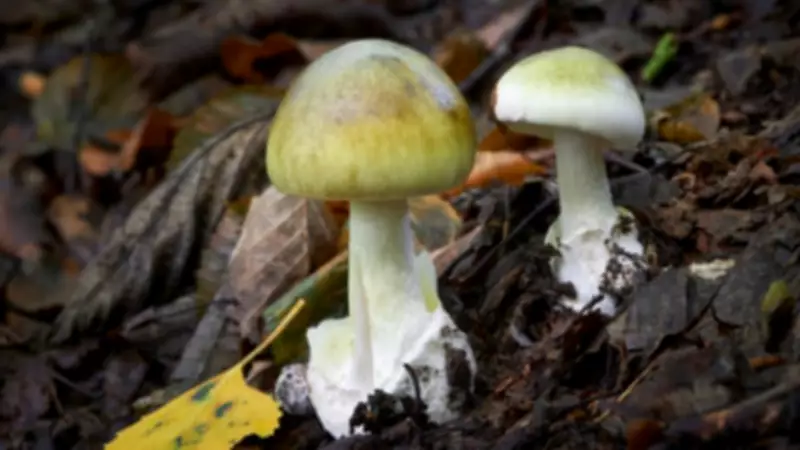
A deadly outbreak of mushroom poisoning has struck California, resulting in four fatalities and leaving three other individuals in urgent need of liver transplants. The tragic incidents are linked to the consumption of Death Cap mushrooms, which have proliferated across the state following an unusually rainy winter season.
Public Health Emergency Declared
The California Department of Public Health has issued a stern warning, urging residents to completely avoid foraging for wild mushrooms. This advisory comes in response to a significant spike in reported poisonings, with at least three dozen cases documented since mid-November. This figure starkly contrasts with the typical annual reports, which usually number fewer than five cases.
Health authorities have confirmed that many of those affected by the Death Cap mushrooms experienced rapidly progressing acute liver injury, culminating in severe liver failure. The victims span a wide age range, from a toddler of just 19 months to adults up to 67 years old, highlighting the indiscriminate danger posed by these toxic fungi.
Geographical Spread and Identification Challenges
The poisonous mushrooms have been sighted in numerous local and national parks throughout Northern California and along the Central Coast. Specific clusters have been identified in the Monterey area and the San Francisco Bay region, raising concerns among outdoor enthusiasts and foragers.
Scientifically known as Amanita phalloides, Death Cap mushrooms bear a deceptive resemblance to edible varieties such as Caesar's mushrooms and Paddy Straw mushrooms. This visual similarity makes them particularly hazardous, as they can easily be mistaken for safe, foraged food. The fungi typically thrive and spread during the autumn and winter months, coinciding with the current outbreak.
Symptoms and Medical Impact
According to experts from Wild Food UK, a foraging information website, symptoms of Death Cap mushroom poisoning can manifest several hours after ingestion. Initial signs include severe vomiting, diarrhoea, and intense abdominal pain. In critical cases, these symptoms may temporarily subside, only to return with devastating force after several days, often leading to death from combined kidney and liver failure.
Dr. Craig Smollin, a medical director at the California Poison Control System, noted to the Associated Press that while Death Cap mushrooms commonly flourish in the state between November and March, the current proliferation is exceptionally severe. This unusual growth pattern has contributed to the heightened risk and increased number of poisonings.
Personal Tragedy Highlights Dangers
The human cost of this outbreak is poignantly illustrated by the experience of Laura Marcelino and her family. Residing in Salinas, Northern California, the Marcelinos gathered mushrooms that closely resembled those they foraged in their native Oaxaca, Mexico. Believing them to be safe, the family consumed the fungi, only to fall gravely ill.
Ms. Marcelino, aged 36, recounted that her husband initially felt dizzy and fatigued, while she remained asymptomatic. Tragically, they ate the mushrooms again the following day. Soon after, both adults—seasonal farmworkers—began vomiting uncontrollably and were unable to work. Ms. Marcelino required a five-day hospital stay, and her husband underwent an emergency liver transplant, underscoring the severe and life-altering consequences of such poisonings.
This distressing incident serves as a stark reminder of the perils associated with wild mushroom foraging, especially without expert knowledge. Health officials continue to emphasise that the only sure way to avoid such tragedies is to refrain from picking and consuming wild mushrooms altogether, particularly during periods of heightened fungal growth.




