
Outbreak of Cyclosporiasis Hits Michigan and Ohio
Health officials report a surge in cyclosporiasis cases across the United States, with Michigan experiencing its largest outbreak in history. The state typically sees about 50 cases annually but has now recorded nearly 1,000 cases. Ohio has also seen a sharp increase, with 177 cases as of July 2. The CDC has documented 145 cases across 17 states as of June 16, though this likely undercounts due to reporting lags.
What Is Cyclosporiasis?
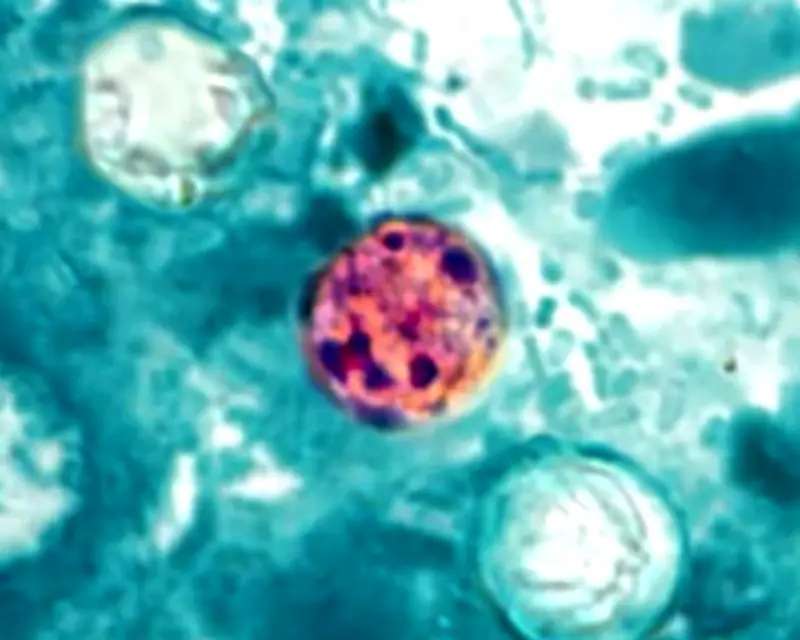
Cyclosporiasis is a gastrointestinal illness caused by the parasite Cyclospora cayetanensis, which spreads through raw produce and water contaminated with human feces. In the US, it is seasonal, with outbreaks most common between May and August. Past outbreaks have been linked to contaminated basil, cilantro, berries, and spinach.
Symptoms include watery diarrhea that can be explosive, often recurring after resolution. Other symptoms include cramps, nausea, fatigue, loss of appetite, low-grade fever, and vomiting, lasting days to over a month. The incubation period averages one week, ranging from two days to two weeks. The illness is rarely life-threatening and not typically person-to-person transmissible.
Comparison to Previous Outbreaks
Historically, US cyclosporiasis outbreaks have been tied to contaminated irrigation water. In 2022, Florida saw hundreds of cases from lettuce in packaged salads. Major outbreaks include a 1996 event linked to Guatemalan raspberries (nearly 1,500 cases) and a 2019 outbreak tied to Mexican basil (over 2,400 cases across US and Canada).
Prevention Measures
To reduce risk, officials recommend thoroughly washing fresh produce, though washing may not eliminate all parasites. Foods with crevices like raspberries, blackberries, lettuce, spinach, cilantro, green onions, and basil are higher risk. Consumers are advised to buy whole heads of lettuce, remove outer leaves, and wash remaining ones. Cooking produce can kill the pathogen.




