
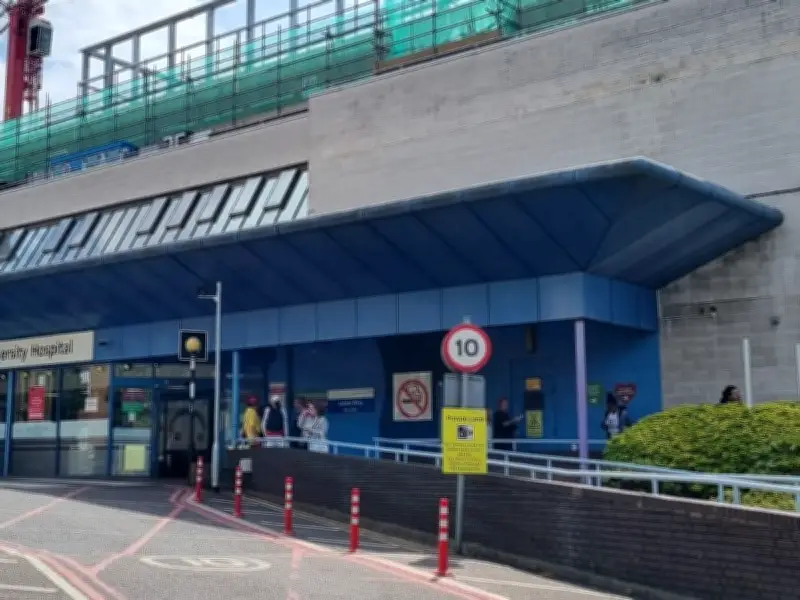
Patients at Croydon University Hospital's emergency department are now waiting nearly 52% longer than in 2021, with average total times rising from 257 minutes to 390 minutes by December 2025, according to a Freedom of Information request obtained by the Local Democracy Reporting Service (LDRS). The surge has prompted local Labour councillors to argue that expanding the A&E alone will not solve the crisis, calling instead for a 'whole-system approach' that prioritises social care and prevention.
Rising demand and longer stays
The increase is largely driven by a 16.2% rise in annual attendances, from 133,611 in 2021 to 155,245 in 2025. Monthly figures show the department saw 7,767 patients in January 2021, but by May 2021, as lockdown restrictions eased, attendances jumped to 12,116. The Trust attributes longer stays to 'more complex patient needs' and 'wider pressures' on patient flow, including discharge delays and bed availability.
Croydon Health Services NHS Trust, which runs the hospital, told LDRS: "Like many NHS organisations, we have seen a rise in demand for urgent and emergency care over recent years." They added that they are implementing measures to improve patient flow, maximise bed capacity, and reduce discharge delays, including expanding Same Day Emergency Care and frailty services.
Quicker initial assessments, but overall waits grow
Despite the increased workload, triage nurses have cut the average time for an initial clinical assessment by 19.4%, from 8.2 minutes in 2021 to 6.6 minutes in 2025. However, this does not offset the overall trend, as patients spend longer in the department awaiting admission, tests, or treatment.
The Trust stated: "We continue to invest in our workforce, digital technology and service transformation, including expanding our Same Day Emergency Care and frailty services to help more patients receive treatment without needing an overnight hospital stay, while making the best use of existing capacity to deliver safe, high-quality care."
Councillors call for integrated care
Labour councillors for West Thornton, Janet Campbell, Rym Daoud, and Stuart King, said the figures reflect what residents have experienced for years. They told LDRS: "The increase in A&E waiting times reflects what many residents have been telling us." They also highlighted the knock-on effects on local roads, parking, and public transport, especially at peak times.
The councillors argued that the solution is not simply expanding the A&E facility but creating a more integrated health and care system. They said: "Lasting improvement will require a whole-system approach that invests not only in the NHS, but also in adult social care, community mental health services, prevention and tackling the wider determinants of health, such as housing and poverty."
CQC inspection finds severe waits and corridor care
The new figures come months after the Care Quality Commission (CQC) rated the A&E department as 'Requires Improvement' in June, following an unannounced inspection in March. Inspectors found patients waited between 34 and more than 127 hours in A&E, with the longest waits exceeding five days. Adults in mental health crisis faced the longest waits, with some left in unsuitable environments that risked worsening their condition.
Inspectors also criticised the routine use of 'corridor care', stating that doctors were forced to discuss diagnoses and treatment in areas that did not protect privacy. Additionally, mandatory safeguarding training fell short of the Trust's 90% target. However, the CQC noted that 89% of patients said they were treated with respect and dignity, and 95% said they felt listened to by doctors and nurses.
Staff praised amid systemic pressures
The councillors recognised the "extraordinary work" of NHS staff at the hospital, saying: "These figures highlight pressures across the entire health and care system rather than simply within the hospital itself." They emphasised the need to shift from crisis response to prevention, with strong communities, supported voluntary organisations, and joined-up public services to keep people well and independent.




