
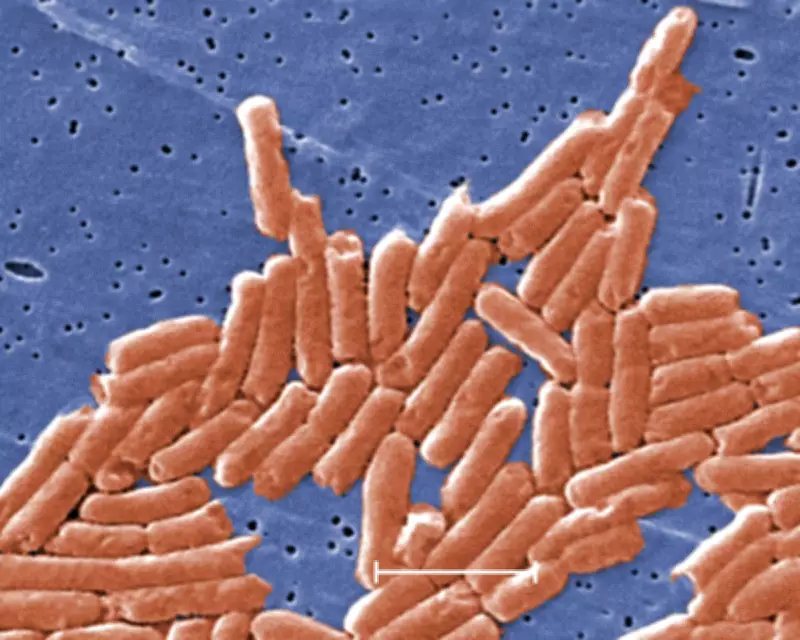
A new study has revealed that the climate crisis is accelerating the spread of antibiotic resistance across the globe, with Salmonella bacteria showing a significant increase in drug-resistant strains linked to rising temperatures. The research, published in the journal Nature Climate Change, analyzed data from over 300,000 Salmonella samples collected across multiple continents over several decades.
Key Findings
The study found that higher temperatures and extreme weather events, such as floods and droughts, are creating conditions that promote the growth and spread of antibiotic-resistant bacteria. Specifically, the researchers observed a direct correlation between rising average temperatures and the prevalence of resistance to multiple antibiotics in Salmonella strains.
Global Impact
Salmonella is one of the most common causes of foodborne illness worldwide, causing millions of infections each year. The emergence of antibiotic-resistant strains poses a serious threat to public health, as common treatments become less effective. The study warns that without urgent action, the problem could worsen, leading to more severe infections and higher mortality rates.
The researchers emphasized that climate change is not the only driver of antibiotic resistance, but it is an increasingly important factor. Other drivers include overuse of antibiotics in humans and animals, and poor sanitation. However, the study highlights that climate change exacerbates these issues by altering the environment in ways that favor resistant bacteria.
Call for Action
The authors call for integrated strategies that address both climate change and antibiotic resistance simultaneously. They recommend reducing greenhouse gas emissions, improving surveillance of antibiotic resistance, and promoting responsible use of antibiotics. Additionally, investments in public health infrastructure, particularly in vulnerable regions, are crucial to mitigate the impact.
This study adds to a growing body of evidence that climate change has far-reaching effects on human health, beyond the direct impacts of heatwaves and natural disasters. It underscores the need for a coordinated global response to protect the effectiveness of antibiotics, which are a cornerstone of modern medicine.




