
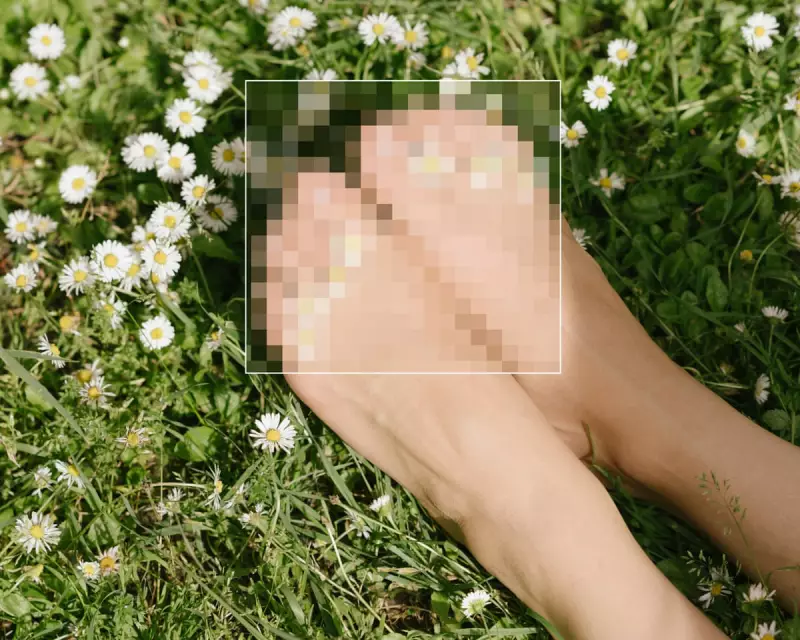
In a surprising move that highlights the challenges of niche online communities, the United Kingdom's most prominent barefoot living group has been forced to implement a strict ban on close-up photographs of feet.
The Unwanted Attention
The private Facebook community, which boasts more than 700 members dedicated to the shoeless lifestyle, found itself targeted by individuals with ulterior motives. According to group administrator Sian Davis, the prohibition specifically targets close-up images while still permitting full-length, location-based photographs that show members engaging in barefoot activities in context.
One long-term practitioner, identified only as Ben, revealed to the Times that he and numerous other members – particularly women – had received unsolicited private messages requesting foot pictures. Ben, who hasn't worn shoes for an entire decade, emphasised the sensory benefits of going barefoot rather than any fetishistic elements.
Protecting Community Values
The group's administration has implemented a vetting process for new membership applications, explicitly warning potential joiners that "this is not a foot fetish group." The community exists to "offer support, guidance, share stories and generally discuss our passion" for living without footwear.
Davis explained the reasoning behind the picture policy, noting that "we all know what feet look like!" She highlighted that some members feel uncomfortable with feet-focused content, and the group's primary purpose is to support people in becoming more comfortable with barefoot living rather than showcasing anatomical details.
When encountering inappropriate messages, members are advised to report them immediately. "The admins can then have a good look at their profile and see if the evidence says they are there for the right reasons," Ben stated, outlining the community's protective measures.
The Barefoot Philosophy
Enthusiasts of the barefoot lifestyle advocate for numerous benefits, including strengthened muscles and tendons, improved posture, and a deeper connection to nature. The practice represents a return to human roots – the earliest known shoe, a simple sagebrush bark sandal discovered in what's now Oregon, dates back merely 10,000 years, a relatively recent development in human history.
Despite potential hazards like broken glass, winter conditions, and the notorious Lego brick, the UK barefoot community continues to grow, finding value in what members describe as connecting to the soul through the sole.
The group maintains its focus on what Davis calls "big love" for all members – just not the kind of love that involves fetishistic attention to foot imagery.




