
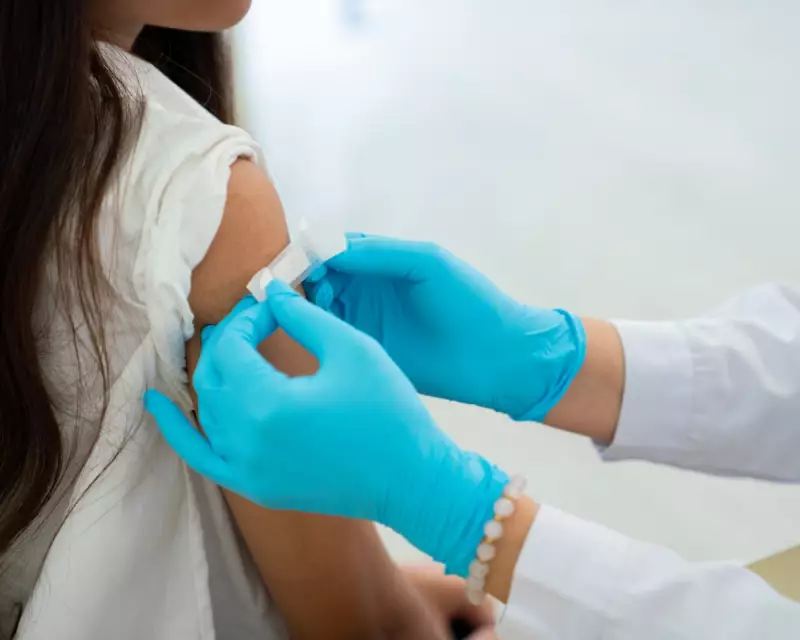
Argentina is confronting a severe public health emergency as childhood vaccination rates have plummeted to unprecedented levels, raising alarms about the potential resurgence of previously controlled diseases.
Alarming Drop in Essential Vaccinations
A comprehensive analysis of health ministry data conducted by the Argentinian Paediatric Society (SAP) has revealed that fewer than half of children aged five and six received several essential vaccine doses in 2024. The study found that all vaccines examined fell significantly below the 95% coverage threshold required to establish herd immunity.
This represents a dramatic reversal for a nation once celebrated as a Latin American leader in childhood and adolescent immunisation. While vaccination coverage has been gradually declining since 2015, public health specialists describe the speed and magnitude of the 2024 drop as unprecedented.
Concerning Statistics Across Key Vaccines
The data reveals particularly worrying figures for crucial childhood immunisations. Only 46% of five-year-olds received the MMR vaccine in 2024, compared with approximately 90% during the 2015-2019 period.
Similarly alarming declines were recorded for other vital vaccines:
- Polio vaccine booster coverage dropped from 88% to 47%
- Vaccination against whooping cough, diphtheria and tetanus fell from 88% to just 46%
Dr Alejandra Gaiano, a paediatric infectious disease specialist at SAP, emphasised the gravity of the situation: "The decline is serious. Coverage continues to fall. It has never been this low. The re-emergence of diseases that have been eliminated or controlled is the most serious issue and the greatest concern."
Economic Austerity and Access Barriers
The collapse in vaccination rates has been exacerbated by President Javier Milei's sweeping austerity programme, which has implemented a 48% real-terms cut to Argentina's healthcare budget since he took office in December 2023.
Dr Gaiano explained that difficulties now range from reduced clinic hours and diminished media campaigns to the scaling back of outreach work that previously supported Argentina's robust immunisation system. "At one time, outreach activities were carried out. Vaccinators would go door to door to vaccinate people, but these activities are decreasing. Activities used to be carried out in schools, but with the cutbacks this has become difficult," she noted.
Additional contributing factors include parents struggling with transportation costs and taking time off work, compounded by a post-pandemic rise in vaccine hesitancy.
Immediate Health Consequences
The low vaccination coverage is already manifesting in public health emergencies. Argentina is currently battling a whooping cough outbreak with cases three times higher in 2025 compared to the previous year, resulting in five child fatalities according to SAP.
The country has also reported elevated cases of hepatitis A this year and witnessed an increase in measles infections. Experts warn that the current scenario of "collective immunological fragility" not only compromises individual immunity but places public health at significant risk.
Elizabeth Bogdanowicz, an SAP infectious disease specialist, revealed that it's now common for less than 70% of children to have received their mandatory vaccines, creating conditions ripe for the return of eliminated diseases such as polio and measles.




