
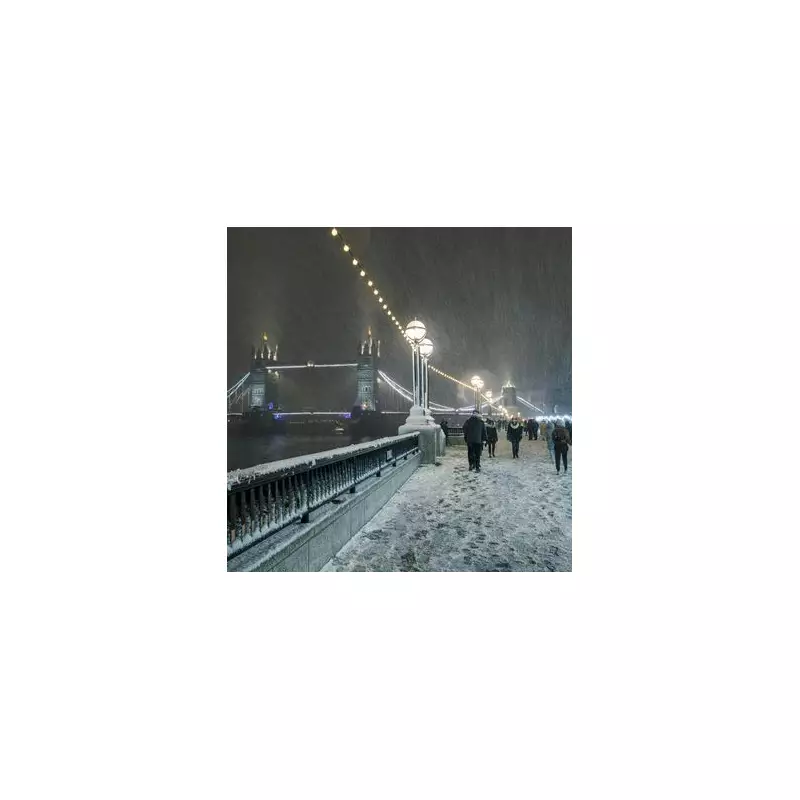
The UK Health Security Agency (UKHSA) has escalated its cold health alert to amber for large parts of England, issuing a stark warning as the first significant cold snap of the year is forecast to bring temperatures as low as minus 10 degrees Celsius.
The amber alert is active for the North East, North West, and Yorkshire and the Humber regions. For the rest of England, a yellow alert is in place. Both warnings are scheduled to remain from 12pm on Monday until 8am on Saturday.
Significant Impacts on Health and Social Care
This elevated alert level signifies that the severe weather is expected to have significant impacts across health and social care services. The UKHSA anticipates a surge in demand for healthcare, a potential drop in temperatures inside hospitals and care homes below recommended levels, and a tragic increase in fatalities.
The rise in deaths is predicted to be particularly high among individuals aged 65 and over and those with pre-existing health conditions.
Met Office Warnings for Snow and Ice
This health warning coincides with multiple yellow weather warnings for snow and ice issued by the Met Office for parts of Scotland and northern England, effective from Monday to Thursday.
Chief forecaster Paul Gundersen stated that from Tuesday, a band of rain moving into Scotland could turn to snow, with accumulations of 2-5cm possible above 150 metres and 5-10cm above 400 metres, potentially causing travel disruption.
Deputy chief forecaster Tom Crabtree highlighted that the coldest period will be from Wednesday to Friday. He warned of a "strong and very cold northerly flow" that will create a significant wind chill, making conditions feel even harsher.
He added, "Overnight, temperatures could get down to minus 10C." Snow showers are expected to extend south, with some low-lying areas in the north and east potentially seeing 2-5cm of snow. On hills in Northern Ireland, northeast England, and Scotland, accumulations of 15-20cm are possible above 300 metres.
Health Advice for the Vulnerable
In response to the plunging temperatures, the British Heart Foundation (BHF) has issued specific guidance for people with heart conditions. Ruth Goss, a senior cardiac nurse at the BHF, explained, "Cold temperatures can increase the risk of heart attacks and strokes."
The BHF recommends several key actions to stay safe:
- Keep your main living room to at least 18°C.
- Layer clothing with socks, jumpers, and blankets to trap heat.
- Stay active indoors and enjoy warming meals and healthy hot drinks.
- If you have angina, wear a scarf loosely over your mouth and nose to breathe in warmer air.
Ms. Goss also urged those with cardiovascular disease to get their free flu jab, as they are at greater risk from seasonal respiratory infections. Conditions are expected to become drier and slightly milder from Friday, but the public is advised to keep up to date with the latest forecasts.




