
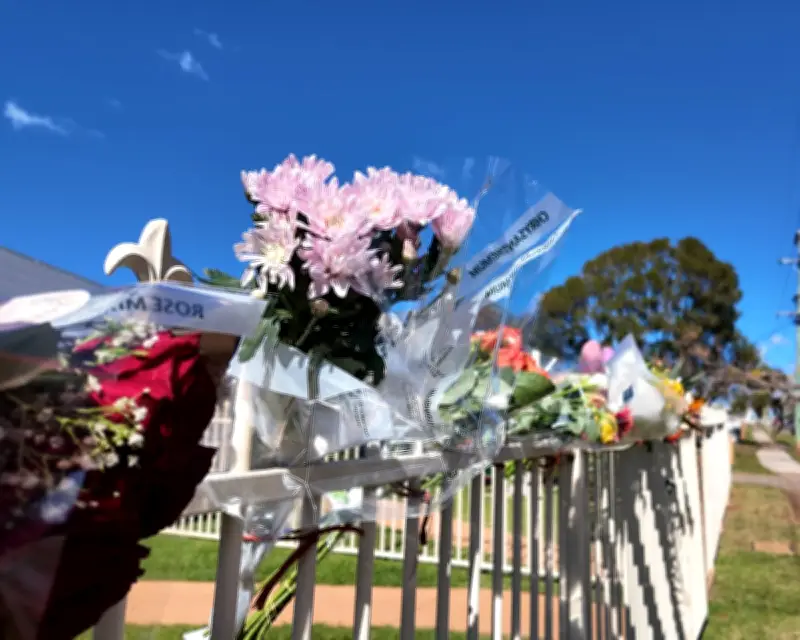
Last week alone, four women were allegedly killed by male violence in Australia, including two teenagers in Victoria. These deaths are part of a devastating pattern: every 11 days, a woman in Australia is killed by someone she trusted.
Shocking toll: 37 women and 17 children dead in 2026
According to Dr Joumanah El-Matrah, CEO of Safe and Equal, the peak body for Victorian family violence specialist services, 37 women have allegedly been killed by men across Australia in 2026. Additionally, 17 children have died as a result of violence, the youngest an eight-week-old baby. In Victoria alone, nine women have died this year.
“These are not isolated tragedies,” Dr El-Matrah wrote in a recent opinion piece. “Every single one of them should still be alive today.”
The figures are drawn from Australian Femicide Watch (37 women) and Destroy the Joint (27 women), as no complete official list exists.
System under strain: demand outpaces capacity
Specialist family violence services are “working their guts out” but are overwhelmed by demand. Dr El-Matrah stresses that the current crisis response model is failing. “We need to reach people at risk earlier: women experiencing escalating abuse, children living with violence, and people using violence who need to be held accountable and supported to change their behaviour,” she said.
Prevention requires moving beyond crisis response to a system that recognises risk and intervenes early, before violence becomes irreversible or fatal.
Election call: Victorian parties must commit to women's safety
With Victoria’s election approaching in November, Dr El-Matrah calls on all political parties to answer one question: “How will you make women safer?” She demands practical commitments in policing, housing, family violence services, early intervention, mental health, schools, and the justice system.
“Women’s safety cannot sit inside one portfolio. It is everyone’s responsibility because every part of government has a role to play,” she said.
A societal reckoning
The epidemic of violence against women is rooted in a long history of treating women as lesser, Dr El-Matrah argues. “A society will always struggle to heal when it allows violence against its own members – members vital to its survival and ability to thrive.”
She acknowledges progress hard-won over decades but insists the work must continue. “Enough is enough. Whatever our politics, wherever we live and whatever our background, surely we can agree on this: every woman deserves to come home safely.”




