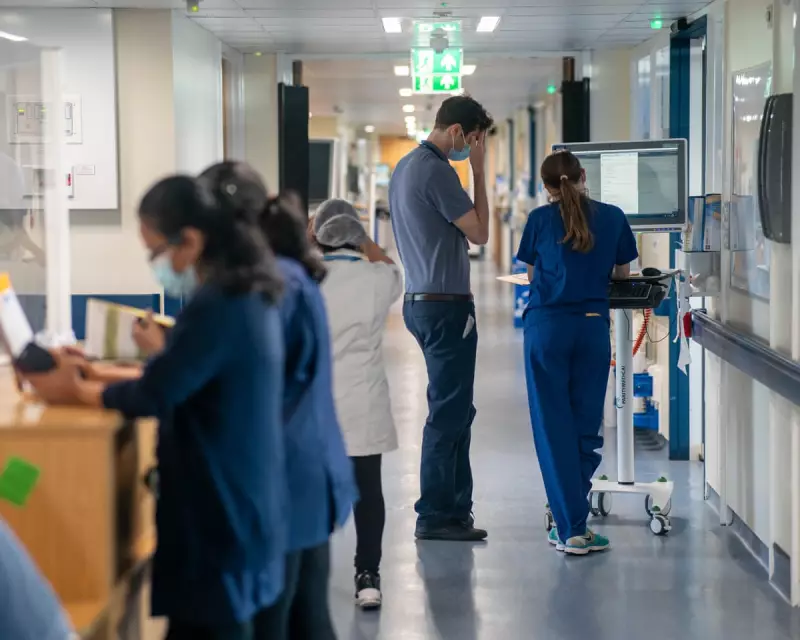
A disturbing new survey has exposed the severe pressures facing nursing staff across the United Kingdom, with two-thirds regularly working while unwell due to critical understaffing levels.
Alarming statistics reveal growing crisis
The Royal College of Nursing conducted research involving more than 20,000 nursing professionals, uncovering a healthcare system pushed to its limits. The findings show that 66% of nursing staff have worked when they should have taken sick leave, a significant increase from 49% recorded in 2017.
Stress has emerged as the predominant cause of illness among healthcare workers, with 65% of respondents identifying it as their main health concern. This represents a worrying jump from 50% just seven years ago, indicating a rapidly deteriorating work environment.

Unpaid overtime and overwhelming workloads
The survey further revealed that excessive working hours have become normalised within the profession. Seven out of ten nurses reported working beyond their contracted hours at least weekly, with approximately half (52%) performing this additional work without payment.
England's NHS is currently grappling with more than 25,000 nursing vacancies, creating unsustainable pressure on existing staff who must cover the shortfalls.
Professor Nicola Ranger, Chief Executive and General Secretary of the RCN, delivered a stark assessment of the situation. "Nursing staff are being driven to ill health by working in understaffed and under-resourced services," she stated.
"They face the impossible task of caring for dozens and sometimes over a hundred patients at a time. The reality is they're not breaking; many are already broken."
Human cost of the staffing crisis
The RCN support services are receiving an average of six calls daily from members concerned about staffing levels in their workplaces. Many describe experiencing burnout, panic attacks and nightmares directly linked to their working conditions.
The union anticipates receiving 2,175 calls related to staffing issues by year's end, up from 1,837 in 2023.
First-hand accounts from nursing staff paint a vivid picture of the crisis. One NHS staff nurse in England told researchers they had developed a chronic stress-related illness but felt unable to take time off because "the department being overwhelmed and overstretched and not wanting to add to that".
Another staff nurse working in an independent care home expressed dread about going to work knowing they would be short-staffed, inevitably requiring unpaid overtime "just to get everything done".
Professor Ranger emphasised the urgent need for intervention, stating: "These findings provide cold, hard evidence that there are simply too few nursing staff to meet growing demand. New and urgent investment is desperately needed to grow the nursing workforce."
An NHS spokesperson acknowledged the challenges, saying: "Nurses are at the heart of the health service, working hard every day to look after our patients. We recognise there is more to do to address burnout and support their wellbeing."
The Department of Health and Social Care responded by highlighting their long-term health plan and new graduate guarantee designed to improve conditions and create better job opportunities for qualified nurses.