
NHS Overhaul: Streeting's High-Stakes Gamble
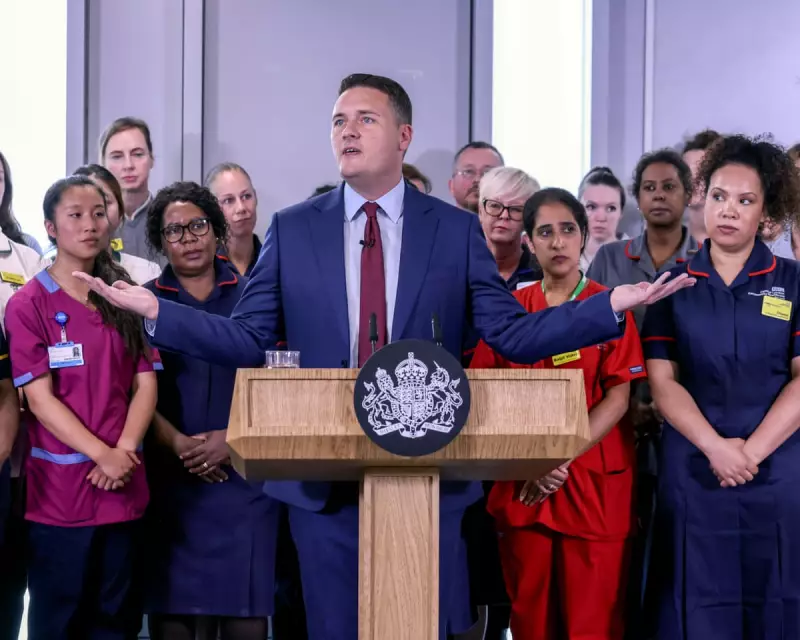
Health Secretary Wes Streeting has embarked on what could become the defining political battle of this Labour government - a comprehensive restructuring of the National Health Service that carries enormous consequences for both public health and the party's electoral prospects. Unveiling his plans at the Sir Ludwig Guttman Health & Wellbeing Centre in London, Streeting confirmed the elimination of approximately 18,000 backroom NHS positions, a move designed to save £1 billion annually for frontline services despite requiring similar upfront implementation costs.
The Waiting List Paradox
Remarkably, public perception appears disconnected from reality when it comes to NHS performance. Recent polling by the Health Foundation thinktank revealed that barely a quarter of Britons knew waiting lists had actually decreased during Labour's first year in power. More than a third believed they had continued rising, reflecting a deep-seated public pessimism about the health service's condition. This misperception matters profoundly, as waiting lists serve as an emotional barometer for the nation's overall wellbeing.
The political backdrop grew more complicated when, just days before Streeting's major NHS reform speech, someone close to Keir Starmer accused the health secretary of plotting a leadership challenge. The timing ensured Streeting's planned media appearances focused more on Westminster speculation than health policy, though he emerged from the controversy projecting an image of wounded innocence while demonstrating his media skills.
The Reform Blueprint and Its Challenges
Streeting's strategy follows clear political logic: reduce unpopular bureaucracy while boosting visible frontline care. The plan involves merging NHS England back into the Department of Health and Social Care, eliminating regional commissioning boards, and devolving power to high-performing hospital trusts. This model could potentially serve as a template for other public service reforms across government, utilizing devolution, digital tools, and artificial intelligence to deliver services more efficiently.
However, the human cost cannot be overlooked. The administrative staff facing redundancy include patient safety officers, infection control specialists, and countless middle managers who worked tirelessly throughout the pandemic. While their roles may represent inefficient use of taxpayer money, the individuals themselves bear no responsibility for the Byzantine structure within which they operated.
The reform faces multiple headwinds, including ongoing doctors' strikes, repeatedly delayed social care reforms that continue to block hospital beds, and the looming threat of a difficult winter season. Streeting's frustration became evident as he confronted resident doctors preparing for another walkout, despite receiving a 28.9% pay increase last year. He pointedly noted the British Medical Association's tendency to lobby against higher taxes for doctors while demanding increased state funding from other taxpayers.
Progress on waiting lists, though fragile, shows some encouraging signs. After Rachel Reeves allocated funds for two million additional NHS appointments in her first budget, waiting lists fell in May for the first time in seventeen years. Though they increased again in August due to summer heatwaves and strike action, September brought another decline. Currently, 61.8% of patients receive treatment within 18 weeks of referral, with NHS executives targeting 65% by March and 92% by 2029 - matching the standard achieved during the Blair government but consistently missed over the past decade.
Recent modelling from the Health Foundation suggests Streeting might fall only marginally short of his targets. However, achieving success requires surpassing the Blair government's progress with tighter budgets, while simultaneously managing a complex institutional reorganization, confronting disaffected doctors, and facing potential rebellion from his own backbenchers over controversial aspects of the ten-year plan, particularly regarding commercial use of health data.
The stakes extend far beyond healthcare delivery. If Streeting's reforms succeed, they could demonstrate that governments remain capable of meaningful change, that tax spending can yield tangible benefits, and that conventional politics can still solve pressing problems. Reducing waiting lists might also defuse immigration-related grievances by showing that systemic issues, rather than newcomers, cause healthcare access problems.
Ultimately, this high-wire act represents more than just health policy - it's a test of whether the Labour government can rebuild public trust in institutions and governance itself. If Streeting can navigate these turbulent waters while maintaining his characteristic cheerfulness, he may well position himself for higher office. If he fails, the consequences could extend far beyond his own political career to threaten both the NHS and Labour's governing credibility.




