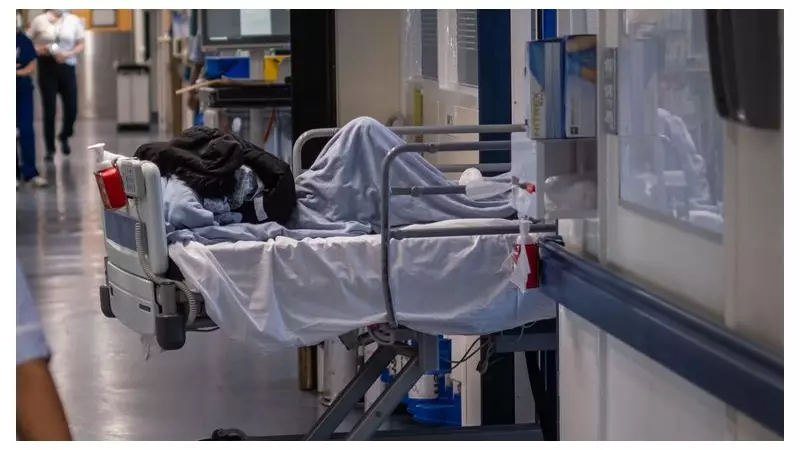
Hospital patients across England are being "set up to suffer" this winter, nursing leaders have starkly warned, with fears that last year's "horrendous" scenes of vulnerable people waiting in corridors will be repeated.
"Insufficient Urgency" to Tackle Dignity Crisis
The Royal College of Nursing (RCN) has issued a new briefing, stating there has been "insufficient urgency" to address the problem of patients being treated in "undignified" circumstances. The union says bed capacity has remained unchanged since before the COVID-19 pandemic, while occupancy is at levels considered unsafe.
Official data reveals the scale of the challenge: in October, 54,314 people waited more than 12 hours in A&E from a decision to admit them to actually being admitted. This marks a sharp rise from 44,765 in September.

Staff Voice "Deep Concern" Ahead of Flu Season
Frontline staff have shared distressing accounts with the RCN. A senior nurse from a London emergency department reported seeing record numbers of patients, "many arriving sicker" and requiring treatment in corridors. Another from the South West described the situation as "heart-wrenching".
A chief nurse in southern England added: "All of this is happening just as the flu peak is expected, with vaccine uptake lower than hoped. Starting winter from this position has left many of us deeply concerned about what lies ahead for both staff and patients."
Looming Strike Action Threatens to Deepen Crisis
The NHS, already braced for a difficult winter, faces a further major disruption. An NHS England spokesperson said efforts to improve the situation would be made "much more challenging" by junior doctors planning to walk out. Strike action is scheduled from 17 to 22 December, in the direct run-up to Christmas.
In response, a Department of Health and Social Care spokesperson stated it was "unacceptable and undignified" for any patient to receive care in a corridor. They pointed to a £450m government investment to expand urgent care, upgrade ambulances, and deliver new mental health crisis centres.
However, RCN Chief Professor Nicola Ranger concluded grimly: "Nursing staff and patients alike endured a horrendous winter last year, with corridor care rife across every service. Worryingly, after no respite in the summer, the signs point to the coming colder months being devastating and more dangerous for patients."