Hundreds of thousands of patients across England are facing potentially life-threatening delays in receiving crucial diagnostic tests for serious conditions including cancer and heart disease, according to a damning new analysis.
Alarming Scale of Diagnostic Delays
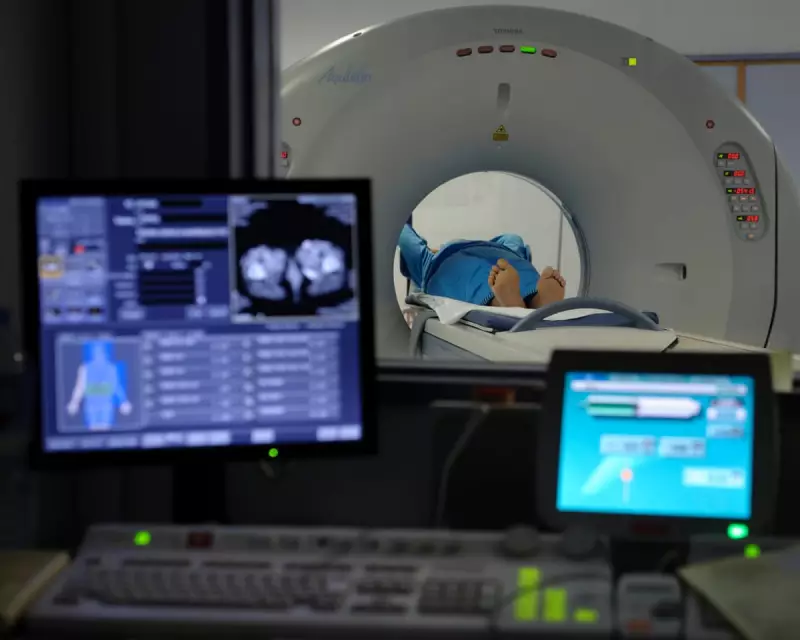
Recent data examined by the Royal College of Radiologists has uncovered that 386,849 people in England endured waits exceeding six weeks for essential medical scans during September alone. These delays affect tests that are vital for detecting killer diseases early, when treatment is most effective.
The situation has become so severe that nearly half of all NHS trusts - approximately 46% - are currently failing to meet the six-week target for diagnostic testing. This widespread failure comes despite NHS England's directive that by 2027, no more than 20% of patients should experience such extensive waiting periods for critical scans like CT and MRI.

Patient Impact and Health Consequences
Dr Stephen Harden, President of the Royal College of Radiologists, expressed grave concern about the findings. "These chronic and widespread delays for tests are highly alarming," he stated. "Far too many patients are facing long, anxious waits for answers about their health."
The affected diagnostic procedures include:
- Ultrasound scans
- Dexa scans for osteoporosis detection
- Hearing examinations
- Echocardiograms for heart conditions
- Barium enemas and colonoscopies for bowel cancer diagnosis
Dr Harden emphasised the direct link between diagnostic delays and patient outcomes, noting that evidence shows a 10% increase in mortality risk for every month that cancer treatment is postponed. "Some cancers, such as lung cancer, require multiple tests and scans to properly diagnose them, so delayed access to tests can have devastating consequences," he explained.
Systemic Challenges and Government Response
The current crisis reflects deeper systemic issues within the NHS diagnostic services. Officially, NHS trusts are supposed to ensure that no more than 1% of patients wait beyond six weeks for testing, but this target hasn't been met since 2015.
The situation persists despite substantial investment in community diagnostic centres and surgical hubs. The public accounts committee recently highlighted that delays in accessing diagnostic tests and treatment have not decreased, raising questions about the effectiveness of current initiatives.
A Department of Health and Social Care spokesperson responded: "We are reforming our NHS and we are making good progress, with waiting lists down and around 193,000 more patients getting a cancer diagnosis or the all-clear on time in the last 12 months compared to the previous year."
The spokesperson added that the government remains "determined to improve cancer care through the upcoming national cancer plan," acknowledging that more work is needed to address the ongoing challenges in diagnostic services.