
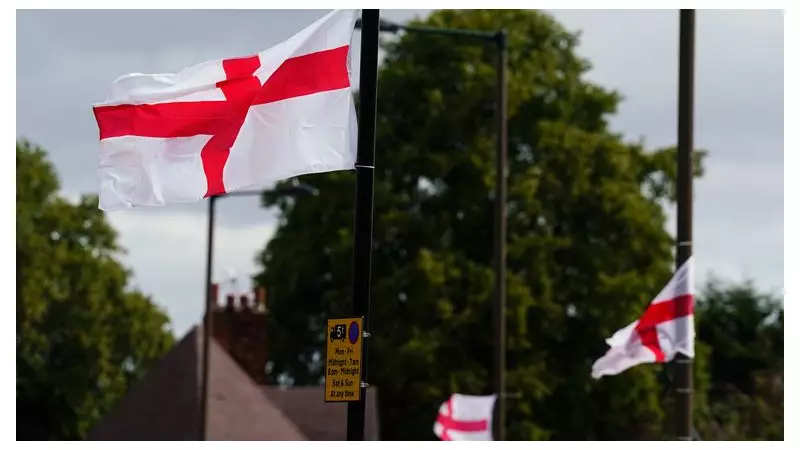
National Symbols Creating 'No-Go Zones' for Healthcare Workers
Senior NHS leaders have issued a stark warning that the display of St George's flags across communities is creating intimidating 'no-go zones' for healthcare staff. Trust executives report that medical workers, particularly those from black and Asian backgrounds, feel deliberately targeted by the national symbols when conducting home visits.
The concerns emerged from a survey of NHS senior managers, with 45% expressing extreme concern about discrimination towards staff. One trust leader, speaking anonymously, highlighted the particular vulnerability of community nurses who regularly visit patients alone in their homes.
'Real Bravery' of Frontline Staff
The anonymous trust leader described the challenging conditions faced by community nursing staff. "You're going in on your own, you're locking the door behind you," they explained. "I have been into homes with people who have been convicted of sex offences, and we go in and provide care to them."
They praised the clinical autonomy and decision-making of nurses working in these "precarious" situations, describing their performance as "fantastic." However, they emphasised how the flag displays had compounded existing challenges.
"We saw during the time when the flags went up - our staff, who are a large minority of black and Asian staff, feeling deliberately intimidated," the leader stated. "It felt like the flags were up creating no-go zones. That's what it felt like to them."
The trust leader highlighted the "real bravery" of staff continuing to work in environments that "feel like they're designed to exclude them," adding that these healthcare professionals deserve "real praise and thanks as a nation" for persevering in difficult circumstances.
Patterns of Intimidation and Abuse
Another NHS trust leader shared a concerning incident involving a white staff member with children of mixed heritage. When she asked people putting up flags to move so she could park her car, they filmed the interaction, followed her, and subjected her to several days of abuse.
"There are lots of stories where people have tried to take flags down outside of their own homes and have been abused and threatened as a consequence of that," the leader revealed.
They described how the "springing up of flags everywhere has created another form of intimidation and concern for many, many of our staff," indicating this represents a broader pattern affecting healthcare delivery.
Daniel Elkes, chief executive of NHS Providers, emphasised the importance of the NHS's diverse workforce, stating: "We have a really diverse workforce and without that you can't deliver the NHS." He noted that the health service actively recruits from the communities it serves to ensure representation.
Professor Nicola Ranger, the Royal College of Nursing's general secretary, connected the issue to wider social tensions, saying: "Following a summer of further racist disorder, it is little wonder a growing number of nursing staff report feeling unsafe."
She called on the government and all politicians to "stop pandering to dangerous anti-migrant sentiments" and urged employers to prioritise tackling racism while developing stronger protection mechanisms with trade unions.
A Department of Health and Social Care spokesperson responded that there is "no place for intimidation, racism or abuse in our country or our NHS," advising that threats should be reported to police. They acknowledged the value of NHS diversity while stating that flags "represent our history, our heritage, and our values" and "belong to all of us - not just some of us."
These findings come ahead of planned strike action by resident doctors over pay and jobs, scheduled to begin on Friday for five days.




