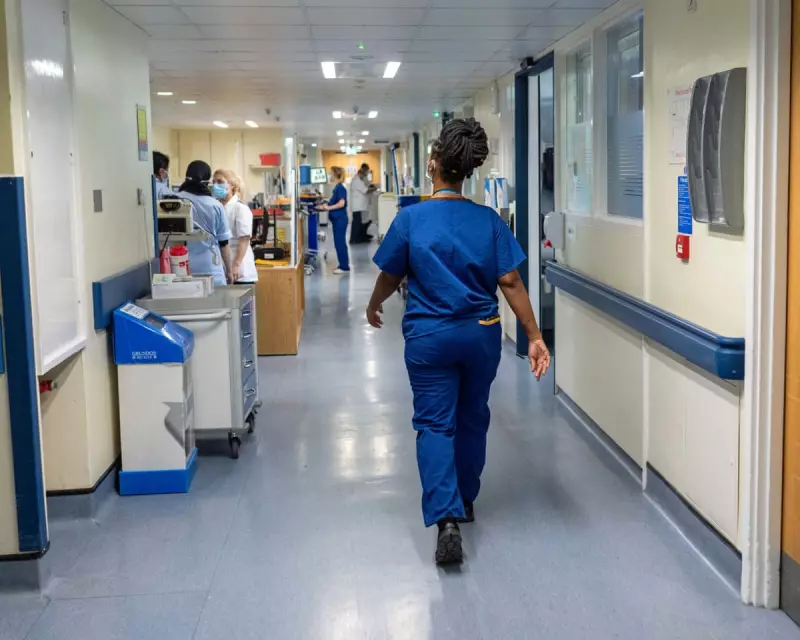
The Royal College of Nursing has declared an emergency over the escalating violence directed at NHS staff in England, with new data revealing a shocking daily toll of assaults.
A Disturbing Daily Reality of Assaults
Freedom of Information requests have uncovered that an average of 285 attacks on hospital staff were reported each day during the 2024-25 period. This sharp increase paints a grim picture of the working environment for frontline healthcare workers. Prof Nicola Ranger, the RCN's General Secretary, has rightly labelled the situation an emergency, demanding immediate ministerial intervention.
First-hand accounts from staff are harrowing. One A&E nurse reported seeing weapons brandished on a monthly basis. In deeply disturbing incidents, she described two separate occasions where male patients deliberately ejaculated on nurses while awaiting treatment. The threat is not confined to junior staff; a retired consultant revealed he was violently assaulted twice within a matter of weeks.

Racism and a Fraying Social Contract
The crisis is compounded by a worrying surge in racist incidents. The NHS's diverse workforce finds itself on the frontline of rising anti-migrant sentiment. Health Secretary Wes Streeting expressed profound shock in November at the impact of resurgent "1970s-, 1980s-style racism" on the health service.
This aggression forms part of a wider, disturbing pattern affecting teachers and other public-facing professionals. While the updated Employment Rights Act will strengthen duties on employers to prevent sexual harassment, the unique challenge within healthcare remains. Managers face impossible dilemmas when dealing with patients who threaten or abuse the very staff trying to treat them.
The Consequences of Inaction
The repercussions of this violence are severe and far-reaching. Beyond the immediate trauma to individuals, entire departments suffer when victims require time off or when wards must be closed to isolate a violent patient. Patient satisfaction has plummeted to a record low of 59% dissatisfaction, and while frustration with an overstretched system is understandable, it cannot excuse the current disgraceful levels of hostility.
A workforce that becomes inured to abuse experiences plummeting morale, which inevitably degrades the overall quality of service. There is already alarming evidence that recruitment is being hit. Between April and September last year, there was a sharp drop in the number of overseas nurses and midwives joining UK registers compared to the previous year. Fears are also growing that the NHS sexual safety charter, designed to improve reporting of misconduct, is being ignored.
While a return to outdated, rigid hierarchies is not the answer, the current climate where people feel entitled to abuse staff or bully their way to the front of queues is deeply damaging. Mr Streeting must now take a decisive lead, empowering staff to uphold standards and ensuring police deal effectively with violent offenders. The social contract, symbolised by the NHS, is stretched and frayed, but with concerted action, it can be mended.