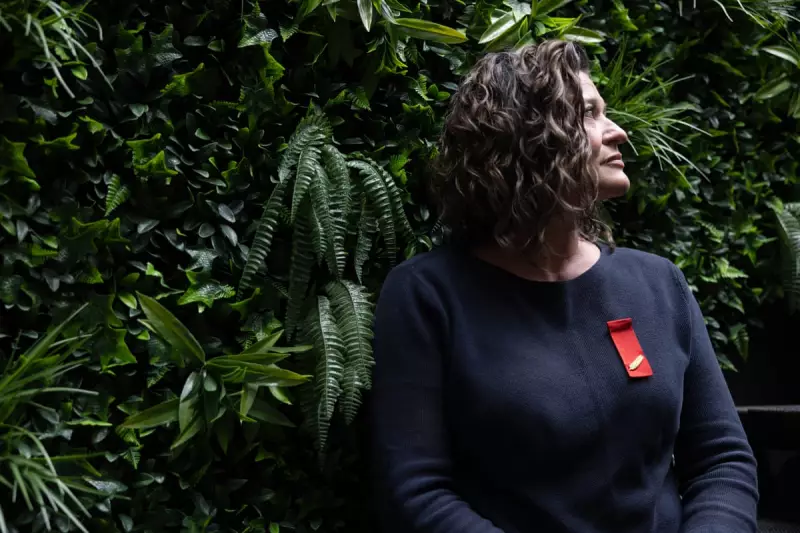
The acrid smell of burning flesh and pulverised concrete is a memory forever etched into Anneke Weemaes-Sutcliffe's mind. On 22 March 2016, the Australian expatriate was about to check in for a flight at Brussels Airport when Islamic State suicide bombers detonated two nail bombs in the departure hall. Miraculously unhurt, she initially fled after the second blast erupted just metres away. Then, in a split-second decision that defined her as a hero, she turned back.
The Aftermath of Bravery
The scene was one of utter devastation: screams, alarms, and a thick, choking dust filled the air where the ceiling had collapsed. Without a second thought, Weemaes-Sutcliffe crawled over debris and bodies to reach the wounded. She used makeshift tourniquets to stem catastrophic bleeding, offered comfort to the mutilated, and even called victims' loved ones to deliver the terrible news.
In the wake of mass violence, society instinctively seeks out such stories of ordinary courage—a vital counter-narrative to the horror. From off-duty nurse Lynne Beavis running towards gunfire during the 1996 Port Arthur massacre, to Ahmed al-Ahmed wrestling a rifle from a shooter during last month's deadly Bondi beach attack, these flashes of humanity become powerful symbols of hope.
Some are immortalised by the everyday objects they wielded, like Damien Guerot ('Bollard Man') who confronted the Bondi Junction attacker in 2024, or Michael Rodgers ('Trolley Man') who used a shopping trolley to fend off a knife attacker in Melbourne in 2018.
The Long Shadow of Trauma
But what becomes of these accidental heroes once the media spotlight dims and the awards are handed out? For Weemaes-Sutcliffe, who received an Australian Bravery Commendation a year after the attack, the recognition did little to alleviate her trauma.
"You question every single detail – it’s like, could I have done more?" she says, recalling the agonising moment she had to leave a man pinned under a beam she couldn't lift. "I had to turn around and leave him there to die."
Her experience is far from unique. Dr Thomas Voigt, who studied the consequences of heroism for his PhD, interviewed 24 Australian bravery award recipients. His research revealed that nearly 90% were either diagnosed with PTSD or displayed its symptoms. A third suffered financial hardship due to being unable to work.
"Generally speaking, there’s lots of media attention and lots of hype, you get your award but then there’s nothing," says Voigt, who himself received a bravery medal after disarming a gunman in 1998 and still lives with PTSD. He found that 71% of those he interviewed received no formal support after their act of courage.
Life in the Spotlight and Beyond
The public's need to crown heroes after traumatic events is a deep-seated psychological impulse, says University of Sydney academic Professor Catharine Lumby. It helps process chaos and restore a sense of moral order. However, this narrative can compress complex individuals into one-dimensional symbols, forever tying their identity to a single, horrific event.
Dr Fiona Reynolds, who researched how people survive trauma in the media spotlight, points to Stuart Diver, the sole survivor of the 1997 Thredbo landslide. He was swiftly elevated to hero status while grieving the loss of his wife and 17 others. "It was an extraordinarily uncomfortable label for him," Reynolds notes, highlighting how such 'accidental celebrity' can compound trauma.
The intense focus inevitably fades. "One day everybody wants to know you, the next everybody wants to know somebody else," says Reynolds. This shift can leave some feeling discarded and unimportant after being made to feel special.
Finding Growth Amidst the Pain
Yet, alongside the profound psychological injury, there can also be post-traumatic growth. For some, this manifests as a new drive to pursue passions or complete a bucket list. For Anneke Weemaes-Sutcliffe, it is a hard-won, deeper appreciation for life's small joys.
"After the bombings, I probably wished I hadn’t gone back in, because I fucked up my life," she admits, describing years of intrusive memories and guilt. "But now life is good... I think, shit, I probably would have never been in a position to appreciate this as much as what I do if I hadn’t gone through that."
Her reflection underscores the complex duality faced by those who act in our darkest moments: they carry lifelong scars, but some also forge a resilient, more profound connection to the fragility and value of everyday existence. The challenge for society is not just to celebrate their bravery, but to provide the sustained support they need long after the headlines have faded.