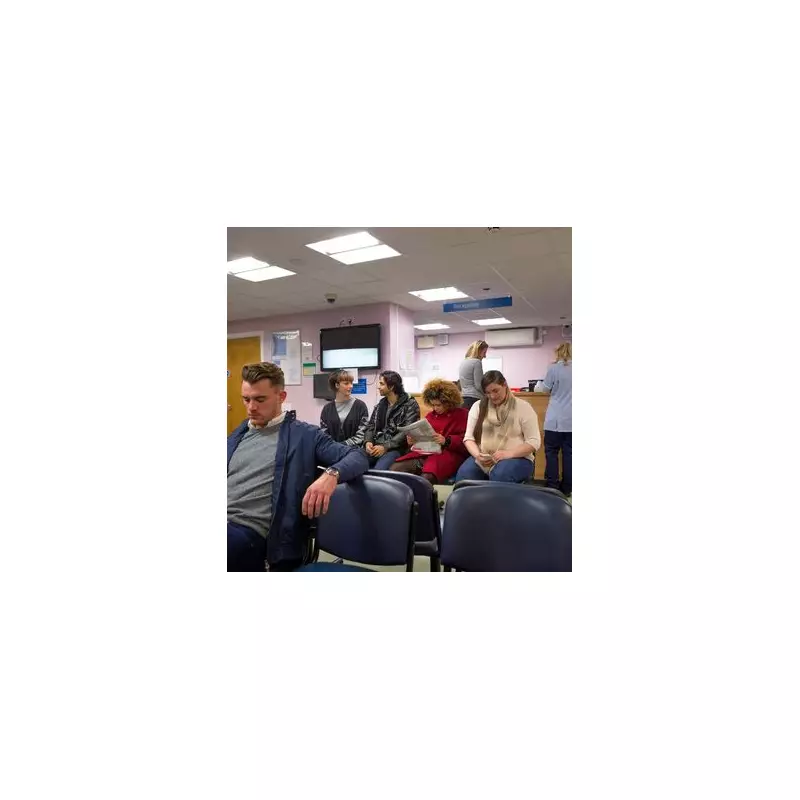
Health officials have issued a stark warning after new figures revealed that more than 200,000 people attended Accident and Emergency departments in England last winter for minor conditions that could have been treated elsewhere.
A&E "Under Siege" from Minor Complaints
Data from NHS England shows that between November 2024 and March 2025, emergency departments were inundated with cases that should typically be managed by GPs, pharmacists, or other primary care services. The health body stated that A&Es are effectively "under siege from hiccups and ingrowing toenails".
The statistics are striking. Staff treated 96,998 patients for sore throats and nearly 84,000 for earache. Furthermore, there were over 6,000 cases of blocked noses, 8,669 attendances for itchy skin, and 384 people sought help for hiccups. Even 3,890 cases of ingrowing toenails were seen in A&E during this period.

Health Leaders Urge Public to Choose Services Wisely
The figures have been released alongside a new NHS campaign aimed at guiding the public to the most appropriate service for their needs. The campaign emphasises that A&E departments are "busier than ever" and should be reserved for genuine, life-threatening emergencies.
Speaking on Good Morning Britain, Health Secretary Wes Streeting reinforced this message, stating: "A&Es should be accident and emergency, not anything and everything." He warned that the coming months could be "one of the busiest ever" for NHS staff, citing soaring flu cases and significant pressure across emergency services nationwide.
Winter Pressures Compounded by Industrial Action
Mr Streeting and NHS leaders expressed deep concern about the combined impact of seasonal illness and planned industrial action. The Health Secretary specifically criticised the British Medical Association's decision to stage a five-day walkout by junior doctors, scheduled to begin on December 17.
He described the strike as a "dangerously reckless decision" that would cause "real anxiety for patients and their families" in the run-up to Christmas and place additional strain on the health service.
Julian Redhead, NHS England's National Director of Urgent and Emergency Care, explained the strategy to manage demand. "The last place a patient wants to be when they have a minor illness is in a busy A&E," he said. "This winter NHS staff are working hard to expand the number of routes into the NHS so patients can get fast and convenient care closer to them."
He highlighted that care is available through various channels, including online, over the phone, and in-person at pharmacies, GP practices, and Urgent Treatment Centres. Mr Redhead added a final plea for public cooperation: "It's more important than ever that patients are getting the care they need in the most appropriate place."