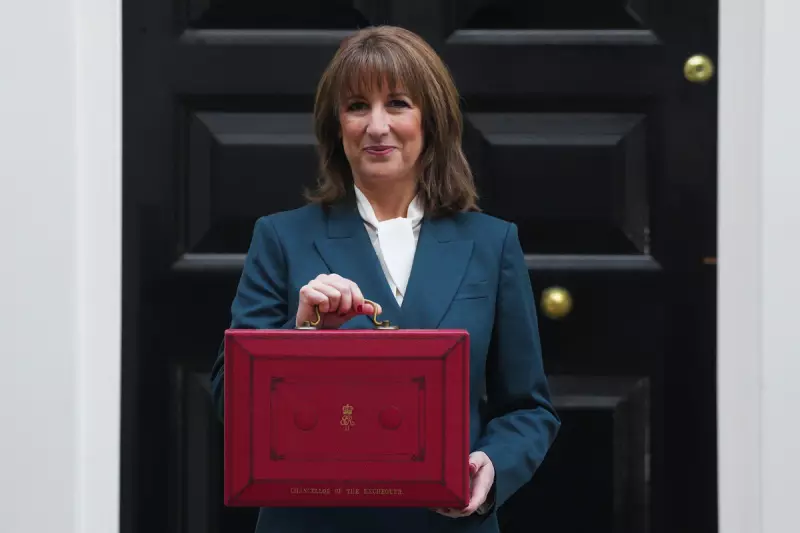
Chancellor Rachel Reeves has announced a substantial transformation of the National Health Service in her Autumn Budget, committing to faster local treatment and a significant technological upgrade.
The centrepiece involves establishing 250 new Neighbourhood Health Centres, designed to integrate GP services, nursing, dentistry, and pharmacy under single roofs, with a particular emphasis on serving deprived communities.
Local Care Revolution
Reeves stated the government is "renewing our national health service" through a strategy focused on reducing waiting lists while bringing services closer to where people live. "We're driving down waiting lists by bringing healthcare to patients' doorsteps," she declared.

These new centres will initially prioritise improving access to general practice and providing dedicated support for patients managing complex, long-term conditions like diabetes and heart failure. The initiative aims to gradually expand its service offerings over time.
The fundamental objective is to eliminate the postcode lottery in healthcare provision by delivering more outpatient services outside traditional hospital settings. This shift is expected to free up valuable clinical capacity within hospitals for more critical cases.
Technology Investment for Modern Healthcare
Alongside the physical infrastructure, Reeves confirmed a £300 million investment in NHS technology. This funding is specifically targeted at boosting staff productivity by automating administrative duties.
The capital will support digital tools that improve access to patient records and enhance communication between clinical teams. "Our record investment, combined with ruthless efficiency and reform, will deliver the better care and better outcomes our NHS patients deserve," the Chancellor emphasised.
This technological push builds on existing momentum, with hospital productivity already increasing by 2.4 percent this year. The Treasury projects these efficiency gains could unlock £17 billion over the next three years for reinvestment into frontline patient care.
Proven Results and Future Focus
Health technology suppliers point to successful pilot programmes, such as Philips' remote-support MRI scheme, as evidence that digital innovation can effectively expand capacity and reduce patient waiting times.
The Chancellor also highlighted that NHS waiting lists have decreased by 230,000 since Labour took office, though she acknowledged that median waiting times remain a crucial concern for patients across the country.
Reeves stressed that these targeted investments in both neighbourhood health centres and digital infrastructure are essential for delivering sustainable, long-term improvements throughout the health service, ensuring the NHS can meet future challenges.