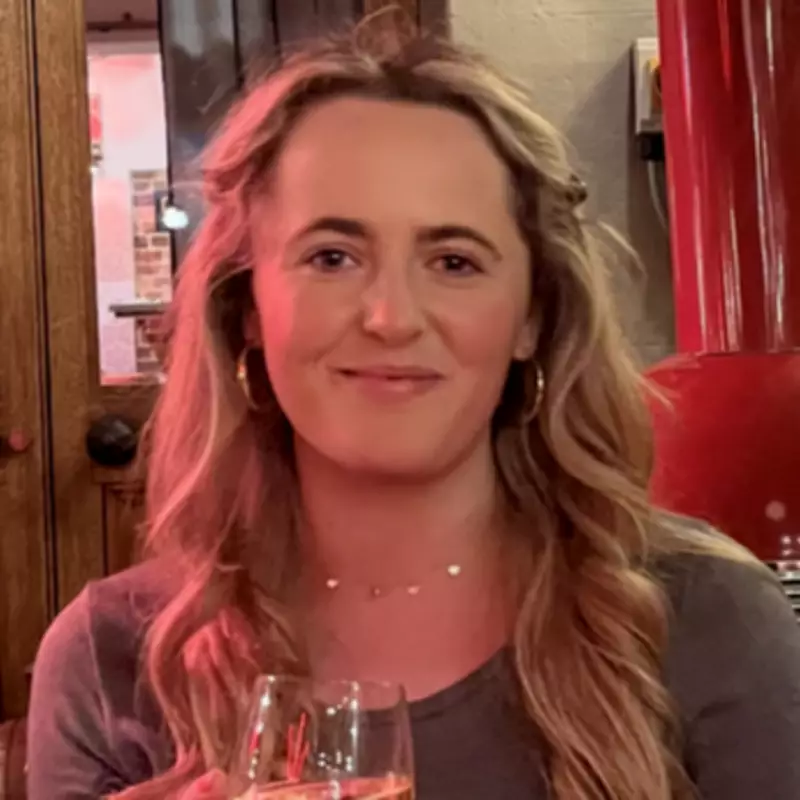
Tilly Hartley, a 25-year-old from Putney, has seen her life turned upside down by a severe skin condition that leaves her skin peeling daily. After years of using steroid creams to manage eczema flare-ups, she stopped the treatment and experienced a dramatic worsening of symptoms. She now believes she is part of a growing community of people suffering from Topical Steroid Withdrawal (TSW), a condition that remains poorly understood by many medical professionals.
A Vicious Cycle of Steroid Use
For years, Tilly relied on steroid creams to clear occasional eczema patches. The creams worked quickly, but the condition kept returning, leading her doctor to place the cream on repeat prescription. However, NHS guidelines advise against such long-term repeat prescriptions without regular monitoring, which Tilly says she never received. She fell into a routine of picking up more cream as needed.
About two years ago, things changed. Tilly noticed the cream was no longer effective on her hands. Encouraged by her boyfriend, she decided to stop using it temporarily. “From there, things just got worse and worse,” she said. Even though she never applied the cream to her face, her face became tight, like sunburn, and her usual moisturizer began to sting.
Escalating Symptoms
Her condition escalated rapidly. “I would wake up in the morning and my whole face would be peeling off,” she recounted. The peeling became a daily occurrence, accompanied by a body rash. By November, her skin deteriorated further. Her entire body became unstable, shedding dead skin constantly. She had to vacuum her bed and floor every morning to remove the flakes.
The situation became so dire that Tilly moved back in with her parents for care. Together, they researched her symptoms but remained unsure whether it was TSW or severe eczema. Doctors were equally perplexed.
Struggles with Medical Care
Referred to a dermatologist in August, Tilly was told the earliest appointment was February. A private dermatologist charged £340 for a 20-minute session. In December, she moved back to London after securing a private NHS appointment. “I was really self-conscious because I literally looked like a raccoon,” she said. The dermatologist prescribed an even stronger steroid cream for her whole body, which she refused. He denied she had TSW, claiming it only occurs with extensive steroid use over a long period.
He then recommended methotrexate, an immunosuppressant. Tilly hesitated due to its side effects. “It’s basically a small dose of a cancer drug,” she explained. It provided minimal relief, so she stopped taking it.
Impact on Life and Relationships
During a family holiday to India and the Maldives, Tilly’s condition worsened. She cried daily and struggled to move due to pain. At her boyfriend’s brother’s birthday party, her skin began leaking fluid, leaving her bright red and feeling flu-like. They had to leave early.
The condition has strained her relationship and career. “We struggle to go out and do anything,” she said. She spends much time in the bath, avoids drinking, and her boyfriend handles all housework. She has not been to the office in over seven months, managing only the bare minimum at work.
Growing Awareness of TSW
Topical Steroid Withdrawal was recognized by the UK’s medicines watchdog, the MHRA, in 2021. Tilly believes she has TSW but finds the lack of awareness most challenging. She is part of a growing group of sufferers who share their stories on TikTok, though some face negative comments denying TSW’s existence.
A social media page, @tswtogether, now organizes meet-ups for those affected. Tilly hopes her upcoming dermatologist appointment will finally provide answers and solutions for her debilitating condition.