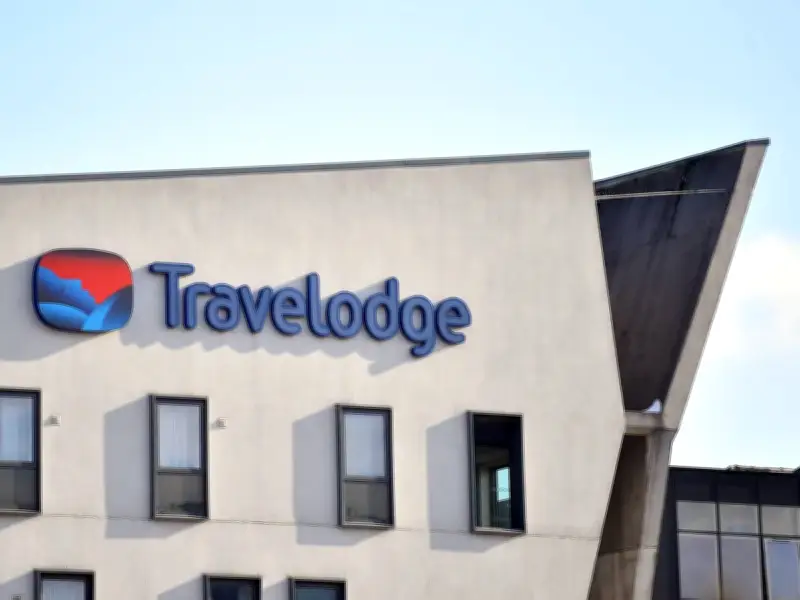
A woman who was attacked in her Travelodge hotel room after reception staff handed her abuser a key has described the ordeal as one of the most “traumatic nights” of her life. The domestic violence victim, who has not been named, told the BBC she was staying at a Travelodge in London in October last year when the incident occurred.
Hotel staff gave abuser access to victim's room
The woman said she had booked the room for a “night away from the fear” following a period of abuse. However, her attacker reportedly walked into the hotel and told the receptionist that his girlfriend was upstairs having a seizure. He asked for her room number and floor, and staff handed him a key, directing him to her room.
Once inside, he physically attacked her and tried to grab her phone. She managed to convince him to leave, but he returned and became more aggressive. “Not long afterwards, I heard him knocking at the door. He was banging, shouting. He was just getting more and more aggressive,” she said. “I was terrified. I was hoping that he was going to stop, but instead, he kicked the hotel room door completely off the hinges.”
Victim describes lack of support from receptionist
The woman said she went downstairs “shaking” and “begging for help”. She added: “I think the receptionist just panicked. She didn’t call the police. She didn’t check if I needed any medical attention. She didn’t ask if there were any family members I could call, anyone that I needed. She just offered me a room, another room in the hotel.”
The Press Association understands that the individual provided the guest’s full name and room number at reception, which may have contributed to the staff’s decision to issue the key.
Travelodge apologises and says policies have been strengthened
In response to the woman’s reports, a Travelodge spokesperson said: “We are deeply sorry for the significant distress experienced by the customer and we apologise for the way the incident has been handled. Customer safety and security is – and remains – a priority for us. Any case of an unauthorised person entering a guest’s room is a significant cause for concern and we want to be clear that this should not have happened. Our room access security policies at the time were not correctly followed, which is not acceptable.”
The spokesperson added: “Earlier this year, we made changes to strengthen our room access security policy and incident escalation procedures, supported by training for all of our customer-facing colleagues.”
MP calls for CEO to step down over safety failures
The case echoes a similar incident in Maidenhead, Berkshire, in December 2022, when Kyran Smith attacked a woman after being given a key to her room. Smith was jailed for seven-and-a-half years in February. Travelodge chief executive Jo Boydell previously said immediate changes were made to its room access security policy after Smith’s sentencing.
However, Freddie van Mierlo, MP for Thame, Oxfordshire, where the chain’s head office is based, said changes have not gone far enough and called on Ms Boydell to step down. He told BBC Breakfast that Travelodge cannot thrive if it cannot “get to grips with the most basic of responsibilities”, adding it needs to make “wholesale deep changes” to how it operates.
Mr van Mierlo said: “If a company is failing in its most basic duty to look after the safety of its guests, and we’ve heard the most horrific cases come forward, undermining the trust in the hotel industry, we’ve seen women, people feeling unable to stay in a hotel into the future, I think that does require accountability.” He added: “I don’t think the changes that have taken place to date have been sufficient, that’s evident, and that’s why I think there needs to be a change at the top, because, ultimately, culture and safety needs to come from the very top of the company.”
New measures require explicit guest permission for keys
In line with the changes, explicit permission is now required from guests before additional or replacement keys are issued for their room. This builds on Travelodge’s existing policy to never confirm to a third party that a guest is staying at one of its hotels.