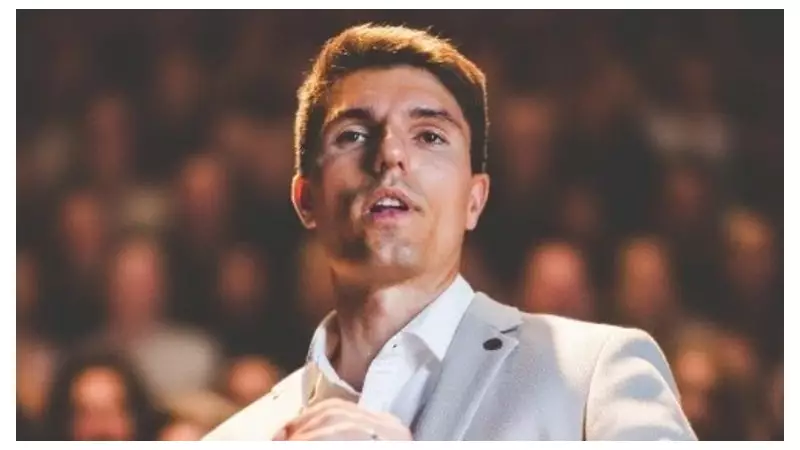
Have you ever wondered what drives people to cheat in relationships or how much relationship coaches actually earn? This week, the Money blog team sits down with renowned relationship coach Lorin Krenn to uncover the truth behind these pressing questions.
The Lucrative World of Relationship Coaching
When it comes to earnings in relationship coaching, the financial landscape varies dramatically. Many beginners earn very little during their initial years as they navigate this complex field. However, once coaches develop genuine expertise and build a solid client base, annual incomes typically range between £40,000 and £60,000.
Specialisation proves crucial for higher earnings. Coaches who develop niche expertise and structured programmes often reach the £70,000 to £100,000 bracket. At the elite level, where coaches become recognised authorities with global reach, earnings can skyrocket to multiple six figures and even seven figures annually.
Krenn explains that high-end private coaching sessions can command thousands of pounds, particularly for intensive programmes. "Clients aren't paying for the coach's time," he emphasises. "They're investing in mastery, depth, efficiency and the ability to facilitate rapid transformation."
The Real Reasons Behind Infidelity
When it comes to cheating, Krenn reveals that the causes often run deeper than surface-level explanations. Unresolved self-worth issues and a profound need for validation frequently drive infidelity. Some individuals struggle to receive love, feeling unworthy even when with a loving partner, leading to unconscious self-sabotage.
"It's rarely about the other person," Krenn states. "It's about the unresolved relationship with oneself." However, he confirms that repairing relationships after cheating is possible through radical honesty and full responsibility from the unfaithful partner.
Essential Tips for Healthy Relationships
Krenn shares three fundamental principles for maintaining strong partnerships. First, stop expecting your partner to eliminate all your pain. Relationships naturally surface issues from two different histories and values meeting - the key is growing closer through these challenges rather than shutting down.
Secondly, abandon the blame game and take full responsibility for your own behaviours. Initiate genuine repair when you cause hurt and practice deep listening without waiting for the other person to change first.
Finally, prioritise your relationship above all else. Make it clear that your connection comes first, as allowing disconnection to linger rapidly erodes safety and intimacy.
Regarding common couple conflicts, Krenn notes that arguments about household chores rarely concern the tasks themselves. "They symbolise deeper emotional patterns," he explains. "The argument is usually about feeling unsupported or disconnected." The solution lies in addressing the underlying emotional dynamic rather than focusing on practical details like dishwasher loading.
Red Flags and Financial Stress
In established relationships, Krenn identifies several warning signs including secrecy, chronic irresponsibility and using money as a control mechanism. He stresses that transparency remains non-negotiable for healthy partnerships.
Financial stress frequently emerges as a couple's issue, though Krenn clarifies that money problems rarely concern the finances themselves. "Money represents safety and security," he notes. When both partners face financial pressure, their bodies enter stress states that complicate intimacy. Hidden spending, financial manipulation and resentment about earning disparities all indicate deeper relationship issues with money that require honest examination.
Before becoming a relationship coach, Krenn worked as a personal trainer specialising in functional strength and group classes. While fitness sustained him, it never represented his deepest passion. Today, he works 40-60 hours weekly through coaching, writing books, teaching and leading global programmes, finding his work so fulfilling that it rarely feels like labour.
The relationship coaching field remains unregulated, meaning many practitioners lack genuine experience or clear frameworks. Krenn trained across multiple disciplines including shamanic work, modern somatic practices, men's work and certified hypnotherapy before developing his own methodology through years of working with individuals and couples.