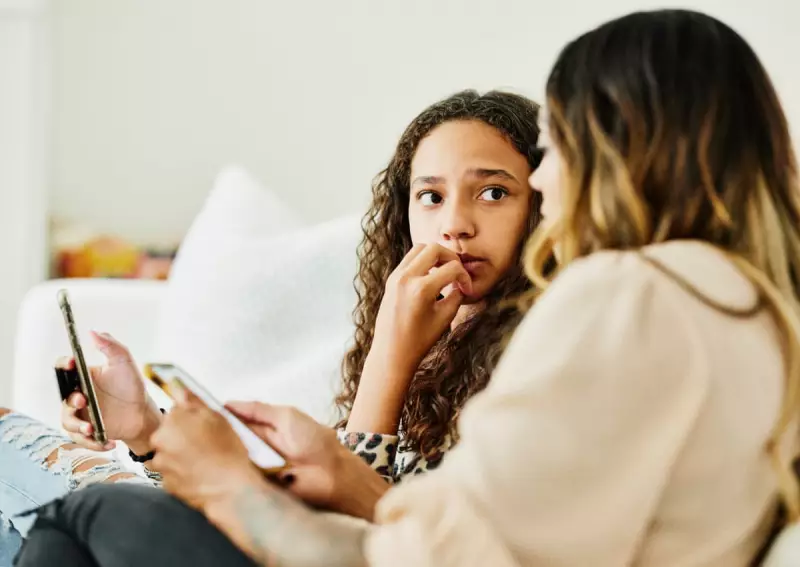
The proposal by Conservative minister Kemi Badenoch to ban under-16s from social media platforms has ignited a fierce debate about child safety, corporate responsibility, and the toxic nature of the online world. While the instinct to protect young minds from documented harms is understandable, many argue the policy dangerously misdiagnoses the problem.
The Undeniable Harms Facing Young Users
The case for intervention is stark. Since the tragic death of 14-year-old Molly Russell in 2017, linked to suicide and self-harm content online, the damaging effects of social media on youth mental health have been widely recognised yet inadequately tackled. Many platforms are engineered to exploit adolescent psychology, spurring anxiety, self-doubt, and a relentless focus on body image through a life lived in selfies.
Features like location services allow real-time exclusion anxiety, while the pressure to maintain 'streaks' of communication can torch friendships over a slow reply. The recent revelation that AI tools like Grok can generate sexualised images of children underscores a regulatory landscape failing to keep pace with technological threats.
Why Banning Teens is Not the Answer
Critics, including Guardian columnist Zoe Williams, point to two fundamental flaws in Badenoch's approach. First, it absurdly places the burden of solving a corporate-created crisis onto the individual child or parent. If a platform profits by promoting radical misogyny or self-harm methodologies, it is not a 12-year-old's responsibility to fix this by abandoning their phone.
Demanding parental controls and screen limits asks families to fill a moral void created by late-capitalist tech giants focused solely on shareholder returns. Government action is needed, but it must target the source: the platforms' business models and algorithms, not their youngest users.
The Older Generations Fuelling the Toxicity
Secondly, the debate becomes perverse when it focuses solely on the young. The most prolific spreaders of misinformation and conspiracy theories online are often not teenagers. An analysis of data from Amnesty and others, cited by Williams, named prominent UK-based super-spreaders including Nigel Farage, Laurence Fox, Julia Hartley-Brewer, and Katie Hopkins.
None are under 16; they are Gen X miscreants and boomers whose content pollutes the informational ecosystem for everyone. Any effective strategy for online safety must reckon with how these older, influential figures manipulate and are manipulated by the same networks.
The asymmetry is glaring: society panics over a nine-year-old walking to school, yet allows tech firms with a proven record of causing emotional distress unfettered access to children's bedrooms. A ban on under-16s is a tempting soundbite, but it risks being another 'second-order issue' that distracts from holding both corporations and adult bad actors accountable for the digital world they have created.