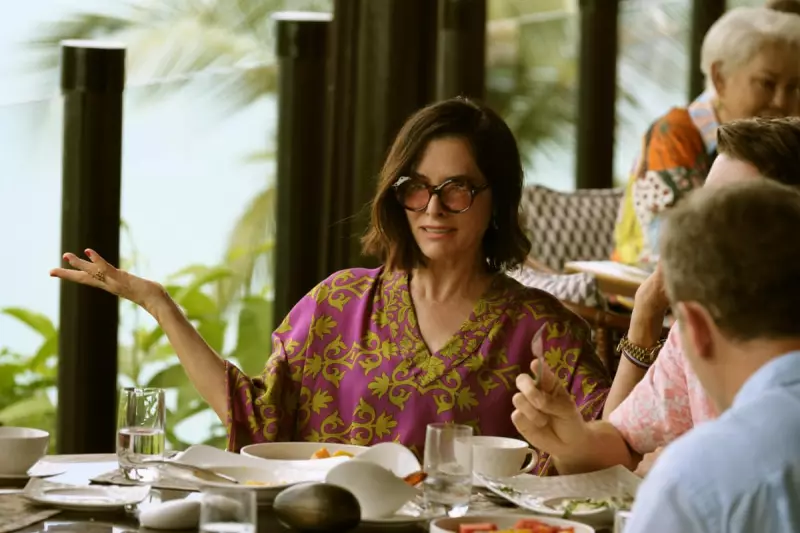
New research has revealed a startling connection between television drama and public health concerns, with internet searches for the anti-anxiety medication lorazepam surging dramatically following its appearance in the hit series The White Lotus.
Data scientists documented a 40% increase in searches for the benzodiazepine drug in the days after the show's third season episodes aired, highlighting the powerful influence entertainment media can wield over health-related behaviours.
The Data Behind the Disturbing Trend
According to findings published in a leading medical journal, the spike in lorazepam queries was both immediate and substantial. Analysis of search engine data from multiple countries showed this concerning pattern emerging within 24 hours of relevant episodes being broadcast.
The research team, led by Dr John Brownstein from Boston Children's Hospital, monitored search volumes for various prescription medications mentioned in popular media. Lorazepam stood out with the most pronounced increase, far exceeding typical search patterns for the drug.
Dr Brownstein expressed significant concern about these findings, noting that such media depictions often lack crucial context about the potential dangers of these medications. "When television shows feature drugs like lorazepam without showing the risks, it can normalise their use," he explained.
Understanding the Risks of Benzodiazepines
Lorazepam belongs to the benzodiazepine class of drugs, commonly prescribed for anxiety disorders and sleep problems. However, medical professionals consistently warn about their potential for dependence and misuse.
These medications work by enhancing the effect of a neurotransmitter called GABA in the brain, producing calming effects. While effective for short-term use, long-term benzodiazepine use can lead to physical dependence and withdrawal symptoms that are sometimes severe.
The UK's National Health Service guidelines recommend benzodiazepines only for short-term treatment, typically two to four weeks, due to these risks. The Medicines and Healthcare products Regulatory Agency has repeatedly emphasised the importance of careful prescribing practices.
Professor David Healy, a psychiatrist from Bangor University, commented that "the glamorisation of prescription drugs in media creates unrealistic expectations about their effects and safety." He stressed that these are potent medications requiring proper medical supervision.
Broader Implications for Public Health
This isn't the first time researchers have observed this phenomenon. Previous studies have documented similar search spikes following celebrity disclosures about medication use or after drugs appear in other popular television shows and films.
The pattern raises important questions about the responsibility of content creators and the need for better public education about prescription drug safety. Entertainment industries increasingly face calls to include appropriate warnings when depicting medication use.
Public health experts suggest several measures to address this issue, including improved media literacy education and clearer guidelines for content creators. Some advocate for collaboration between entertainment industries and medical professionals to ensure accurate depictions of medication use.
Organisations like the Royal College of Psychiatrists have begun developing resources to help journalists and content creators responsibly portray mental health treatments. "We need to balance creative freedom with public health considerations," a spokesperson noted.
For individuals concerned about anxiety or sleep issues, medical professionals recommend consulting with healthcare providers rather than self-medicating. The NHS provides numerous resources for managing these conditions through both medication and therapeutic approaches.