Victoria Invests $26.7 Million in Groundbreaking Youth Mental Health Service
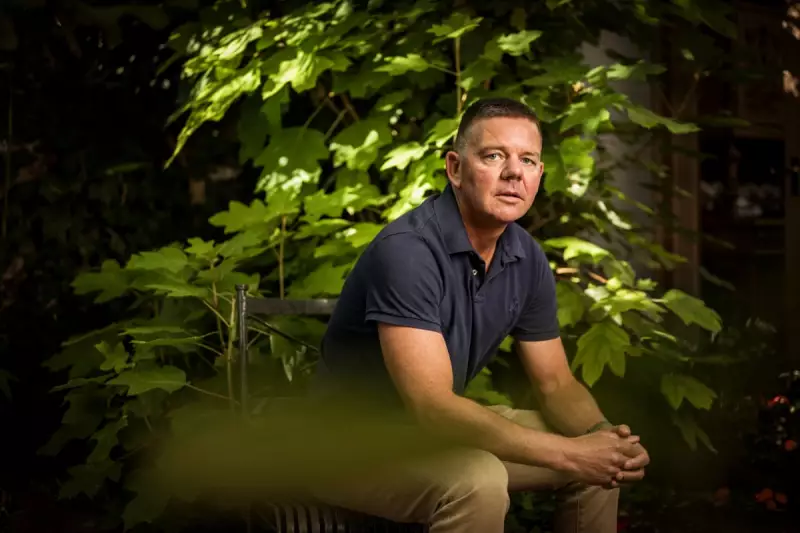
The Victorian government has announced a substantial $26.7 million funding package for the community forensic youth mental health service, led by renowned forensic psychiatrist Dr Adam Deacon. This significant investment aims to expand early intervention programs designed to address the complex underlying causes of youth offending behaviour across the state.
Understanding the Child Behind the Behaviour
Dr Deacon, with nearly two decades of experience in Victoria's youth justice system, emphasises that most young offenders come from backgrounds marked by disadvantage, trauma, abuse, or neglect. Many have experienced unstable housing, family criminality, substance abuse issues, or parental loss. "When you know their origins, you wonder how they've survived in life at all," Deacon observes, highlighting the profound challenges these young people face before ever encountering the justice system.
The psychiatrist describes typical scenarios where vulnerable children, often struggling with school and social isolation, experience what he terms "sliding door moments" – seemingly minor decisions that lead to serious criminal consequences. These moments have been exacerbated by recent societal pressures, particularly Melbourne's prolonged COVID-19 lockdowns, which left many disadvantaged youth without educational access or support structures.
Rising Concerns About Neurodiversity and Organised Crime
Deacon reports an increasing trend where children presenting with offending behaviours have underlying neurological conditions. "More and more children have autism or ADHD," he notes, often undiagnosed until they enter intervention programs or custody. These neurodiverse young people were disproportionately affected by lockdown disruptions to routines and support services.
Another growing concern is the recruitment of vulnerable youth into organised crime networks. Deacon explains that children are being "lured or actively recruited" through mobile communication, sometimes receiving substantial payments for criminal activities like car theft or arson. This represents a significant shift from patterns observed a decade ago, facilitated by technology that enables criminal organisations to easily connect with at-risk youth.
Government Response to Youth Crime Concerns
The funding announcement comes amid ongoing political debates about Victoria's youth crime rates. Opposition parties have described the situation as a "youth crime crisis," while the government has implemented various legislative responses including tighter bail conditions and controversial "adult time for violent crime" provisions that allow children to face adult courts for serious offences.
Police statistics indicate particular concerns about repeat offenders aged 12 to 17, with a small cohort of approximately 1,176 young people accounting for thousands of arrests. Children are reportedly responsible for the majority of certain serious crimes including robberies, carjackings, and home invasions across the state.
Expanding Early Intervention Through New Funding
The $26.7 million allocation forms part of a broader $33 million package for youth early-intervention and community safety programs under the Violence Reduction Unit initiative. This funding will enable Deacon's service to reach children at earlier stages and accept referrals from additional sources including child protection agencies.
A new pilot program will specifically target children in years 5 to 7 who display concerning behaviours, aiming to identify and support at-risk youth before problematic patterns become entrenched. Mental Health Minister Ingrid Stitt stated that the investment would provide young people with "earlier access to the right supports" to keep them "on the right track for a bright future."
A Compassionate Approach to Complex Challenges
Deacon acknowledges the real harm suffered by victims of youth crime while advocating for understanding rather than simplistic condemnation. "It's easier and convenient to adopt a polarised position around children who engage in these behaviours and to brand them as 'bad children,'" he reflects. Instead, he urges consideration of the underlying causes that drive offending behaviour.
The forensic psychiatrist emphasises that while custody has a role in community protection, young offenders shouldn't be treated as if they "don't exist." By addressing trauma, neurological conditions, educational gaps, and social vulnerabilities through early intervention, Deacon believes society can break cycles of disadvantage and offending that otherwise perpetuate across generations.
This substantial funding commitment represents a significant step toward implementing Deacon's vision of understanding "the child behind the behaviour" – an approach that recognises the complex interplay of factors contributing to youth offending while maintaining accountability and community safety as paramount concerns.