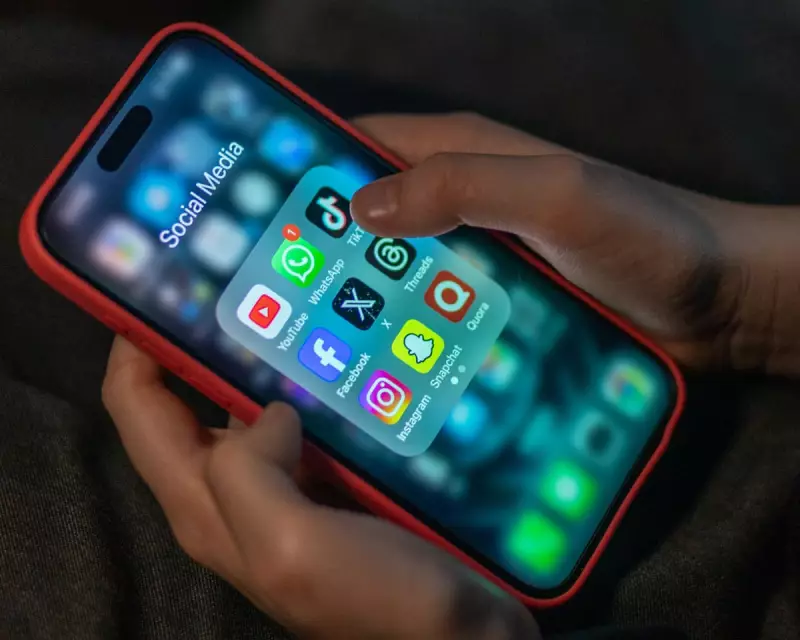
A groundbreaking UK study is set to investigate the effects of restricting social media access for children, as global debates intensify over the potential harms of online platforms. This trial will involve 4,000 pupils from 30 secondary schools in Bradford, focusing on students in years 8, 9, and 10, to assess impacts on mental health, sleep patterns, and time spent with friends and family.
Study Design and Methodology
Led by Professor Amy Orben from the University of Cambridge, the study, known as the IRL trial, aims to provide large-scale experimental evidence on social media restrictions. Participants will complete initial questionnaires covering mental health, sleep, and friendships, and download a research app on their primary devices.
Randomised Conditions
Each year group in the schools will be randomly assigned to one of two conditions. In the first, the app will merely record social media usage. In the second, it will limit access to platforms such as TikTok, Instagram, Facebook, X, LinkedIn, Reddit, YouTube, and Snapchat to one hour per day, with a curfew from 9pm to 7am. Crucially, all pupils within a specific year group will experience the same intervention to account for peer effects.
Professor Orben emphasised the importance of this approach, noting that individual restrictions might differ in impact compared to group-wide changes. Messaging apps like WhatsApp will remain unrestricted due to their role in family communication.
Timeline and Expected Outcomes
After a six-week period, students will complete follow-up questionnaires. The study is scheduled to begin with a pilot in April, followed by the main phase in October, with initial results anticipated by summer 2027. Key outcomes include anxiety and depression levels, with additional analysis on app usage patterns, sleep, bullying experiences, and social comparisons.
Political Context and Legislative Efforts
This research emerges amid political pressure for social media bans. In December, Australia became the first country to prohibit under-16s from social media, prompting similar discussions in the UK. The House of Lords is preparing to vote on an amendment by John Nash to the children's wellbeing and schools bill, which proposes an outright ban on social media for children.
Nash has urged peers to support the amendment, warning of a societal catastrophe without swift action. Meanwhile, Technology Secretary Liz Kendall has reassured MPs that a government consultation will conclude within months, with a firm position expected by summer.
Limitations and Broader Implications
The study acknowledges limitations, such as potential non-participation or use of alternative devices. However, researchers hope the findings will inform policy decisions globally. Dr Dan Lewer, co-lead from the Bradford Centre for Health Data Science, highlighted the focus on anxiety and depression as primary metrics.
Professor Orben clarified that the trial is independent of the government's consultation but may provide valuable evidence for policymakers debating age restrictions. She stated that the goal is to deliver high-quality evidence to support informed decisions on this critical issue.