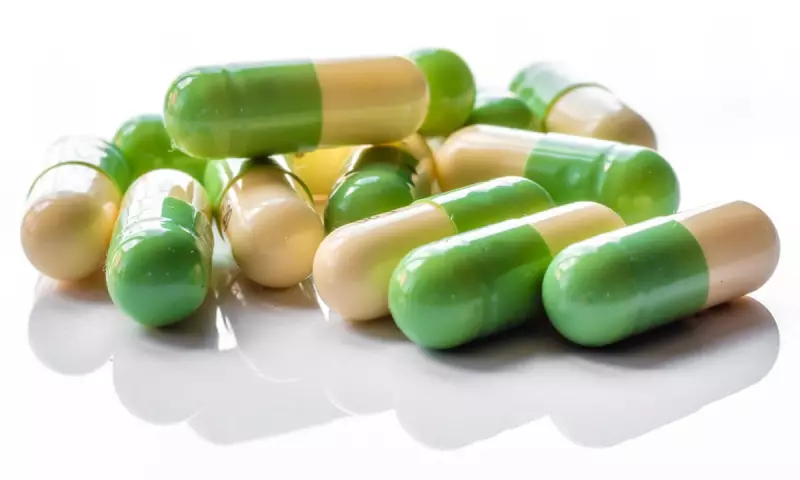
The Alarming Rise of Antidepressant Content on Social Media
Antidepressants have become unexpectedly fashionable on TikTok, creating what mental health experts describe as a dangerous double-edged sword. While reducing stigma around mental health treatment represents progress, the platform's transformation of serious medications into trending topics raises significant concerns.
According to data analysed by the Wall Street Journal, content related to antidepressants has recently exploded across the social media platform. The hashtag #antidepressants has surpassed 1.3 billion views, while searches for #lexapro have more than tripled since 2022. Even more strikingly, user shares per video tagged #ssri nearly quadrupled between 2022 and 2025.
Influencers and the Normalisation of Prescription Medication
Millennial and Gen Z women have built micro-communities around medication-focused hashtags like #lexaprotok, #zoloftgang and #livelaughlexapro. These digital spaces often feature influencers promoting antidepressants to their followers, sometimes without adequate medical context or warnings about potential side effects.
A 2023 study revealed that many "patient influencers" maintain close links to drug manufacturers, with some failing to disclose these relationships while promoting medications. Although influencers paid to tout antidepressants generally use hashtags like #ad to disclose company relationships, they frequently gloss over significant side effects and risks.
The Perfect Storm: Profit, Access and Rising Mental Health Concerns
This concerning trend emerges against a backdrop of climbing anxiety and depression rates among young people. Research published in the journal Pediatrics shows the monthly rate of antidepressants dispensed to young people rose 66% from January 2016 to December 2022.
The situation is exacerbated by America's uniquely profit-driven healthcare system. The United States remains one of only two countries worldwide that permits pharmaceutical companies to advertise prescription drugs directly to consumers. Big Pharma invests billions annually in these advertisements, creating what critics describe as a "perfect storm" when combined with easy access through telehealth services.
One telehealth company paying influencers to advertise on TikTok defended the practice, stating they were "proud that these efforts have helped people connect with qualified clinicians and get the care they need."
Beyond the Hashtags: The Reality of Antidepressant Use
As Guardian US columnist Tayo Bero notes from her personal experience as a Black woman who has taken antidepressants for years, actual antidepressant use can be "messy, stressful, confusing and seemingly interminable." The experience often includes challenging withdrawal symptoms that rarely feature in upbeat social media posts.
Bero emphasises that antidepressant use is not the kind of experience that vulnerable young people should be socially coerced into, particularly through what she describes as "the machinations of capitalist vultures." Young people require substantially more support and information than a two-minute TikTok video can provide when making decisions about mental health treatment.
While improved accessibility to mental health services remains crucial, handling antidepressant treatment like a QVC advertisement represents undeniably irresponsible practice. The journey from taboo topic to wellness trend has swung the pendulum too far in the opposite direction, potentially launching young women into dangerous territory regarding their health.