
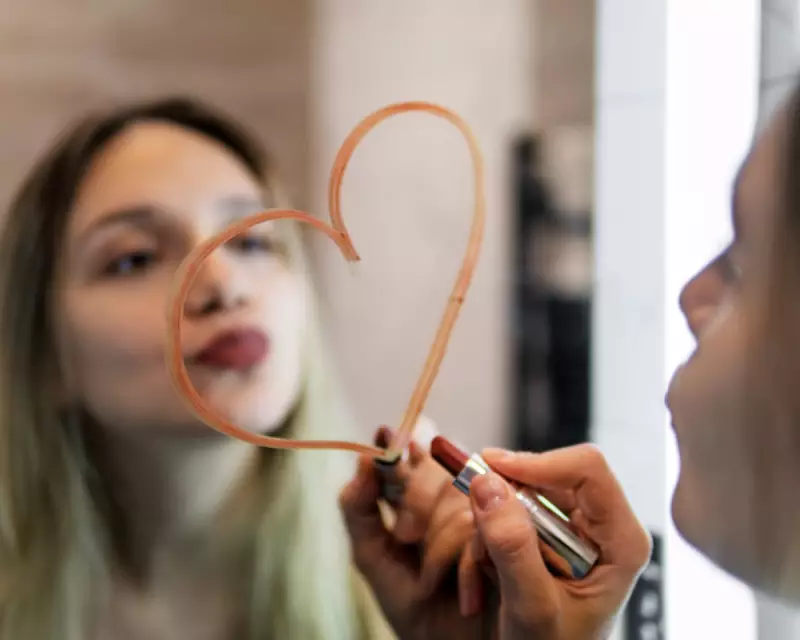
When Stylist magazine asked over 400 women to name their favourite thing about themselves, the results were both heartwarming and revealing. The publication dedicated eight pages to women's answers, which ranged from practical skills like "I can cook something out of nothing" to physical attributes like "I've got an excellent bum." Yet according to Guardian columnist Emma Beddington, reading these affirmations felt strangely uncomfortable - almost shocking.
The Culture of Toxic Humility
Many British women experience what Beddington describes as "toxic humility" - a deep-seated discomfort with self-praise that borders on masochistic. "I get a masochistic buzz from self-deprecation," she admits, noting how she maintains a "shopping list of things I hate about myself" that she revisits during sleepless nights.
This phenomenon isn't merely individual psychology but reflects broader cultural conditioning. Across Britain and similar societies, being "modest" and "humble" represents unequivocal virtues, while being "full of yourself" ranks among the most unseemly characteristics. Britain takes paradoxical pride in its collective self-effacement, creating an environment where self-praise feels transgressive.
Other cultures exhibit similar patterns. Scandinavia operates under the "law of Jante," which expresses social disapproval toward those who consider themselves special. Ireland has the easily weaponised concept of "notions" for people getting above their station.
The Braggarts and The Balanced
Of course, the pendulum swings both ways. Modern professional platforms like LinkedIn have created spaces for what Beddington calls "LinkedIn braggarts." A recent study found that exaggerating accomplishments on the networking platform can effectively mask professional incompetence.
High-profile examples abound, from Donald Trump claiming he deserves the Nobel Peace Prize to everyday encounters with people who describe themselves as "very empathetic" while displaying "the compassion of Caligula."
Yet the opposite approach also proves winning. Claudia Winkleman consistently describes herself as "an orange muppet" who only gets work because of her distinctive fringe - and the British public adores her for it. This suggests that self-deprecation remains a powerful social currency in UK culture.
The Science of Self-Affirmation
Despite cultural resistance to self-praise, scientific evidence strongly supports its benefits. A meta-study published in October reviewed 129 papers on self-affirmation - the practice of reflecting on your values and positive traits. The research found that self-affirmation produces positive effects on wellbeing and self-worth that last approximately two weeks.
"Telling ourselves we're good makes us feel good," notes Beddington, though she questions whether this makes humans simple or bizarrely complex creatures. The demonstrated benefits suggest more people should practice self-affirmation, despite the cultural discomfort.
Building what Beddington reluctantly calls "self-love muscles" might require starting small and gradually increasing comfort with self-acknowledgement. She leads by example: "I'm pretty good at meeting deadlines." This modest beginning represents a step toward countering generations of cultural programming that treats self-praise as indulgence rather than psychological necessity.




