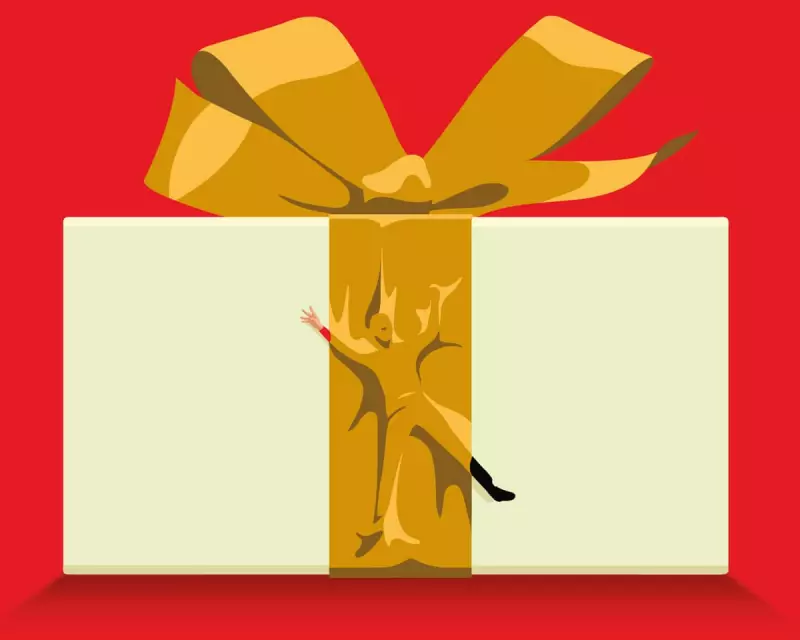
The Gratitude Paradox: More Than Just Positive Thinking
Gratitude has become ubiquitous in modern wellness culture. You'll find the word emblazoned on mugs, motivational posters, and mental health leaflets across the UK. This trend stems from over two decades of research in positive psychology, which has demonstrated that maintaining a regular gratitude practice - typically writing down three to five things you're thankful for each day - can deliver significant psychological and physical benefits.
Even sceptical minds have been won over by the simple act of counting blessings, whether it's appreciating a beautiful sunset or acknowledging a neighbour's kindness. The practice costs nothing and offers an attractively straightforward path to feeling more cheerful and connected. However, in our enthusiasm to embrace gratitude as a universal remedy, we risk overlooking its complexity and potential drawbacks.
The Psychological Complexity Behind Thankfulness
Modern positive psychology typically defines gratitude as a purely positive emotion - a spontaneous feeling of joyful appreciation. Yet back in 1923, Harvard psychologist William McDougall recognised gratitude as far more psychologically complex, particularly when directed toward another person rather than abstract experiences like being "grateful to be alive."
McDougall identified that alongside feelings of awe and tenderness toward benefactors, gratitude often contains subtle undercurrents of envy, embarrassment, and what he termed "negative self-feeling" - what we'd now recognise as low self-esteem. The Japanese expression arigata-meiwaku (literally "annoying thanks") perfectly captures this dynamic, describing the uncomfortable obligation to express gratitude for unwanted favours due to social convention.
The discomfort arises because gratitude inherently disrupts power balances. The benefactor occupies the superior position, bathed in the glow of generosity, while the recipient stands below, metaphorically doffing their cap in acknowledgement of their debt.
When Gratitude Reinforces Unhealthy Power Dynamics
As #feelingblessed becomes a performative social norm, understanding gratitude's potential to obligate, diminish or confuse becomes increasingly important, particularly in how it reinforces societal hierarchies.
One heartbreaking historical example involves 13-year-old orphan Eyo Ekpenyon Eyo II, who in 1893 travelled from British-occupied West Africa to attend a missionary school in Colwyn Bay, Wales. Within six months, Eyo wrote to his patron begging to return home, sick from the cold weather and fearing for his life - a reasonable concern given three West African pupils had already died at the school.
When British newspapers discovered Eyo's story, they launched a vicious campaign labelling him "spoilt" and "ungrateful," their language dripping with colonial assumptions about who should feel grateful to whom.
This "politics of gratitude" persists today. Author Dina Nayeri describes in The Ungrateful Refugee how as a child refugee from Iran, she was expected to feel "so lucky, so humbled" to be in the United States. She later understood how this expectation transformed her human right to refuge into a gift that demanded repayment through submission and silence - becoming the "good immigrant" who stays in her lane.
This connection between power and demanded gratitude extends throughout modern life. When high-power individuals feel insecure - such as when their failings are pointed out - they often berate subordinates for ingratitude. This dynamic was evident when Donald Trump and JD Vance criticised Volodymyr Zelenskyy for insufficient gratitude, echoing similar demands from former UK defence secretary Ben Wallace in 2023.
The Documented Dangers of Compulsory Thankfulness
Psychologists now recognise what they term the "dark side" of gratitude. Beyond the risk of "toxic positivity" - where painful feelings are ignored or repressed - gratitude presents other documented dangers.
Research shows people are more likely to transgress moral codes on behalf of someone they feel grateful toward. Members of historically marginalised groups, including women and LGBTQ+ people, become less likely to complain about unfair treatment when reminded how fortunate they are compared to previous generations.
Most alarmingly, studies with women in abusive relationships demonstrate that when gaslit into believing they cannot survive without their abuser, gratitude creates feelings of obligation that prevent them from leaving. This raises the question: should all those motivational gratitude posters and mugs come with health warnings?
Finding Balance in Our Thankfulness
Despite these complexities, we needn't discard gratitude entirely. Current research reminds us that, like all emotions, feeling grateful is neither wholly good nor bad. Too little gratitude risks entitlement and alienation of those trying to help us, while excessive gratitude may leave us vulnerable to exploitation by amplifying others' power over us.
Context remains crucial, and several strategies can help mitigate risks. Focusing on circumstances rather than individuals - feeling grateful for something rather than to someone - can sidestep power issues. When bosses, parents, or partners demand more gratitude than feels appropriate, questioning why can reveal important dynamics.
What our hierarchical world might label ungrateful behaviour could actually represent self-preservation or political defiance, echoing Malcolm X's powerful question: "How can you thank a man for giving you what's already yours?"
Sometimes gratitude needs an expiration date. Artist Brian Lobel, who experienced cancer as a young person and now creates rituals for others moving into post-cancer life, observes that "for all we feel thankful, sometimes we have to release ourselves from the burden, to move on with our lives."
Gratitude matters, but recognising its limits matters equally. The healthiest approach acknowledges both the light and shadow sides of thankfulness, using this powerful emotion wisely rather than blindly following wellness trends.