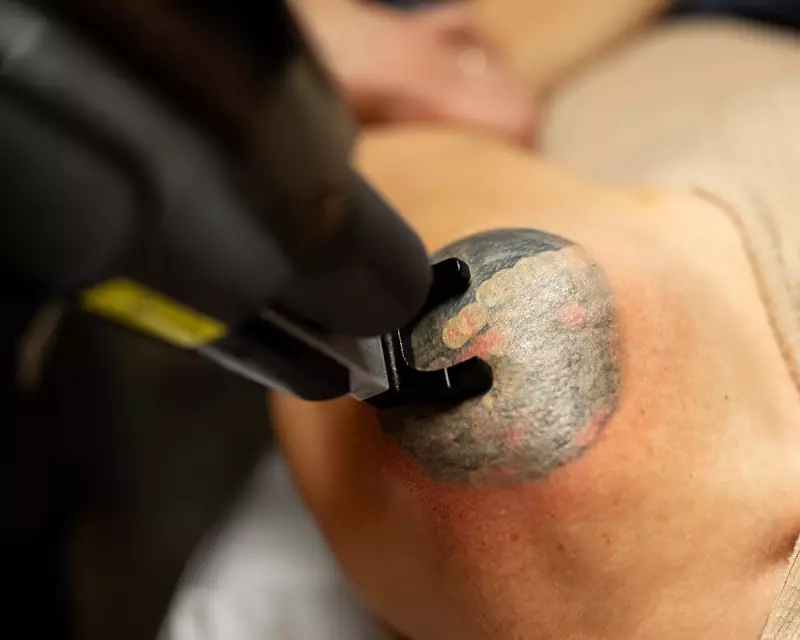
From Regret to Renewal: The Rising Demand for Tattoo Removal
Australia's tattoo removal industry has experienced remarkable growth, almost tripling in size in recent years as more people seek to erase permanent reminders of painful pasts. While many removals still involve ex-partners' names or outdated designs, clinics are reporting increasing numbers of people wanting to remove Nazi symbols, gang signs, racist messages and marks of abuse.
Fresh Start Programs Changing Lives
Amanda McKinnon, director of removal service LaserTat, noticed clients sharing powerful stories but often struggling to afford the expensive laser treatments. This inspired the creation of their Fresh Start program, providing free removals for those who need them most. "I would feel like 'this person absolutely needs tattoo removal for them to move forward with their life'," McKinnon explains.
The program has helped numerous individuals, including a young migrant woman who had been branded with a number marking her as someone's property. "We were able to remove that tattoo for her, so it's not a reminder of her past experience," McKinnon says. She emphasises that not having to look at the same painful reminder daily can be life-changing for survivors.
Beyond Aesthetics: Removing Symbols of Hate and Abuse
Removery, another removal service, has treated more than 300 tattoos through its philanthropic Ink-nitiative project. Jules Van de Leur, people director for Removery's Australian branches, says the program was "developed as an opportunity to give back to people that want to change their lives." They work with former prisoners, gang members, sex trafficking survivors and domestic violence victims who no longer identify with their tattoos' statements.
Mike Anderson, founder of Think Again Tattoo Removal, offers free removals for racist or hate-based tattoos through his Chance for Change program. While acknowledging some applicants might still hold problematic views but want to avoid judgment, Anderson focuses on the next generation. "We're targeting the next generation because it normalises it," he states, noting he sees far more swastika tattoos than most people would imagine.
The removal process itself is extensive, requiring up to 12 painful laser treatments for complete removal, depending on the tattoo's age and ink used. Fewer sessions are needed for "fades" that will be covered with new tattoos. Despite the physical discomfort, for many like Robyn, a survivor of domestic violence and white supremacism who shared her story on Removery's website, the pain is worth the freedom from shame. "I just really felt like I had to get them off me," she says, describing how she gets all nine tattoos treated in single sessions without breaks.