
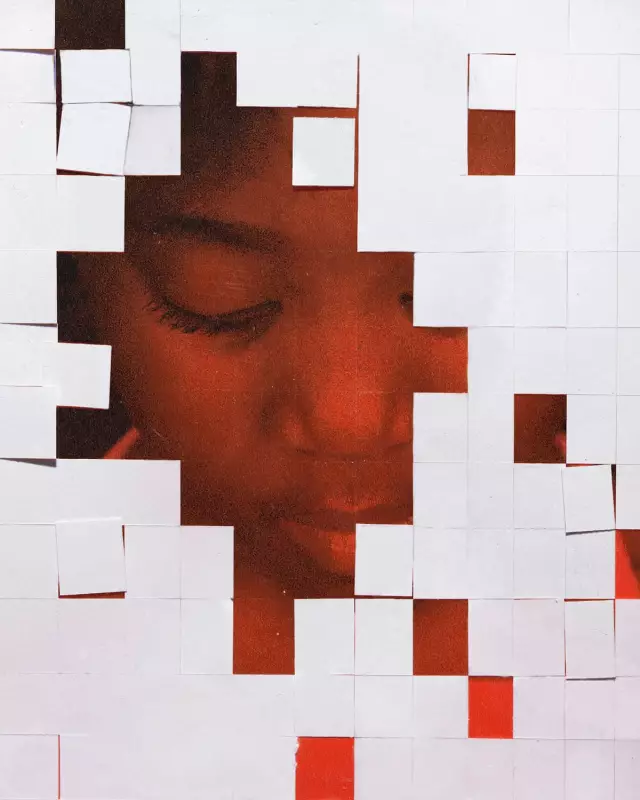
Beauty filters on social media platforms may seem like innocent fun, but new evidence reveals they are contributing to a silent mental health crisis among Black teenagers in Britain and beyond. A landmark study has uncovered that daily encounters with racial bias online, including from artificial intelligence, are having tangible negative effects on young people's wellbeing.
The Daily Toll of Digital Racism
Researchers discovered that Black adolescents face an alarming frequency of race-related online experiences, with an average of six incidents every single day. The study, published in the prestigious JAMA Network, breaks this down further: 3.2 of these daily encounters involve direct online racism, while 2.8 represent positive experiences related to race.
The investigation was led by Professor Brendesha Tynes from the University of Southern California, working alongside Associate Professor Devin English of Rutgers University and Assistant Professor Taylor McGee from Christopher Newport University. Their team analysed comprehensive survey data collected from 141 Black adolescents aged between 11 and 19 from across the United States.
How Filters and Algorithms Cause Harm
The research highlights particular concern around algorithmic bias, which participants reported encountering approximately once every three days. This includes social media filters that automatically lighten skin tones, straighten hair to appear more European, or create smaller, more Eurocentric facial features.
"We expected each of the three types of online racism to be associated with the next day's depressive and anxiety symptoms," Professor Tynes told The Guardian. "But I was still surprised that the algorithmic bias items were associated with mental health. It was the first time we were actually measuring it."
The study measured mental health impacts through specific questions about trouble falling asleep, difficulty concentrating on schoolwork, and general anxiety levels. The findings were clear: youth exposed to algorithmic bias showed increased depressive and anxious symptoms the following day.
Beyond Mental Health: Real World Consequences
The implications extend far beyond temporary distress. Professor Tynes points to the tragic 2015 Charleston church shooting, where the perpetrator's online searches for "Black on white crime" led him to white supremacist content through algorithmic recommendations.
"Instead of him getting, at the time, the Justice Department's actual facts on crime and who's committing it," Tynes explained, "he got these biased white supremacist results, and then that fueled his desire to commit a massacre."
With online hate speech increasing and diversity initiatives facing political pressure, the researchers emphasise the urgent need for intervention. Participants experienced an average of 22 racist incidents weekly, compared to 19.6 positive experiences.
"Given what we found in this study, it's very very concerning," said Professor English. "Companies will not regulate themselves on this and that's the role of the government to step in. We haven't seen any federal level legislation to protect young people from the harms of social media and the harms of AI."
Professor Tynes hopes states will "create policies that specifically will protect young people of color from these experiences" in the absence of federal action.
Building Digital Resilience
Looking forward, the research team plans to develop tools to help young people navigate these challenges. Professor Tynes is working with colleagues at USC and the University of Maryland to create a platform offering virtual reality experiences, digital literacy training, and mental health resources.
This initiative, scheduled to launch next spring, aims to teach youth how to "critique, counter and cope with the messages that they get online." The platform will include modules showing how racism enters digital spaces and strategies to resist it.
The researchers also plan to extend their study period beyond one week and explore how cultural pride and resilience might help adolescents withstand online racism. Professor Tynes wants to investigate "how young people are using their creativity, the skills they got from being told about their group's history, and how their parents instill pride."
She suggests that comprehensive Black history education in schools might provide students with the knowledge and confidence needed to "help people protect themselves, critique the messages, and place them in historical context so that they don't have the impact that they have."




