London Student Told 'Not to Worry' After Seizure Diagnosed with Rare Brain Tumour
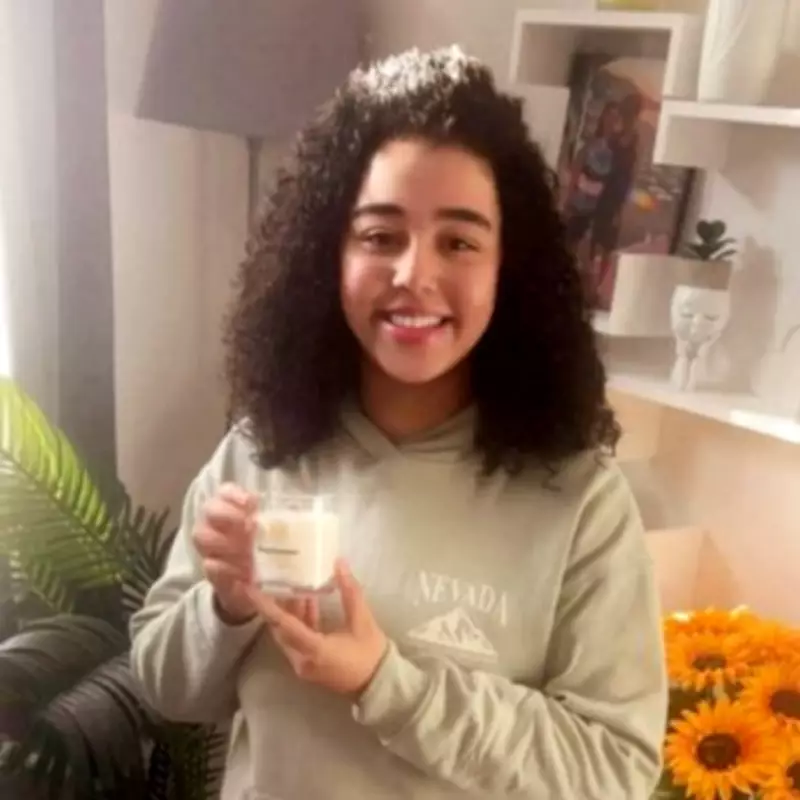
A South London teenager who was initially reassured that her seizure was caused by dehydration later discovered she had a rare, low-grade brain tumour the size of a pebble. Shannon Graham, 19, a forensic science student at London South Bank University from Dulwich, received a diagnosis of dysembryoplastic neuroepithelial tumour (DNET) in January 2024.
Just one month earlier, Shannon experienced her first seizure. A nurse told her not to worry and attributed it to dehydration. However, weeks later, she suffered a second seizure during which she bit her tongue. This led to another hospital visit and an MRI scan, which uncovered a small tumour on her frontal lobe.
Shannon admitted the diagnosis sent her down a bad rabbit hole, triggering depression. She underwent surgery to remove the tumour in September 2025 and returned to university just weeks later. She is now free from seizures and undergoes annual MRI check-ups.
Initial Seizure and Misdiagnosis
Recalling the first incident, Shannon said: 'When I woke up, my whole family was around me and dad told me I'd had a seizure. I've never had any seizures, so I was 100 per cent scared and I had no idea what was going on.' She added: 'A nurse told me I might have been dehydrated and not to worry. I went home and everything was fine; I didn't have any headaches or anything.'
Then, a few weeks later, she had a second seizure as she was drifting off to sleep. This one was worse because she bit her tongue. She went back to hospital and had an MRI scan. This time, doctors told her there was a problem: a small tumour on her frontal lobe, on the surface of her brain, described as hovering like a little pebble on the sand.
Diagnosis and Emotional Toll
Shannon said: 'I didn't know what a brain tumour was – this was when my depression started and I spiralled down into a really bad rabbit hole.' Following her diagnosis, she was prescribed anti-seizure medication and underwent monthly MRI scans in the lead-up to her operation on 8 September 2025.
She explained: 'The doctors didn't know what was going on, and they found it quite bizarre that no one in my family has epilepsy because my seizures were so intense and violent where I sometimes punched my parents. I just had appointment after appointment and therapy sessions because I was so depressed.'
Surgery and Recovery
Shannon added: 'I had eight months of being looked at and analysed – I hated it because I'm not a fan of hospitals. Fortunately, the operation went smoothly, and they managed to remove the whole tumour. The minute I saw my mum, I gave her a massive hug because I had been so worried that something would go wrong in theatre.'
Just three weeks post-surgery, Shannon was back at university and is now approaching the end of her first year. She undergoes annual MRI check-ups which have remained consistently stable, and she is no longer affected by seizures.
Fundraising for Brain Tumour Research
Now, Shannon is taking part in the 200k in May Your Way challenge for Brain Tumour Research. Participants cover the distance however they choose – walking, running, cycling or swimming – while raising crucial funds for research into the illness.
She said: 'This cause is so close to my heart and it's vital that research into brain tumours is properly funded. They are not given as much government funding as other cancers, so I want to do my bit to help. Brain tumours kill more children and adults under the age of 40 than any other cancer, so I want to do my bit by taking on this challenge.'
Charlie Allsebrook, community fundraising manager at Brain Tumour Research, said: 'Shannon's story is truly inspiring and it's great to see how well she is doing. We are incredibly grateful to her for taking on this challenge to help shine a light on the devastating impact of brain tumours and the urgent need for increased research funding.'