
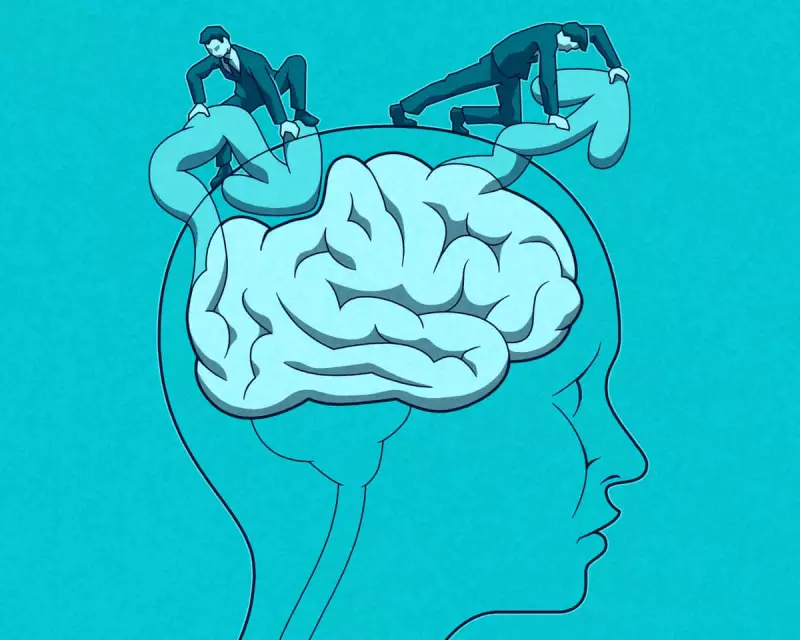
Health Secretary Wes Streeting has ignited a contentious debate by announcing an independent review into the diagnosis of mental health conditions, autism, and ADHD. The move, framed by some media outlets as an investigation into potential 'overdiagnosis', has drawn criticism from those who fear it could undermine progress in understanding neurodivergence.
The Review's Contentious Framework
While the official terms of reference mention a focus on 'prevalence, drivers, early intervention and treatment', the review's political undertones are hard to ignore. Its remit controversially blends questions about mental illnesses like anxiety and depression with neurodevelopmental conditions such as autism and ADHD. This approach echoes rhetoric from figures like Reform UK's Richard Tice, who has controversially questioned support for children with special educational needs.
The language used is telling. Mentions of 'economic inactivity' and 'medicalisation' suggest a potential prelude to renewed welfare reform, worrying advocates who see diagnosis as a gateway to vital support, not a label of incapacity.
Why Diagnoses Are Rising: A Complex Reality
The answers to why diagnosis rates are increasing may be more straightforward than the review implies. Rising cases of anxiety and depression are linked to a highly competitive education system, precarious work models, and the lingering aftermath of the pandemic.
For ADHD and autism, the rise reflects evolving knowledge, not a societal ailment. Official estimates suggest 2.5 million people in England are affected by ADHD, yet only around 800,000 have a formal diagnosis. Autism diagnoses have expanded since the 1980s with the understanding of the spectrum, and more recently, with better recognition of how it presents in women and girls.
Increased awareness, largely driven by the internet, has empowered individuals to seek understanding and stop enduring a lifetime of misunderstanding. A diagnosis can be the key to a more settled and fulfilling life.
The Danger of the 'Overdiagnosis' Narrative
At its core, the 'overdiagnosis' argument, championed in books like Dr Suzanne O'Sullivan's 'The Age Of Diagnosis', suggests labels can be harmful. It risks telling people, particularly those deemed 'mild' cases, to simply be more resilient.
This perspective is challenged by the lived experience of many. Autism, for instance, often reflects familial traits, offering retrospective clarity on a relative's 'eccentricity' or struggles in a less informed era. Without a diagnosis, how can education, workplaces, and support services be tailored to help people thrive?
The real question, critics argue, is not whether we are diagnosing too much, but why our institutions of work, education, and care remain so ill-equipped to support the diverse minds we now better understand. In a climate of strained public spending, the convenient solution is to question the need rather than address the systemic failure to meet it.
As the review begins its work, many will watch closely to see if it focuses on improving support or becomes a vehicle for rolling back hard-won progress in recognising neurodiversity.




