
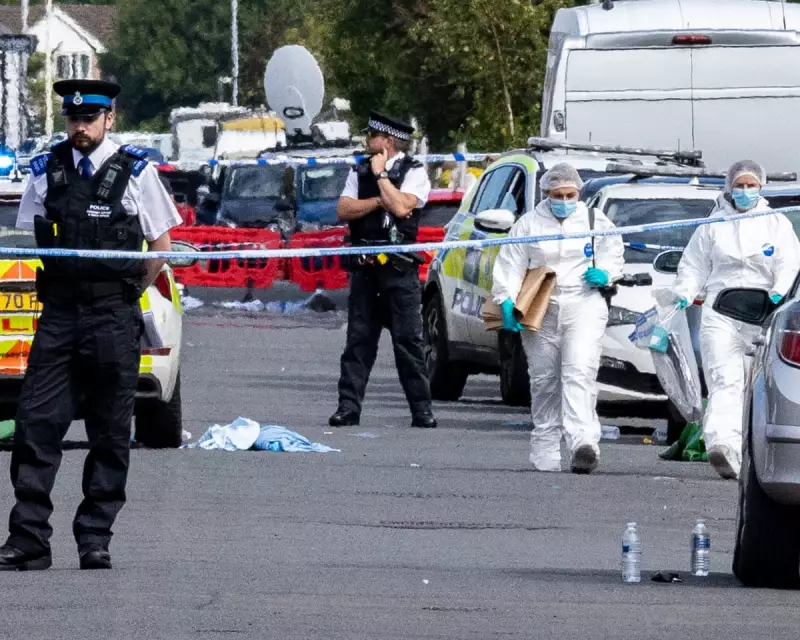
Systemic Failures Behind Southport Tragedy Exposed
Nine weeks of compelling evidence presented to a public inquiry has revealed how multiple systemic failures allowed 17-year-old Axel Rudakubana to carry out his deadly knife attack in Southport on 29 July 2024, murdering three young girls in what the inquiry chair described as a preventable catastrophe.
Parental Knowledge and Inaction
The inquiry heard astonishing testimony from Rudakubana's father, Alphonse, who admitted knowing his son had amassed an arsenal of weapons including knives, a bow and arrow, and even a jerry can. Despite fearing his son was planning an attack, the 50-year-old refugee from the Rwanda genocide took no action, terrified that authorities would take his son away.
Just seven days before the attack, Alphonse prevented his son from taking a taxi to his former school while carrying a knife, and was even asked to buy petrol for the jerry can. The parents confessed they knew an attack was imminent yet failed to alert police or any agencies, with Alphonse admitting this had catastrophic consequences for which I am desperately sorry.
Technology Companies' Role
Evidence revealed how technology platforms facilitated Rudakubana's descent into violence. Six minutes before leaving home for his lethal attack, he searched X (formerly Twitter) for footage of the Sydney church stabbing. The platform's head of global government affairs, Deanna Romina Khananisho, told the inquiry that removing such horrific material constituted tyrannical overreach rather than justice.
Amazon sold Rudakubana the 20cm knife used in the attack for £8.39 just two weeks earlier. His search history included axes, secateurs and bill hook knives, with subsequent purchases of smoke grenades, sledgehammers and equipment to make the poison ricin. Amazon executive John Boumphrey admitted the company could analyse suspicious purchases but typically wouldn't, conceding that age verification had been too easy to bypass.
Systemic Breakdown Across Agencies
Inquiry chair Adrian Fulford described the atrocity as a case of wholesale failure by multiple institutions. The teenager had been known to authorities since 2019 when, aged 13, he was permanently excluded from The Range school after admitting taking a knife to attack a bully. PC Alex McNamee's assessment at the time proved prescient, warning of potential for huge escalation and high risk.
Critical failures identified included:
- 77-week delay in autism diagnosis preventing proper forensic risk assessment
- Multiple missed opportunities for Mental Health Act assessment
- Poor information sharing between agencies
- Three Prevent referrals closed without proper escalation
The anti-radicalisation programme Prevent received three referrals for Rudakubana between December 2019 and April 2021, but all were closed. Officials admitted this was a mistake, acknowledging that a third referral should automatically have triggered further action.
Legal Gaps and Future Recommendations
The inquiry examined significant gaps in legislation, noting that while the Terrorism Act criminalises withholding knowledge of planned terrorist acts, no equivalent exists for non-ideological attacks. Fulford is considering whether the state needs new powers to restrict individuals when strong evidence suggests they intend violence without sufficient grounds for arrest.
Prime Minister Keir Starmer has stated nothing is off the table to prevent repeats of the 29 July tragedy. The inquiry's final recommendations are expected by spring, potentially triggering significant reforms in how authorities handle high-risk individuals.
As the parents of nine-year-old victim Alice da Silva Aguiar stated: This tragedy was not inevitable. It was the result of neglect – neglect by those who should have known better and by a system that repeatedly ignored warning signs. The deaths of Bebe King, six, Alice da Silva Aguiar, nine, and Elsie Dot Stancombe, seven, have exposed critical vulnerabilities in Britain's safeguarding systems that must now be addressed.




