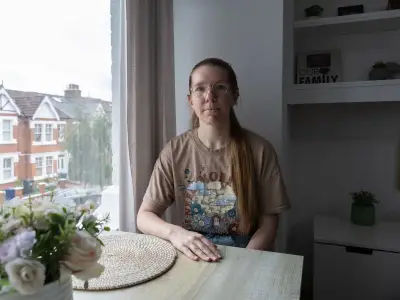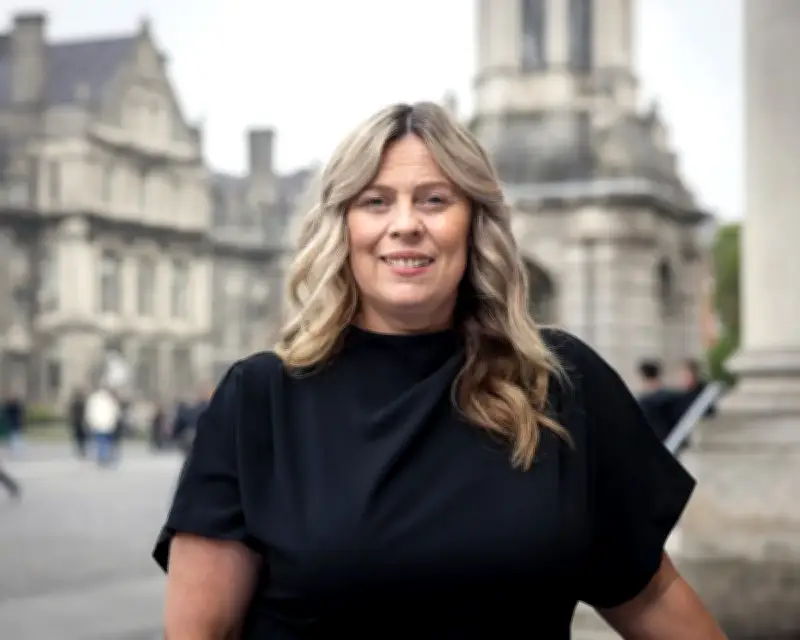
Sarah Schofield, a mental health support worker with over 20 years of experience in a primary school, has publicly endorsed Katriona O'Sullivan's memoir Poor, describing it as a crucial read for all school staff. In a letter to the Guardian, Schofield highlighted how the book powerfully illustrates the ongoing and pervasive nature of poverty, challenging the notion that it is a problem of the past.
A Story That Resonates Deeply
Schofield's response was prompted by Adrian Chiles's emotional reaction to the memoir on live television, where he was moved to tears. She echoed his sentiment, stating that her heart 'both sobbed and cheered' for O'Sullivan's younger self and the accomplished woman she has become. The book's linear narrative and cultural references might initially suggest a classic 'rags-to-riches' story, but Schofield emphasizes that the epilogue is the defining section, making clear that poverty is a 'story of then and now'.
Every day, countless children like the young Katriona enter schools 'with pissy pants and empty bellies', their nervous systems on high alert in a state of fight, flight, or freeze. For these children, school is not a place to thrive but merely to survive. Schofield, who provides mental health support to vulnerable children and their families, knows this firsthand from her two decades in the education system.
The Role of Schools in Addressing Poverty
Schofield clarifies that her role is not to educate but to help children feel seen, heard, cared for, and valued. A significant part of her work involves reducing the stigma attached to poverty—the misconception that having less means being less. Reading Poor reinforced for her the vastness and complexity of poverty as an issue that can feel 'too big' to tackle. However, she argues that this should not prevent individuals from treating others with dignity, respect, and kindness.
She urges everyone to notice when someone is struggling, hungry, dirty, or alone, and to offer a supportive hand. Schofield dismisses any suggestion that this approach is overly optimistic or 'Pollyanna-ish', instead finding it 'heart-warming and affirming' to read about the lasting, positive impact that certain school staff had on O'Sullivan's life.
A Call to Action for Educators
As schools prepare to reopen in September, Schofield has announced that her copy of Poor will be available in the staffroom. She believes that anyone working in a school—or indeed anyone at all—should read it to better understand the realities of poverty and the critical role that educators can play in supporting affected children.
The letter underscores a growing recognition of the intersection between poverty and education, and the need for schools to be equipped to address the socio-economic challenges that students bring with them to the classroom.