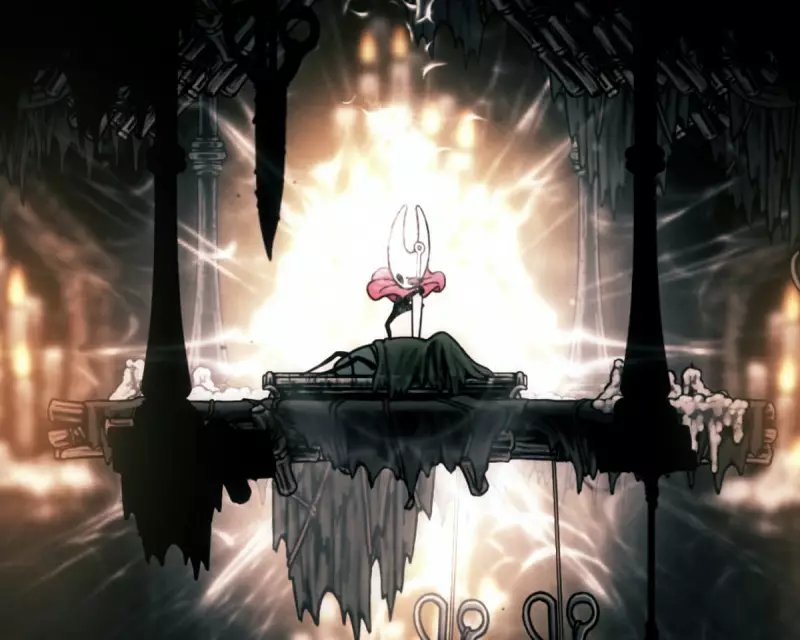
When the long-awaited video game Hollow Knight: Silksong finally launched in the summer of 2025, I faced a painful paradox. As a dedicated fan of the original, I had anticipated this release for years. Yet, a debilitating physical condition meant I didn't know if I would be able to play it at all. Could a famously challenging game teach me anything new about enduring suffering?
A Personal Battle with Nerve Pain
My own struggle began in March of last year. I developed excruciating, burning pain in my right arm and shoulder, a constant agony that made even simple tasks like typing or holding a controller unbearable. Sleep became elusive, and my mental wellbeing frayed under the relentless discomfort.
After months, a neurologist diagnosed brachial neuritis, an inflammation of the nerve pathway from neck to hand. The prognosis was a mixed blessing: while I would likely recover function over one to three years, there was little to be done about the pain in the interim. Traditional medications were ineffective, and nerve-pain drugs came with intolerable side-effects. I had to learn to live with it, to let my nervous system 'unlearn' the pain, a process demanding immense patience.
Pharloom: A Digital Pilgrimage of Suffering
Into this reality dropped Silksong, the sequel to 2017's beloved Hollow Knight, developed by the Australian studio Team Cherry. The game casts players as Hornet, a masked spider-warrior, on a perilous ascent through the fallen bug kingdom of Pharloom. Its world is a stunning, haunting tapestry of luminescent caverns, desolate wastelands, and corrupted temples, all leading to a fabled Citadel.
The journey is a deliberate echo of Dante's ascent from hell to heaven. Yet, in a profound twist, Silksong subverts this narrative. The promised paradise of the Citadel is itself ruined, revealing the pilgrims' suffering to be ultimately pointless. This bleak revelation resonated deeply. The game's inhabitants, their minds poisoned by a divine silk, accept their fate with blank despair, a haunting reflection of how chronic pain can enforce a grim resignation.
Learning to Play, and Live, Slowly
My physical state forced a radical change in how I engaged with the game. Where I might have rushed through it in weeks, I now played in short, 20 to 40-minute sessions over four months. The high-stress frustration of repeated boss deaths or the adrenaline spike of victory were triggers I had to avoid. This enforced slowness transformed Pharloom from a mere game into a parallel world I inhabited in my mind during rest periods, puzzling over its mysteries and lore.
I confronted the game's sadistic challenges, like the frenetic Cogwork Dancers or the fetid nightmare of Bilewater, not with brute force but with gradual, persistent effort. In a life now defined by involuntary suffering, choosing to endure the game's controlled hardship offered a strange sense of agency. Giving up was never an option, but not out of stubbornness alone.
When Game Logic Fails: The Unconquerable Nature of Pain
Video games, especially difficult ones, preach a gospel of tenacity: persist, learn, and you will overcome. This logic is useless against nerve pain. No amount of skill or determination speeds healing. The bullheaded resilience I'd learned from games and applied to other life goals was entirely counterproductive here.
Instead, playing Silksong in tandem with learning about modern pain science taught me a different lesson. True overcoming meant acknowledging my limits, modifying my activity, and proceeding without guilt. Pain is a danger signal; fighting it only amplifies the alarm. By listening and adapting—playing slowly, stopping when needed—I could continue living and, crucially, keep playing.
After four months and roughly 40 hours, I neared the end of my journey in Pharloom, still locked in a final boss battle that had persisted since before Christmas. While I'd hoped for a neat, symbolic victory by year's end, the real lesson was messier and more valuable. Silksong helped me see that suffering doesn't require a redemptive point. The narrative isn't about triumph, but about finding a way through. You can learn to work around it, to make your pilgrimage at your own pace, and in doing so, you keep moving forward.